


Trump takes aim at EV push, pledges freedom of choice for American car buyers
Trump argues that EV shift could reshape auto workforce, as electric vehicles require fewer workers to build than conventional cars
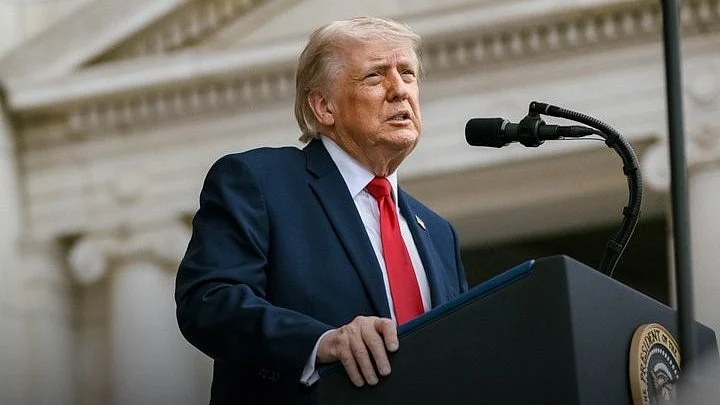


US President Donald Trump has reignited his campaign against aggressive electric vehicle policies, telling auto workers in Michigan that Americans should have the freedom to choose between electric cars and traditional gasoline-powered vehicles.
Speaking during a visit to the General Motors Milford Proving Ground, Trump declared that his administration had dismantled what he called the previous government’s “unrealistic” electric vehicle agenda, arguing that the rules imposed under former president Joe Biden threatened the future of America’s iconic automobile industry.
“On day one, I ended Biden's insane electric vehicle mandate that would have crushed the US auto industry forever,” Trump said, framing the policy reversal as a move to protect manufacturing jobs and preserve consumer choice.
Trump argued that the rapid shift toward electric vehicles could reshape the auto workforce, noting that EV production generally requires fewer workers compared with conventional vehicles. Addressing Mary Barra, who was present during the event, Trump said electric cars may be part of the future but insisted buyers should not be pushed away from internal-combustion vehicles.
“If you want an electric car, they make electric cars too. But if you want to buy a combustion vehicle, if you want to buy anything you want, they make,” Trump said, emphasizing his vision of a market driven by consumer demand rather than government mandates.
The president also announced the rollback of Biden-era Corporate Average Fuel Economy (CAFE) standards, claiming the stricter fuel-efficiency requirements would have placed an unbearable burden on automakers and accelerated the decline of gasoline-powered engines.
Trump linked his automobile strategy to a broader economic message centered on domestic manufacturing. He highlighted tariffs on imported vehicles and trucks, saying the measures were designed to encourage companies to build factories and expand production inside the United States.
Praising General Motors for boosting domestic investment, Trump said the company had increased production of trucks and sport utility vehicles and committed billions of dollars toward bringing manufacturing capacity back to American soil.
“They're coming back home because, frankly, when they build here, there's no tariff,” he said.
Trump also promoted a tax deduction on interest paid on auto loans, though he said the benefit would be limited to vehicles manufactured in the United States — another move aimed at strengthening domestic production.
The policy shift marks a sharp departure from the Biden administration’s approach, which sought to accelerate the transition toward cleaner transportation through stricter emissions and efficiency rules. While those policies did not directly require every new vehicle sold to be electric, they were designed to push automakers toward a larger share of electric and low-emission models.
The reversal of US EV policy could ripple across the global automotive landscape, influencing investment decisions by manufacturers, battery suppliers and technology companies worldwide. For countries such as India, where firms are increasingly linked to global auto supply chains, changes in American climate and trade policies could shape future strategies around electric mobility, exports and manufacturing.
With IANS inputs
Join our official telegram channel (@nationalherald) and stay updated with the latest headlines