


Trump’s tariff blitz lands in court as 25 Democratic states cry foul
Lawsuit challenges last month's 10-12.5 per cent tariffs imposed on 60 countries over alleged forced-labour violations
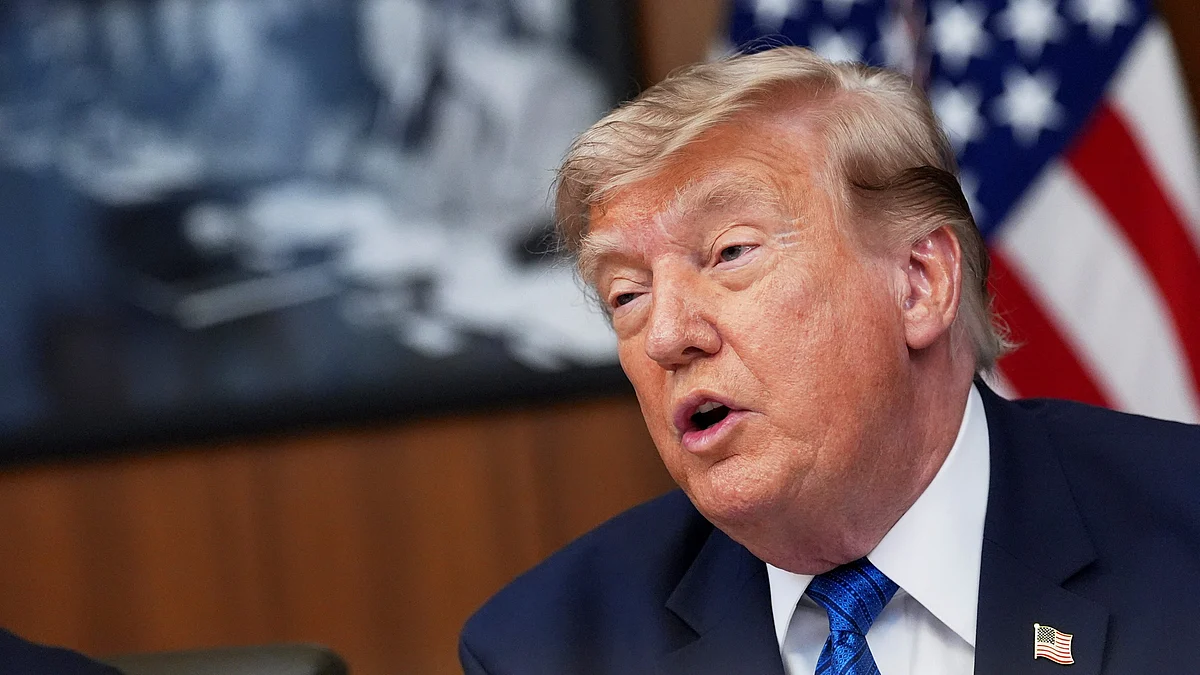


US President Donald Trump’s latest tariff offensive has run into stiff legal resistance, with a coalition of 25 Democratic-led states challenging his administration’s decision to slap import duties on 60 economies, arguing the move is unlawful and will saddle American consumers and businesses with higher costs.
The lawsuit, filed on Monday in the US Court of International Trade, targets a fresh round of tariffs ranging from 10 per cent to 12.5 per cent imposed last month on countries accused by Washington of failing to curb forced labour. The new levies replaced the 10 per cent global tariff regime that expired on 24 July.
Leading the legal challenge are New York attorney general Letitia James and governor Kathy Hochul, backed by attorneys general from 24 other Democratic-ruled states. They are asking the court to strike down the tariffs, contending that the administration has once again overstepped its legal authority after previous setbacks over its trade policies.
"After losing at the Supreme Court, the administration is once again trying to illegally raise taxes on families and businesses with a new round of tariffs," James said, accusing the White House of attempting to revive sweeping trade measures through a different legal route.
India is among the countries affected, though it secured a partial reprieve. While Washington had initially proposed a 12.5 per cent tariff on Indian imports, the rate was lowered to 10 per cent after New Delhi amended its foreign trade policy on 14 June to prohibit imports of goods produced using forced labour.
The Trump administration has invoked Section 301 of the Trade Act of 1974, arguing that the tariffs are aimed at tackling forced labour in global supply chains. But the coalition argues that the justification is merely a pretext for reviving broad-based tariffs that courts have repeatedly questioned.
According to the lawsuit, the administration failed to follow the procedural requirements laid down under Section 301 and imposed the duties without establishing a clear link between the targeted countries and the alleged forced-labour concerns.
"No matter how the administration tries to justify it, the law and our Constitution are clear that the president does not have the power to impose sweeping tariffs on whatever countries he wants," James said.
California attorney general Rob Bonta echoed the criticism, saying tariffs ultimately function as taxes borne by Americans.
"Tariffs are taxes, and the American people cannot and should not shoulder the extra costs that come from the president's failed and illegal economic policy -- no matter how much the president wants them to," Bonta said.
The complaint also questions the coherence of the administration's policy, arguing that the tariff regime contains multiple product exemptions that undercut its stated objective of combating forced labour. It notes that the US investigation identified only three products allegedly linked to forced labour while imposing tariffs on imports from dozens of countries.
The states further allege that the Office of the United States Trade Representative failed to meaningfully consider testimony from affected countries and public comments submitted during what they describe as a rushed consultation process, despite widespread objections that the tariffs would do little to address forced-labour practices while inflicting economic pain at home.
With PTI inputs
Join our official telegram channel (@nationalherald) and stay updated with the latest headlines