


DR Congo’s Ebola toll reaches 1,406 cases, 438 deaths as outbreak intensifies
According to government, 192 patients have recovered, while 609 others remain under treatment or medical care
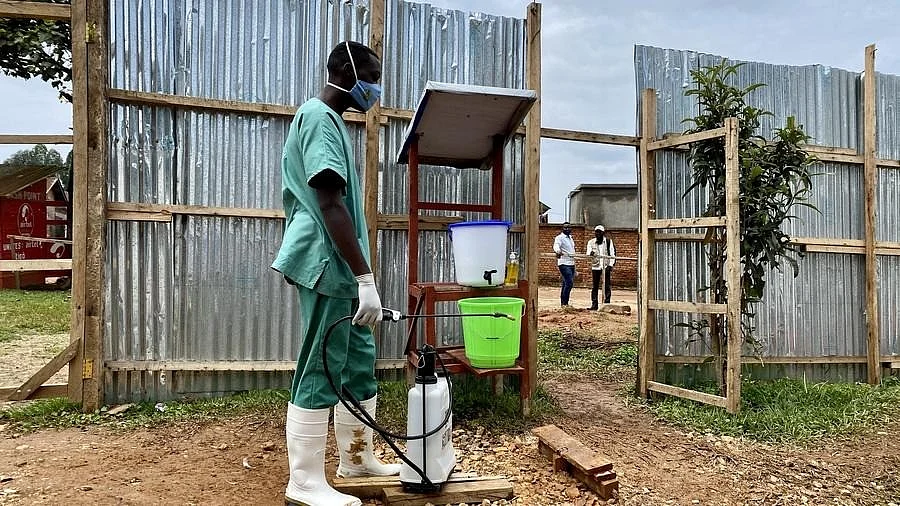


The Democratic Republic of the Congo (DRC) has reported 1,406 confirmed Ebola cases, including 438 deaths, as authorities intensify efforts to contain the deadly outbreak concentrated in the country's eastern provinces.
According to the government, 192 patients have recovered, while 609 others remain under treatment or medical care. Response operations continue in the worst-hit provinces of Ituri, North Kivu and South Kivu, where surveillance and case management have been stepped up.
To strengthen the response, the government said it has deployed additional vehicles and ambulances, increased supplies of medicines and personal protective equipment (PPE), and intensified public awareness campaigns and community mobilisation efforts.
The DRC declared the outbreak in mid-May, and health authorities, alongside international partners, have warned that persistent insecurity, population displacement, pressure on health facilities and incomplete contact tracing continue to hamper containment efforts.
The outbreak, which has also spread to Uganda, involves the Bundibugyo strain of the Ebola virus, for which there is currently no approved vaccine or specific treatment, although several experimental candidates are under evaluation.
The World Health Organization has declared the outbreak a Public Health Emergency of International Concern (PHEIC), citing the complex humanitarian situation, insecurity, and high levels of population movement and cross-border trade that increase the risk of further transmission.
Ebola is a rare but often fatal viral disease that is believed to spread to humans from infected wild animals, such as fruit bats, before transmitting between people through direct contact with infected bodily fluids.
Symptoms typically appear two to 21 days after exposure and include sudden fever, fatigue, muscle pain, severe headache, sore throat, vomiting, diarrhoea, abdominal pain, and, in severe cases, unexplained bleeding or bruising.
Health authorities continue to urge early detection, rapid isolation of patients and strict infection-control measures as they race to contain one of the region's most serious Ebola outbreaks in recent years.
With IANS inputs
Join our official telegram channel (@nationalherald) and stay updated with the latest headlines