


EU to cap Chinese hybrid vehicle imports at 350,000 units per year year
The quota, due to take effect in December under World Trade Organization safeguard rules, aims to curb surging imports and protect European industry
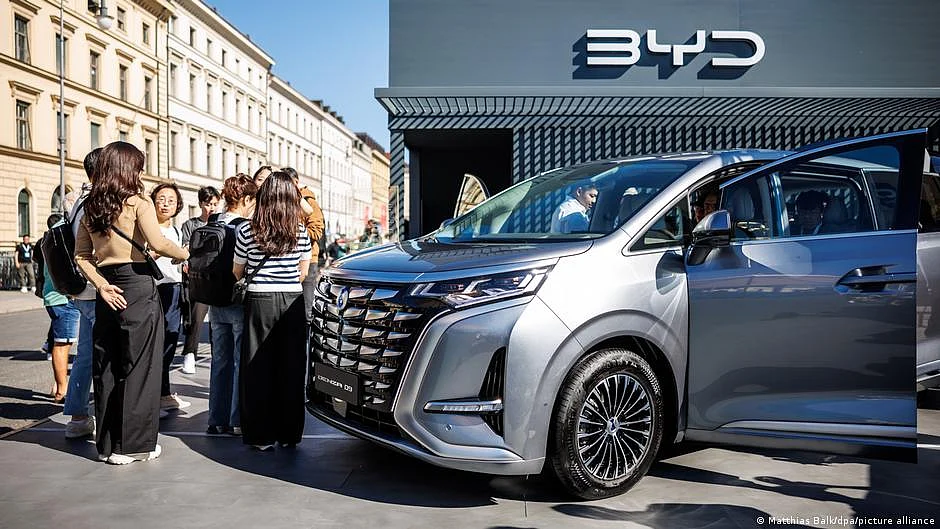


The European Union will limit annual imports of hybrid electric vehicles from China to 350000 cars from December, the European Commission has confirmed, in a move expected to halve China's market share in the segment from six per cent to three per cent.
Imports of battery and plug-in hybrid vehicles from China have surged over the past two years, with about 800000 expected to be sold in the EU this year.
The annual quota will be imposed under World Trade Organization safeguard measures, allowing it to be implemented more quickly than anti-dumping measures, which require investigations.
Vehicles imported beyond the quota will not face additional tariffs but will remain blocked at European ports and customs facilities, officials said.
EU-assembled vehicles exempt
Chinese vehicles assembled within the EU, including those manufactured in Hungary or potentially in Spain in the future, will be exempt from the quota. However, European companies manufacturing cars in China will remain subject to the restrictions.
China's exports of hybrid vehicles to the EU tripled to 6.7 billion euros in the first half of 2026, from 2.2 billion euros in the corresponding period last year, according to Chinese customs data.
The agreement follows a four-year deal reached in Beijing last week. China has also agreed to reduce some tariffs on auto parts and halve duties on European footwear, olive oil and ice cream.
EU officials said China supported the quota and that discussions would continue on other products, including chemicals, renewable energy and furniture.
Trade tensions drive policy shift
The agreement comes amid growing concern in the EU over its trade deficit with China, which has been estimated at about 1 billion pounds a day.
The bloc had previously focused on increasing exports to China to address the imbalance. However, concerns about deindustrialisation and job losses have prompted a greater emphasis on curbing imports.
An EU official said the bloc was closely monitoring imports to identify surges and products posing the greatest risks to European industry.
The EU is also considering measures to diversify corporate supply chains. Proposed “Made in Europe” legislation would seek to strengthen domestic industry through public procurement rules.
EU leaders are due to discuss a French-German proposal on Thursday for a potential “kill switch” mechanism that would allow Brussels to restrict access to the single market for certain goods in response to harmful developments, such as restrictions on rare earth exports that are critical to the technology and automotive sectors.
Andrew Small, director of the Asia programme at the European Council on Foreign Relations, said China could draw the EU into prolonged negotiations over other sectors. He added that the political climate within the bloc had shifted, making it harder to ease tensions through an agreement on hybrid vehicles alone.
Join our official telegram channel (@nationalherald) and stay updated with the latest headlines