


Gap between rich and poor nations growing even wider: UN report
Report flags falling aid, rising tariffs and geopolitical tensions as threats to 2030 development goals
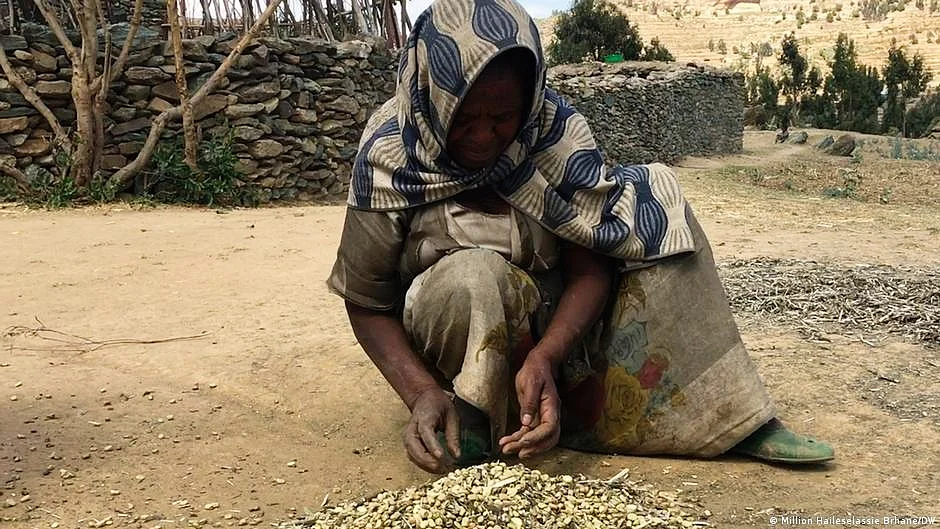


The gap between rich and poor nations is widening as key reforms promised last year, including changes to global financial institutions, remain largely unimplemented, a new UN report has warned.
The assessment reviews progress on the blueprint adopted in Seville, Spain, in June last year, which aimed to reduce inequality between countries and help achieve the UN’s 2030 development goals.
The report was released ahead of next week’s spring meetings in Washington of the International Monetary Fund (IMF) and the World Bank, the two principal global institutions tasked with supporting economic growth and development.
IMF managing director Kristalina Georgieva said the organisation had been preparing measures to boost global growth, but the Iran war has now cast a shadow over the global economic outlook.
Li Junhua, UN under-secretary-general for economic and social affairs, said geopolitical tensions are making it harder for developing countries to secure financing needed for growth and development. “This is an extremely perilous time for international cooperation, as geopolitical considerations are increasingly shaping economic relations and financial policies,” he said.
The report also identified rising trade barriers and repeated climate-related shocks as key factors worsening inequality between nations.
At last year’s conference in Seville, leaders of several countries — though not the United States — unanimously adopted the Seville Commitment, aimed at closing the USD 4 trillion annual financing gap required to meet development goals.
The framework called for increased investment in developing countries and reforms to the global financial architecture, including restructuring the roles of the World Bank and the IMF.
UN secretary-general Antonio Guterres has repeatedly argued that the two institutions require significant reform, stating that the IMF has disproportionately benefited wealthier nations while the World Bank has fallen short of its development mandate, particularly during the Covid-19 pandemic that left many countries heavily indebted.
These concerns reflect broader criticism from developing nations, which have long expressed frustration over the dominance of the United States and its European allies in decision-making at major financial institutions.
According to the UN report, implementation of the Seville Commitment remains “the best hope” for narrowing the widening development financing gap.
However, Li noted that 25 countries reduced development assistance to poorer nations in 2025, resulting in an overall 23 per cent decline compared to 2024 — the steepest annual drop on record. The largest fall, at 59 per cent, came from the United States, he said.
Preliminary estimates indicate a further decline of 5.8 per cent in development assistance in 2026.
The report also flagged tariffs as a major concern for developing economies, including those introduced under the Trump administration. Average tariffs on exports from the world’s poorest countries rose sharply from 9 per cent to 28 per cent in 2025, while tariffs affecting developing countries excluding China increased from 2 per cent to 19 per cent, according to the report.
With AP/PTI inputs
Join our official telegram channel (@nationalherald) and stay updated with the latest headlines