


Indonesia flood death toll exceeds 1,000 as rescue, recovery efforts continue
World Meteorological Organisation warns Asia is warming twice as fast as the global average, spurring extreme weather and major damage
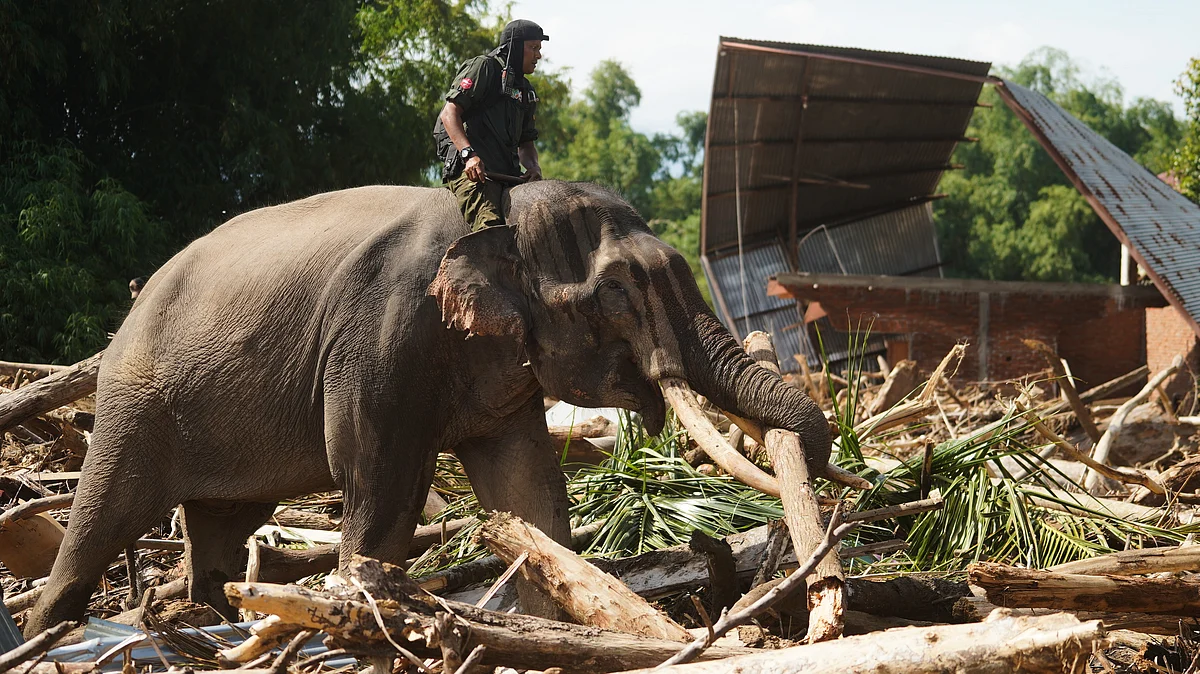


Tragedy has struck Indonesia’s Sumatra Island with devastating force, as floods and landslides across three provinces have claimed over 1,000 lives, with 218 people still missing, according to the latest figures released Saturday by the National Disaster Management Agency (BNPB).
The calamity has left a trail of destruction in its wake, ravaging the island’s infrastructure. BNPB reports detail damage to approximately 1,200 public facilities, alongside 219 health centres, 581 educational institutions, 434 houses of worship, 290 office buildings, and 145 bridges — a stark testament to the scale of the catastrophe.
Abdul Muhari, head of BNPB’s Data and Information Center, described the painstaking process of verifying casualties. At a press conference on Friday, he said officials are meticulously cross-referencing civil records at the sub-district level, confirming victims by name and address, with verification ongoing in several districts, as reported by Xinhua.
Amid the devastation, President Prabowo Subianto visited the disaster-hit regions of Aceh on Friday, pledging that the government remains steadfast in its commitment to meet the urgent needs of affected communities. “Together we will improve this situation. The government will step in and help with everything,” he said, urging citizens to remain resilient and hopeful. He also expressed the wish that community life, including children’s education, can soon resume normalcy.
Earlier this week, Subianto chaired a high-level meeting to coordinate disaster response and recovery. He called for strengthened joint operations involving the military, police, the national search and rescue agency, BNPB, and local governments, emphasising rapid aid delivery, security, and the restoration of connectivity between regions severed by the floods and landslides.
Experts warn that the intensity of such disasters is being amplified by climate change. The World Meteorological Organisation notes that Asia is warming nearly twice as fast as the global average, intensifying extreme weather and wreaking profound damage on regional economies, ecosystems, and communities.
Hijrah Saputra, a disaster management lecturer at Indonesia’s Airlangga University, highlighted systemic gaps that have heightened vulnerability. “Early warning systems have yet to reach remote villages, spatial planning remains inconsistent, and environmental rehabilitation is sporadic,” he said. “If we hope to reduce casualties in the future, resilience must be built through careful spatial planning, watershed ecology, and regionally integrated early warning systems.”
As Sumatra grapples with the aftermath, the scale of loss and the fragility of infrastructure underscore the urgent need for comprehensive disaster preparedness — a clarion call to safeguard lives against nature’s ever-intensifying fury.
With IANS inputs
Join our official telegram channel (@nationalherald) and stay updated with the latest headlines