


Iran digs in over Hormuz as US blockade tightens grip
Declaration comes as Washington maintains that its naval blockade remains active and that the waterway has been cleared of mines
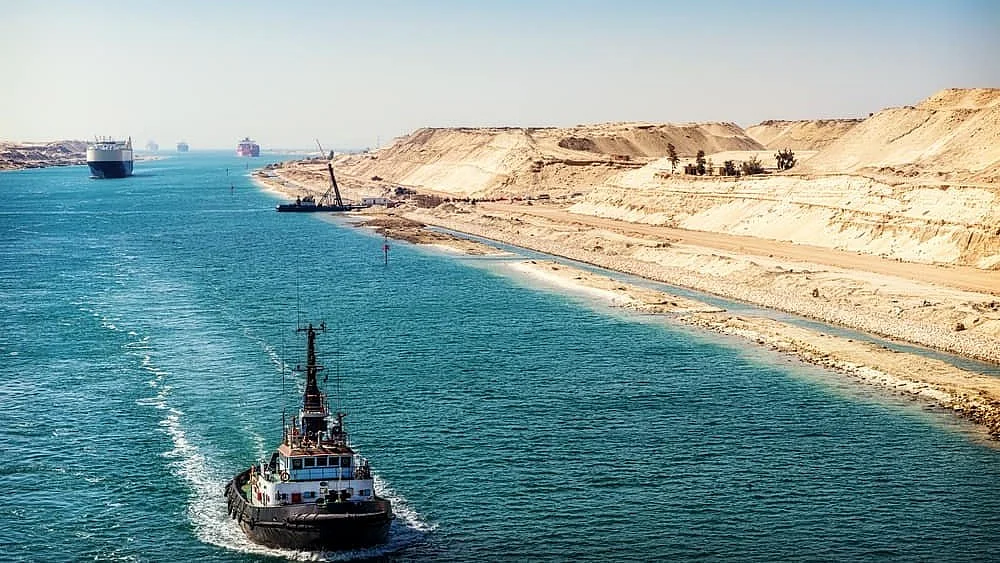


Iran is doubling down on its control over the Strait of Hormuz, with the Islamic Revolutionary Guard Corps (IRGC) insisting that the strategic waterway remains firmly under Iranian control and accusing Washington of making false claims about maritime traffic to influence global energy prices.
The IRGC Navy said on Friday that ships seeking to pass through the strait without Iranian approval would continue to face restrictions. It said the measures would remain until what Tehran describes as US military aggression ends and Washington fulfils its commitments to Iran, the Al Jazeera reported.
The declaration comes as Washington maintains that its naval blockade remains active and that the waterway has been cleared of mines. The conflicting claims underline the deepening standoff over one of the world's most important energy corridors, through which a significant share of global oil and gas supplies normally passes. Recent shipping traffic has remained far below pre-war levels.
For Tehran, however, Hormuz has become more than a maritime chokepoint — it is a crucial lever in its confrontation with Washington. Iranian officials have repeatedly tied any return to normal shipping conditions to the lifting of the US blockade and other demands.
Iran has also kept diplomatic channels open even as the confrontation persists. Qatar has held talks with Tehran aimed at easing tensions and creating conditions for dialogue, while Iran and Oman recently agreed on a temporary shipping corridor.
At home, supreme leader Mojtaba Khamenei has called for national unity and warned against statements that could weaken public morale. His appeal comes as the prolonged conflict, sanctions and disruption to trade weigh heavily on Iran's economy. President Masoud Pezeshkian has said the country's foreign trade has fallen by about 35 per cent, while oil sales and access to international markets remain under pressure.
The economic strain is sharpening the stakes for Tehran. With sanctions tightening and maritime trade disrupted, Iran is attempting to project control over Hormuz while navigating growing pressure on its economy and seeking diplomatic openings without appearing to yield to Washington.
The standoff has also kept global energy markets on edge. Although some oil is again moving through the Gulf, flows remain well below pre-war levels, keeping the possibility of renewed disruption — and another surge in energy prices — firmly on the horizon.
For Iran's leadership, the battle over Hormuz is therefore unfolding on two fronts: maintaining strategic leverage abroad while holding together an economy and a population under mounting pressure at home.
Join our official telegram channel (@nationalherald) and stay updated with the latest headlines