


Iran gets last-minute reprieve as Trump pauses strikes
Iran accuses Washington of escalating tensions and warns that any country aiding US will be "engulfed by the flames of war"
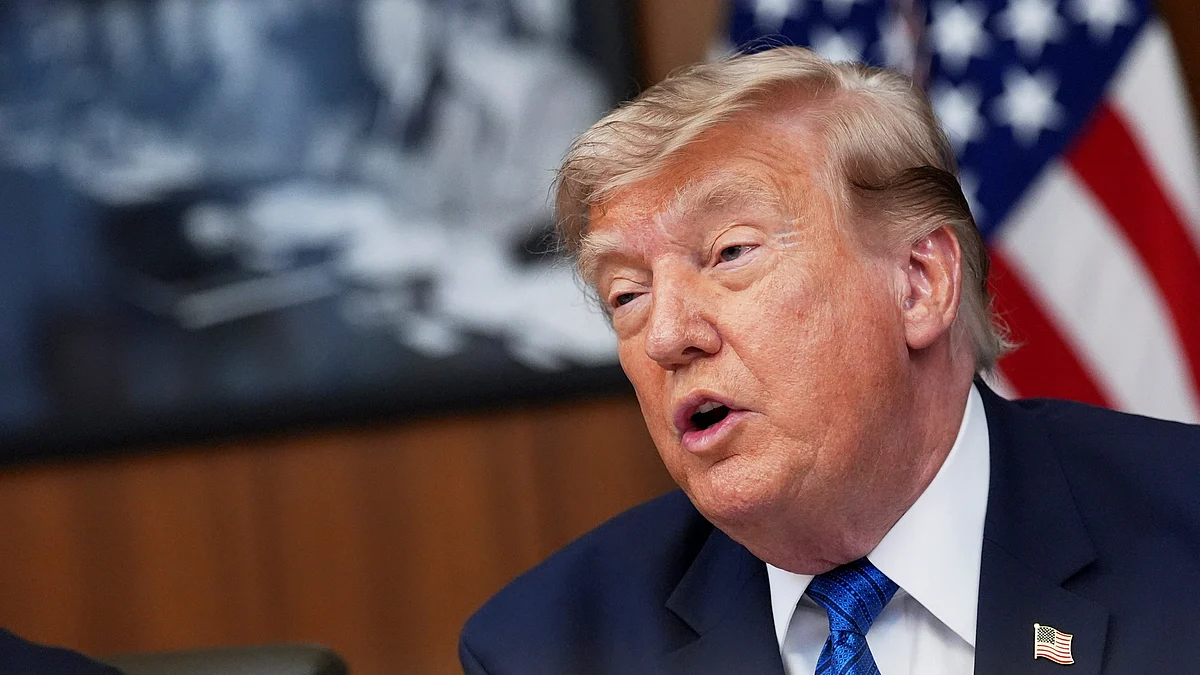


Iran found itself at the centre of another dramatic turn in its standoff with the United States after President Donald Trump claimed he had cancelled a planned wave of military strikes, saying the attacks would remain off the table only if Tehran moved "rapidly" to reach a deal.
In a post on Truth Social, Trump declared that the US had been "locked and loaded" for what he described as an overwhelming military assault, coordinated with Israel, but said he chose to halt the operation after appeals from Iran and several West Asian countries to give diplomacy one final chance.
The proposed agreement, according to Trump, would require Iran to immediately reopen the Strait of Hormuz — one of the world's most vital energy corridors — and eliminate what he called the country's nuclear threat.
The announcement followed reports that Washington and Israel had been preparing one of their most punishing bombing campaigns yet, with energy infrastructure across Iran reportedly among the primary targets. According to CBS News, the plans were discussed during Trump's cabinet meeting on Friday, where he was overheard warning that Iran would be hit "very hard" until it could no longer endure the pressure.
Tehran, however, struck a defiant tone. Iranian officials accused Washington of deliberately pushing the region closer to conflict and warned that any neighbouring country assisting the US would be "engulfed by the flames of war".
The latest confrontation comes after months of intensifying hostilities. A ceasefire reached in April collapsed in June, triggering a fresh cycle of military escalation. Since then, the United States has bombed Iranian sites and tightened its blockade on Iranian ports, while Iran has retaliated with missile and drone attacks on US assets across the West Asia and targeted shipping in the strategically crucial Strait of Hormuz.
Against that volatile backdrop, Washington has also urged Americans across the West Asia to remain on high alert, warning of possible airspace closures, travel disruptions and the risk of further escalation.
For now, the prospect of a devastating new assault has been pushed back. But with diplomacy hanging by a thread and both sides maintaining a war footing, the pause appears less like a breakthrough and more like a fragile intermission in one of the region's most dangerous confrontations.
Join our official telegram channel (@nationalherald) and stay updated with the latest headlines