


Iran holds its ground on Strait of Hormuz as regional tensions flare
Foreign minister Abbas Araghchi says Iran and Oman are nearing a deal on new shipping routes through Hormuz
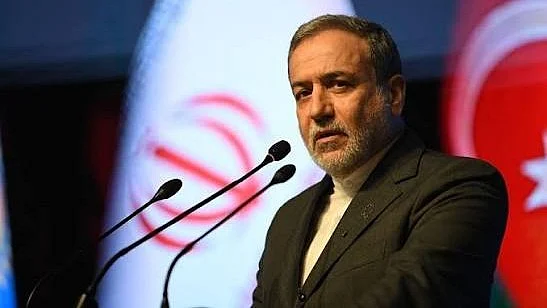


Iran is tightening its grip on the Strait of Hormuz even as diplomatic efforts to ease the standoff with the United States inch forward, leaving one of the world’s most vital waterways at the heart of a widening regional crisis.
Foreign minister Abbas Araghchi says Tehran is continuing to work with Oman on arrangements for shipping through the strait, with an agreement on new maritime routes reportedly nearing completion, the Al Jazeera reported.
However, Iran has made clear that defining the routes will not, by itself, reopen the waterway. Tehran says Washington must first honour the June understanding and meet its demands before normal shipping can resume.
The dispute has turned Hormuz into a powerful lever in the confrontation between Iran and the US. Shipping through the strait remains sharply below normal levels, while competing claims by Tehran and Washington over control of the waterway have added another layer of uncertainty to already fragile ceasefire negotiations.
For Iran, the strait is not merely a maritime passage but a crucial bargaining chip. Tehran has repeatedly linked its reopening to changes in US policy, including concessions connected to sanctions and the June agreement. Washington, meanwhile, has hardened its rhetoric, with President Donald Trump even threatening to declare the waterway US territory.
The pressure is spilling beyond the Gulf. The UAE has accused Iran of attacking one of its vessels operated by the Abu Dhabi National Oil Company while it was transiting Hormuz, an allegation that Tehran has not accepted. The incident has further clouded an already perilous maritime environment.
Against this backdrop, Israel’s renewed strikes in southern Lebanon have added another dangerous thread to the regional crisis. At least 11 people were killed in the attacks, described as the deadliest since the US-brokered June ceasefire, while Israel said it was responding to a Hezbollah attack that wounded three Israeli soldiers.
The United States, meanwhile, is reinforcing its naval presence. The USS George Washington is expected to replace the USS Abraham Lincoln in the region, as Washington maintains a formidable military footprint amid the unresolved confrontation with Tehran.
Iran is also pushing back against Qatar over the fate of three Iranian pilots whose aircraft crashed in the Gulf state. Doha has rejected Tehran’s claim that the pilots are being held captive, calling the allegations misleading.
Taken together, the developments paint a picture of a region balanced precariously between diplomacy and confrontation. For now, Iran appears intent on keeping Hormuz as its strongest card — offering the prospect of restored shipping while making clear that the key to reopening the waterway lies not in Muscat, but in Washington.
With agency inputs
Join our official telegram channel (@nationalherald) and stay updated with the latest headlines