


Iran, Israel trade missiles as tensions surge; Donald Trump urges restraint
US president presses Netanyahu after Iran missile strikes, urges restraint and talks, claiming deal is close
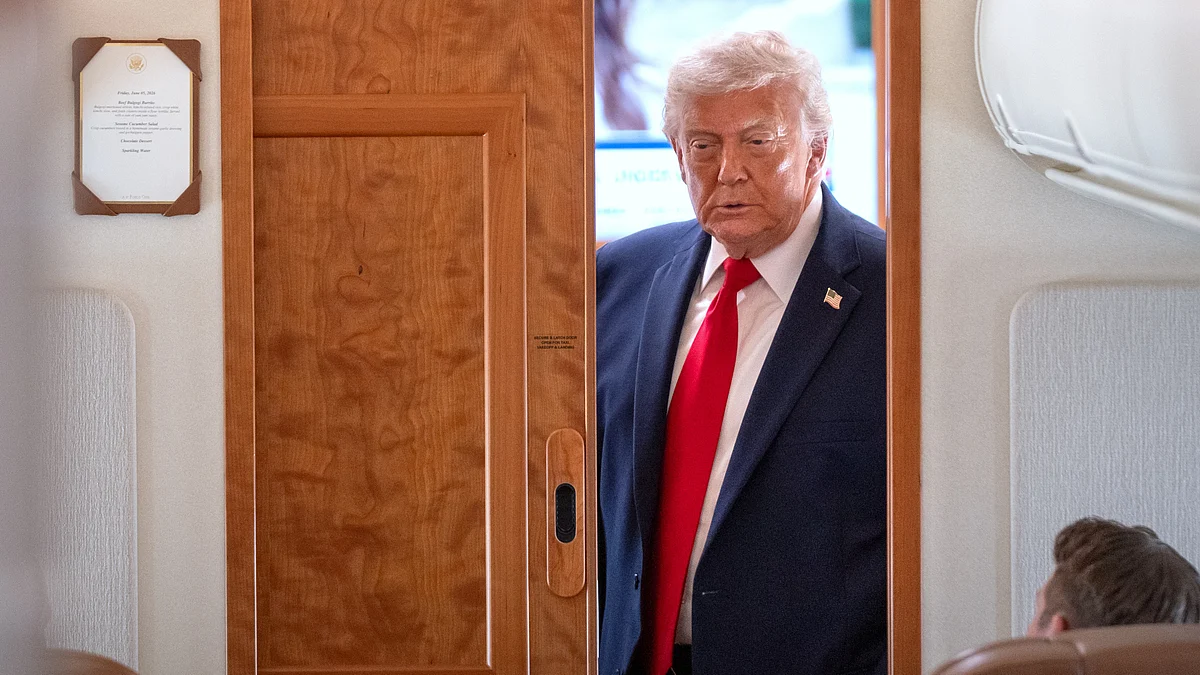


Iran and Israel traded fresh military actions on Sunday, escalating tensions across the region as US President Donald Trump reportedly urged Israeli Prime Minister Benjamin Netanyahu not to retaliate against Tehran’s latest missile strikes, warning that further escalation could derail ongoing ceasefire-linked diplomacy.
According to US media outlet Axios, Trump pressed Netanyahu during a call following Iran’s missile launches, urging restraint and calling on Tehran to return to negotiations, claiming a potential agreement was close.
“We’re very close. I would say an agreement would be signed on Monday, Tuesday or Wednesday,” Trump told Fox News, though he did not outline any concrete framework for a deal.
He further urged both sides to step back from escalation, saying, “You’ve shot your missiles, that’s enough. Get back to the table and make a deal,” while claiming Iran’s strikes “didn’t hurt anybody” and expressing hope Israel would avoid retaliation.
Trump also told Axios that Israeli retaliation would only prolong long-running hostilities, saying escalation would continue “like the last 47 years, or the last 3,000 years.”
Iran, however, has maintained that its actions are defensive and in response to Israeli strikes in the region, rejecting external pressure to return to negotiations on US terms. Iranian officials have consistently argued that any diplomatic process must address what they describe as ongoing Israeli military actions and violations of regional stability.
Trump further suggested Netanyahu would ultimately have to align with Washington’s position, stating, “He won’t have any choice,” and asserting he “calls the shots” in negotiations. Netanyahu reportedly resisted but “pseudo agreed” to delay immediate retaliation, according to Axios, though officials described the exchange as tense.
The escalation followed Iran’s launch of multiple waves of missiles toward Israel, triggering air raid sirens across northern areas. Israel reported no immediate casualties or major damage.
Iran’s Islamic Revolutionary Guard Corps said it targeted Israel’s Ramat David Airbase, calling it a response to what it described as Israeli “crimes” in Lebanon. Iranian military officials warned that further Israeli action in Lebanon or against Iranian interests would prompt “crushing and regret-inducing blows.”
Israel’s military leadership said it was prepared to respond at a time of its choosing, while the Home Front Command tightened restrictions nationwide, limiting public gatherings and closing schools and beaches as precautionary measures.
Regional spillover was also reported, with missiles crossing Jordanian airspace and Iraq temporarily shutting its airspace for 72 hours. Syria also restricted air routes, while Iran suspended flights at major airports, citing security concerns.
Meanwhile, allied groups aligned with Tehran, including Kata’ib Hezbollah, threatened US interests in the region if Washington intervenes militarily, further widening the scope of potential escalation. Yemen’s Houthi movement also expressed support for Iran’s strikes.
Iran’s foreign ministry held talks with multiple regional and European counterparts, reiterating its position that its actions were legitimate self-defense following repeated violations and Israeli strikes in Lebanon.
The developments come amid already fragile ceasefire conditions in the region, with both sides accusing each other of violations and expanding military operations, particularly in Lebanon, raising fears of a broader regional conflict.
With agency inputs
Join our official telegram channel (@nationalherald) and stay updated with the latest headlines