


Iran offers seven-day plan to reopen Strait of Hormuz, resume US talks
Tehran seeks easing of US military pressure and port blockade as part of the deal
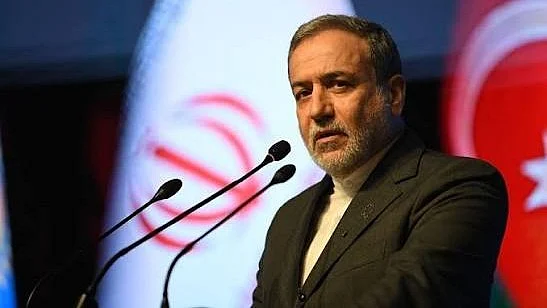


Iran proposes reopening Strait of Hormuz within seven days and restarting US negotiations, Araghchi says
Tehran seeks easing of US military pressure and port blockade as part of the deal
Nuclear issues remain a key obstacle, with Washington seeking safeguards and Iran insisting on peaceful nuclear rights
Iran has proposed a seven-day roadmap to the Trump administration that would reopen the Strait of Hormuz and restart negotiations aimed at ending the broader conflict, foreign minister Abbas Araghchi said on Thursday.
Araghchi said the proposal was conveyed to US officials through mediators during indirect discussions this week on the sidelines of the United Nations General Assembly in New York.
Under the proposal, Iran would reopen the strategically vital waterway within seven days if certain conditions are met, after which negotiations would resume. Araghchi said the terms were broadly similar to a memorandum of understanding reached by the two countries in June.
“The conditions we asked are nothing new,” Araghchi said, without disclosing the full details of the proposal.
Earlier reports indicated that Tehran was seeking an easing of US military pressure and the lifting of the blockade on Iranian ports as part of the process. US and Iranian negotiators have also been exploring a phased arrangement involving the reopening of Hormuz and the lifting of Washington’s economic blockade.
The proposal comes after months of conflict and amid a near-shutdown of the Strait of Hormuz, a crucial global energy corridor through which roughly one-fifth to one-quarter of the world’s oil supplies normally pass.
Iran mined the waterway and warned vessels against crossing without coordination with Tehran after Israel and the US launched attacks on Iran in late February. Shipping subsequently slowed sharply, contributing to concerns over energy supplies and prices.
The White House did not immediately respond to a request for comment on Araghchi’s proposal, according to The Washington Post.
President Donald Trump has acknowledged diplomatic contacts with Tehran while warning Iran that it could face severe consequences if it does not reach an agreement. During his UN General Assembly address, Trump said negotiations remained possible but demanded that Tehran make concessions.
Iranian President Masoud Pezeshkian, speaking at the UN on Wednesday, said Tehran remained open to diplomacy but would not accept what he described as the “language of force”.
“Iran must be powerful so as to avoid being threatened,” Pezeshkian said, while reiterating that Iran would not seek nuclear weapons and retained the right to peaceful nuclear technology.
The nuclear issue remains a central obstacle to a wider agreement. Washington wants guarantees that Tehran cannot develop nuclear weapons, while Iran insists on its right to maintain a civilian nuclear programme.
The latest proposal therefore links two immediate issues — restoring navigation through Hormuz and restarting negotiations on a broader settlement. Whether Washington accepts Tehran’s conditions, however, remains unclear.
With IANS inputs
Join our official telegram channel (@nationalherald) and stay updated with the latest headlines