


Iran’s reported three-point deal targets Hormuz, ceasefire, nuclear delay
Axios reported the proposal was sent via Pakistan and focuses on easing tensions around the Strait of Hormuz and the US naval blockade
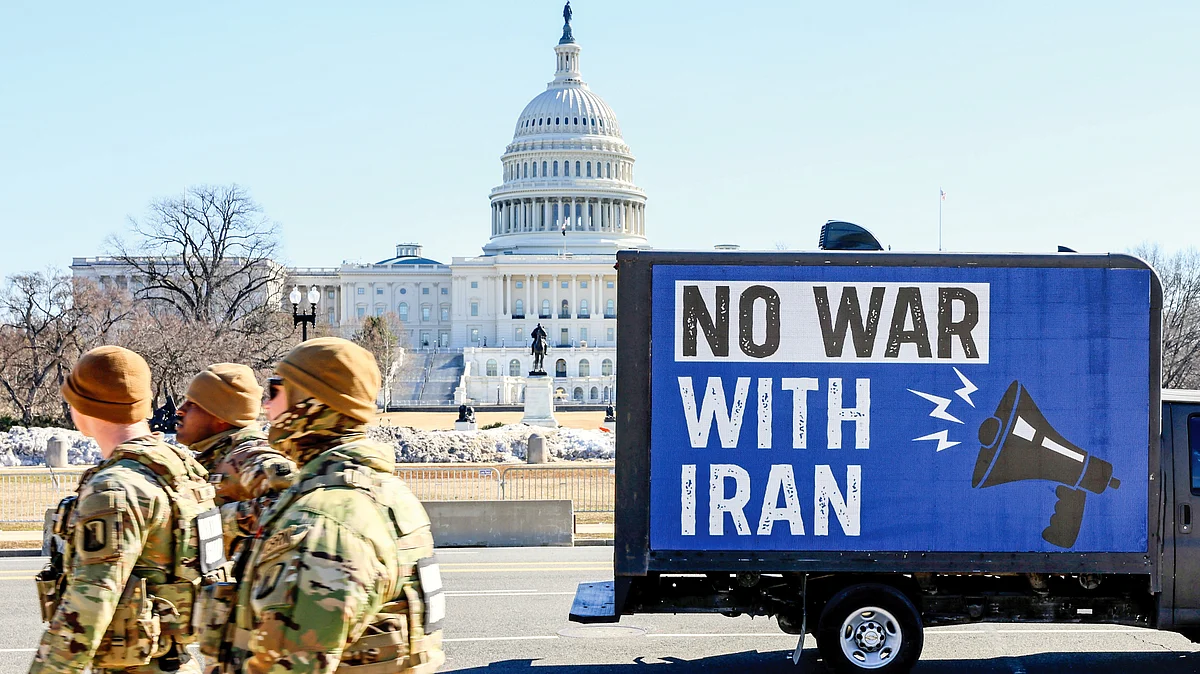


Iran has reportedly put forward a fresh proposal to the United States aimed at ending the ongoing conflict and reopening the strategically crucial Strait of Hormuz, while deferring negotiations over its nuclear programme to a later stage.
According to a report by Axios, the proposal was conveyed to Washington through Pakistani mediation and centres on resolving tensions around the key maritime route as well as addressing a US naval blockade affecting Iranian ports. The outlet, citing US officials and sources familiar with the matter, said the framework includes reopening the strait, halting hostilities and postponing nuclear talks.
However, there is no formal, on-record statement from Tehran outlining a specific “three-point” plan in those exact terms. Iranian officials and state media have instead acknowledged presenting broader proposals and conditions to end the conflict, including demands linked to the Strait of Hormuz, security guarantees, an end to the killing of Iranian officials and possible reparations.
These varying accounts suggest that much of what has been reported internationally represents interpretations or summaries of Iran’s position rather than a definitive, publicly released proposal.
Under the reported framework, a ceasefire could either be extended or formalised into a permanent cessation of hostilities. Crucially, discussions over Iran’s nuclear programme would only begin after immediate issues—such as reopening the strait and lifting restrictions on Iranian shipping—are addressed.
The Hindustan Times reported that the White House is understood to have received the proposal but has not indicated whether it will engage with it. A spokesperson said sensitive diplomatic matters would not be negotiated through the media, reiterating Washington’s stance that any agreement must prioritise US interests and prevent Iran from acquiring nuclear weapons.
US President Donald Trump has also struck a cautious tone, recently cancelling a planned visit by his envoys to Pakistan for further talks, suggesting direct communication from Tehran would be preferable.
Meanwhile, Iran’s foreign minister Abbas Araghchi has stepped up diplomatic outreach, returning to Islamabad for consultations with Pakistani leaders including Prime Minister Shehbaz Sharif and Army Chief Asim Munir.
Araghchi is also continuing engagements with global powers and is expected to hold talks with Russian President Vladimir Putin, underscoring Tehran’s efforts to build momentum for a negotiated outcome.
Despite the flurry of diplomatic activity, analysts note that the proposal remains at an exploratory stage, with significant gaps between the two sides and no clear indication yet of a breakthrough.
Join our official telegram channel (@nationalherald) and stay updated with the latest headlines