


First calls out of Iran reveal heavy security, scattered damage after protest crackdown
Limited phone links restored as witnesses describe armed patrols, burnt banks and fear of reprisals
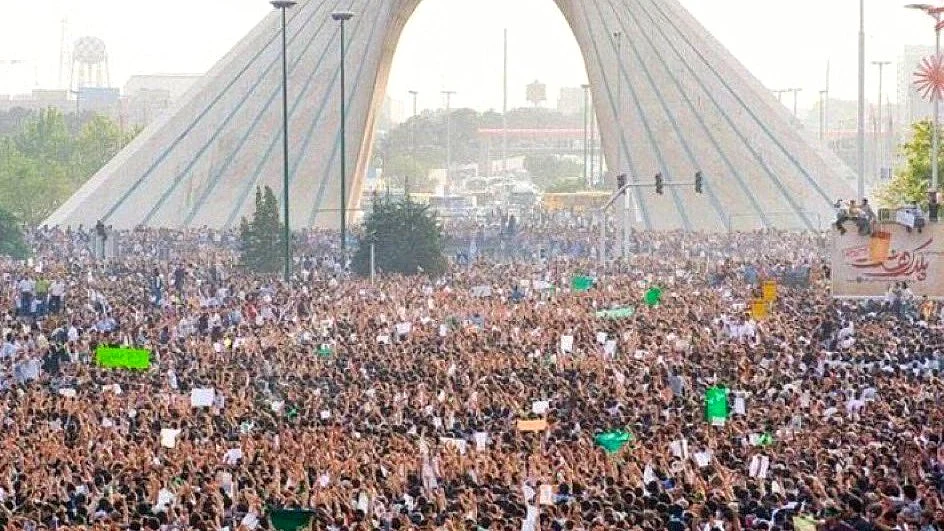


Iranians were able to make limited calls abroad on Tuesday for the first time since authorities shut down communications during a sweeping crackdown on nationwide protests that activists say has killed at least 646 people.
Several residents of Tehran managed to reach journalists at the Associated Press bureau in Dubai, offering the first direct accounts from inside the country after more than four days of near-total isolation. They said mobile calls were briefly possible, but SMS services remained down and internet access was restricted to government-approved domestic websites.
According to the callers, central Tehran has been under heavy security deployment, with anti-riot police and members of the Revolutionary Guard’s Basij militia stationed at major intersections. Officers were seen carrying batons, shields, firearms and tear gas launchers, while plainclothes security personnel were also visible in public areas.
The witnesses, who spoke on condition of anonymity for fear of reprisal, said several banks and government buildings were set on fire during the unrest. Automated teller machines were smashed and financial transactions were disrupted by the internet shutdown.
Shops were open but saw little footfall, they said. Tehran’s Grand Bazaar — where protests first erupted on 28 December — was scheduled to reopen on Tuesday, though some shopkeepers claimed security forces had ordered them to resume operations regardless of safety concerns. Iranian state media has not confirmed such instructions.
Life under surveillance
Residents described an atmosphere of tension and uncertainty across the capital. In northern Tehran, authorities were reportedly searching for Starlink satellite terminals, with security personnel raiding apartment blocks that had satellite dishes. While satellite dishes are officially illegal, enforcement has been lax in recent years.
On the streets, passersby were said to be stopped at random by plainclothes officers, leading to frequent confrontations. State television, meanwhile, aired a statement announcing that mortuary and morgue services would be provided free of charge — a move interpreted by some as acknowledgment that families had been charged high fees to retrieve bodies during the crackdown.
Many Iranians remain anxious about the risk of foreign military action, particularly after US President Donald Trump warned Tehran against using lethal force on demonstrators.
“My customers talk about Trump’s reaction and whether he plans a military strike,” said Mahmoud, a shopkeeper who gave only his first name. “I don’t expect Trump or any foreign country to care about the interests of Iranians.”
Reza, a taxi driver, said frustration among young people was deepening. “People — especially the youth — feel hopeless, but they still talk about continuing the protests,” he said.
Diplomatic signals amid unrest
As the situation inside Iran remains volatile, Tehran says it has continued diplomatic contacts with Washington. Iranian Foreign Minister Abbas Araghchi, in an interview with Al Jazeera, said communication with US envoy Steve Witkoff had continued before and after the protests, though he described Washington’s proposals and threats as “incompatible”.
The White House, however, said Iran’s private messages differ from its public stance. Press secretary Karoline Leavitt said President Trump was open to exploring diplomatic channels but would not hesitate to use military options if he deemed it necessary.
At the same time, Iranian state television broadcast large pro-government rallies in several cities, showing crowds chanting slogans against the US and Israel in support of the ruling establishment. Iran’s attorney general has warned that protesters could be charged as “enemies of God” — an offence that carries the death penalty.
Tariffs and mounting pressure
Trump on Monday announced 25 per cent tariffs on countries that continue trading with Iran, calling the move an immediate response to the protest crackdown. Economies that do business with Tehran include China, Russia, Turkey, Brazil and the United Arab Emirates.
The US president said his administration was considering talks with Iran but cautioned that further action could follow if violence against demonstrators continued.
Iran, through its parliamentary speaker, has warned that any US military intervention would make American forces and Israel “legitimate targets”.
Rising toll, limited verification
According to the US-based Human Rights Activists News Agency, more than 10,700 people have been detained since the protests began. The group said 512 of the dead were protesters and 134 were members of security forces.
With internet and international phone links still largely blocked, independent verification remains difficult. The Iranian government has not released official casualty figures, and foreign journalists face severe restrictions on reporting inside the country.
For now, the brief restoration of mobile connectivity has offered only fleeting glimpses into life inside Iran — revealing a capital under watch, a population under strain, and a crisis that shows little sign of easing.
Join our official telegram channel (@nationalherald) and stay updated with the latest headlines