


Iran rejects Trump’s ‘theatre diplomacy’, calls for commitments as tensions simmer
Mohammad Bagher Ghalibaf criticises what he describes as a cycle of military threats followed by sudden calls for dialogue
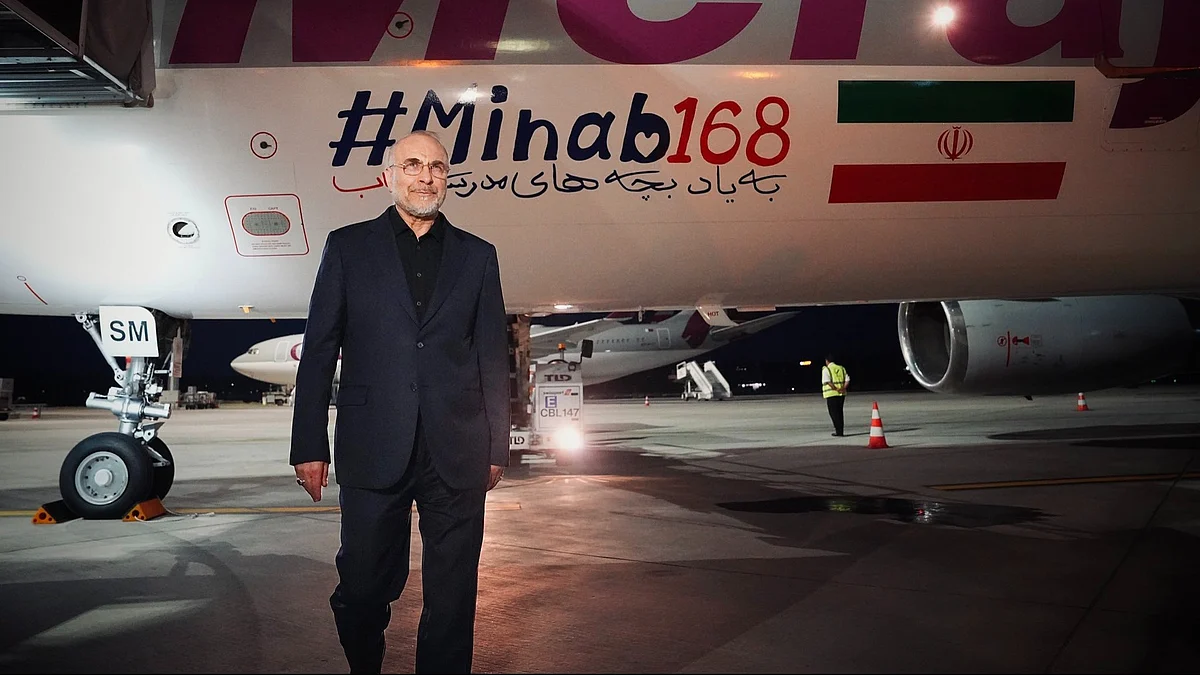


Iran has pushed back against US President Donald Trump’s repeated claims of military action and diplomatic breakthroughs, accusing Washington of oscillating between threats and negotiations while failing to offer a consistent path forward.
Iranian Parliament speaker and chief negotiator Mohammad Bagher Ghalibaf described Trump’s approach as “theatre diplomacy on loop”, arguing that the United States was relying on pressure tactics rather than genuine engagement.
In a post on X, Ghalibaf criticised what he called a cycle of military warnings followed by sudden calls for dialogue. “Using bullying, broken promises and fake news as leverage is a failed strategy,” he said, urging Washington to recognise realities on the ground and honour its commitments.
The remarks came after Trump said he had called off a planned large-scale strike on Iran, claiming that discussions with Tehran had brought negotiations closer and that the “perimeters of a deal” had already been established.
However, Iranian officials dismissed the portrayal of events, maintaining that any resolution must be based on mutual respect, guarantees and fulfilled commitments.
At the centre of the latest tensions is the Strait of Hormuz, one of the world’s most vital energy corridors. Iran has been engaged in discussions with Oman over arrangements to reopen the strategic waterway, with Tehran saying an understanding on navigation routes is close to being finalised.
The strait has remained a focal point of regional uncertainty after attacks on Iran and the subsequent escalation of hostilities disrupted energy flows and sent oil prices higher. Tehran has asserted its role in determining the future of the waterway, parts of which pass through Iranian and Omani territorial waters.
Trump, meanwhile, has maintained that the conflict is nearing an end, saying negotiations are progressing and predicting a fall in petrol prices once hostilities conclude.
“I think it’s going to end pretty soon,” Trump told reporters, adding that he remained involved in talks with Tehran.
Iranian officials, however, have struck a more cautious tone, insisting that the country is prepared for a prolonged confrontation while continuing to pursue diplomatic efforts that safeguard its interests.
As competing narratives emerge from Washington and Tehran, the future of negotiations remains uncertain, with the Strait of Hormuz continuing to serve as both a strategic lifeline and a symbol of the wider regional standoff.
Join our official telegram channel (@nationalherald) and stay updated with the latest headlines