


Iran vows ‘crushing response’ as US strikes deepen Gulf crisis
Global oil prices surge amid fears that renewed hostilities could disrupt supplies through the world's most critical energy corridor
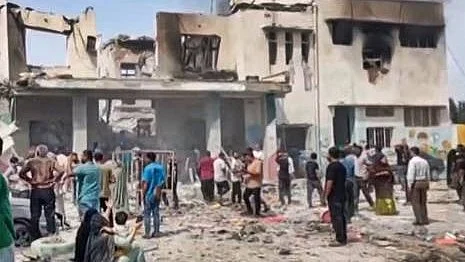


Iran has vowed a "crushing response" after the United States launched what it called "powerful strikes" on multiple military targets, pushing the two longtime adversaries closer to a dangerous new phase of confrontation.
The attacks came after three commercial vessels — including Qatari and Saudi Arabian oil tankers — were targeted while passing through the strategically vital Strait of Hormuz, triggering one of the most serious escalations since Washington and Tehran signed an interim peace agreement last month.
Iranian state media reported powerful explosions in the southern port city of Sirik, the key naval hub of Bandar Abbas and Qeshm Island, as US strikes reportedly hit air-defence systems, anti-ship missile batteries, drone launch sites and coastal surveillance facilities. While Washington accused Tehran of threatening international shipping lanes and violating the ceasefire, Iran's military rejected the allegations and warned that the attacks would not go unanswered, promising retaliation that it described as "crushing".
The military escalation was swiftly followed by another blow. In a move likely to deepen Iran's economic woes, the United States revoked the waiver that had allowed Tehran to resume limited oil exports under the 17 June interim peace accord. The decision effectively reinstates a key layer of sanctions, dealing a fresh setback to Iran's already strained economy and dimming prospects of salvaging the fragile diplomatic breakthrough. Global oil prices surged amid fears that renewed hostilities could disrupt supplies through the world's most critical energy corridor.
The crisis has unfolded at a moment of profound national grief for Iran. The coffin of the country's slain supreme leader, Ali Khamenei, arrived in the Iraqi holy city of Najaf for a funeral procession, drawing thousands of mourners as the nation grappled with both political uncertainty and military confrontation. The symbolism of the funeral, unfolding alongside fresh US strikes, has further fuelled nationalist sentiment and hardened Tehran's rhetoric.
With diplomacy rapidly giving way to military brinkmanship, Iran now finds itself confronting simultaneous military, economic and political pressure. As both sides trade accusations and threats, the already fragile peace agreement appears to be on the verge of collapse, raising fears that the Gulf could once again become the epicentre of a wider regional conflict.
With agency inputs
Join our official telegram channel (@nationalherald) and stay updated with the latest headlines