


Iran warns of ‘decisive, swift’ response to any US interference in Hormuz
Iran says it views any US attempt to influence security arrangements or disrupt navigation in Strait of Hormuz as a direct threat to its national security
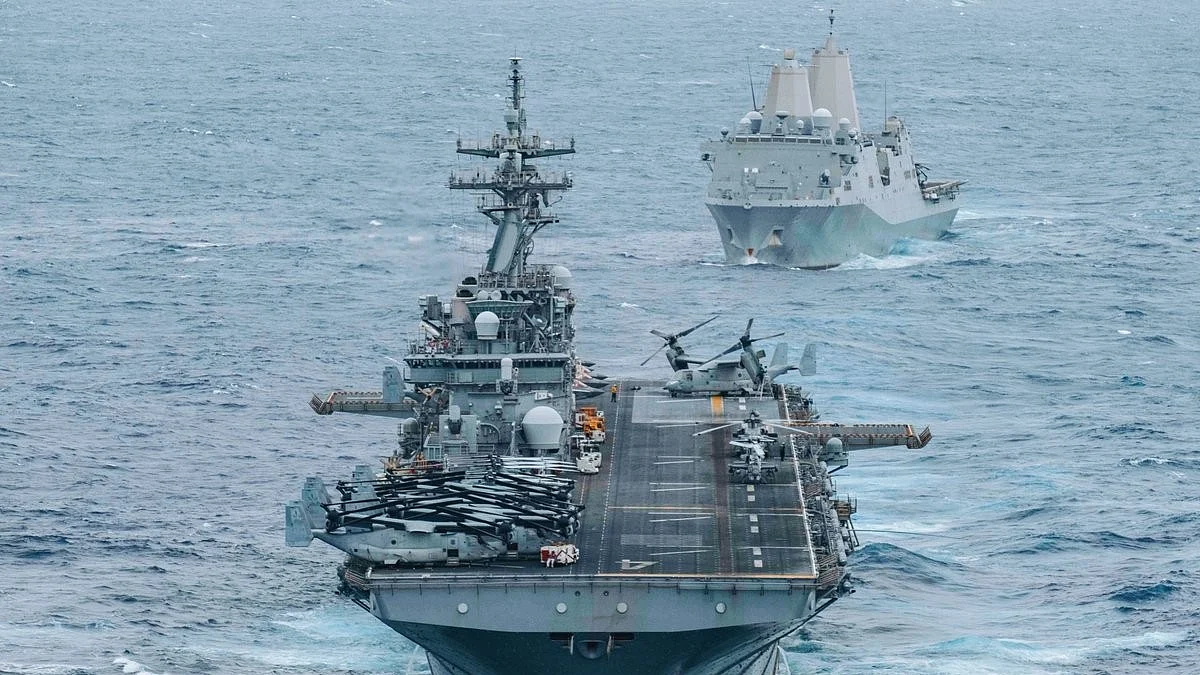


Iran has issued a stark warning to the United States, declaring that any attempt to interfere in the Strait of Hormuz would trigger a "swift and decisive" response from its armed forces, further raising tensions in one of the world's most strategically important maritime corridors.
In a statement carried by Iranian media on Thursday, the Khatam al-Anbiya Central Headquarters, Iran's main military command, asserted that the Strait of Hormuz is "not the aggressive US playground" but falls under Iran's "undisputed sovereignty", describing the security and stability of the waterway as a red line for the country's military.
The headquarters said all oil tankers and commercial vessels transiting the strait must strictly adhere to navigation routes designated by Iranian authorities. It warned that any vessel ignoring Iran's maritime protocols or attempting to use unauthorised routes would face an "immediate and decisive" military response, putting its safety at risk.
Iran also said it viewed any US attempt to influence security arrangements or disrupt navigation in the Strait of Hormuz as a direct threat to its national security.
The military further criticised the continued presence of US manned and unmanned military aircraft over the waterway, claiming such operations fuel regional instability. It vowed to take whatever action it deemed necessary to "crush any aggression" by US forces or their allies in defence of Iran's sovereignty.
The warning was reinforced by Kazem Gharibabadi, Iran's deputy foreign minister for Legal and International Affairs, who said the Strait of Hormuz "is defined under Iran's command, not the US Central Command (CENTCOM)."
His remarks came a day after US Central Command (CENTCOM) hosted a regional security dialogue in Bahrain, bringing together military officials from 12 countries to discuss regional security, strengthen defence cooperation and reaffirm their commitment to ensuring the free flow of commerce through the Strait of Hormuz.
Responding to the meeting, Gharibabadi argued that such initiatives could not establish a legitimate regional security framework. He maintained that lasting security in West Asia would only be possible if the United States ended its military interventions, withdrew its forces from the region, respected the sovereignty of regional nations and accepted the changing geopolitical landscape.
The latest exchange of warnings underscores the growing friction between Tehran and Washington, with the Strait of Hormuz once again emerging as a flashpoint amid heightened regional tensions.
With IANS inputs
Join our official telegram channel (@nationalherald) and stay updated with the latest headlines