


Iran warns of ‘painful’ strikes if US, regional countries make any mistake
Iranian military command warns regional states against aligning themselves with what it describes as US “aggression” against Iran
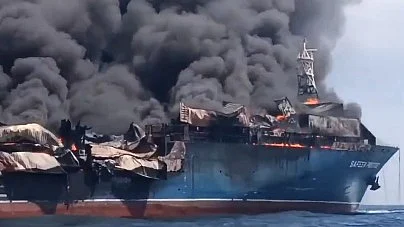


Tehran says any renewed US military action would trigger “continuous, effective and painful” strikes on American bases and interests across West Asia
Iran warns regional countries against supporting Washington following a reported meeting of US, Israeli and Arab military commanders in Germany
Parliament speaker Mohammad Baqer Qalibaf says Iran will not reopen the Strait of Hormuz or resume previous negotiations with Washington unless Tehran’s conditions are met
Iran’s Khatam al-Anbiya Central Headquarters on Sunday warned that any renewed US military action against Tehran would trigger “continuous, effective and painful” strikes on American bases and interests across the West Asia, while cautioning regional countries against supporting Washington.
In a statement carried by Iranian media, the headquarters said it had received intelligence indicating that the United States had decided to resume military action against Iran with the backing of certain regional countries following a recent meeting in Europe.
“If the US makes any mistake against the Islamic Republic of Iran, all its positions and interests in the region will be targeted by sustained, effective and painful attacks, without any limitations or considerations,” the statement said.
The Iranian military command also warned regional states against aligning themselves with what it described as US “aggression” against Iran. It said countries that supported Washington would be considered “accomplices” and should no longer expect restraint from Iran’s armed forces.
The warning comes days after reports of a confidential meeting in Germany involving senior military commanders from the United States, Israel and eight Arab countries — Saudi Arabia, the United Arab Emirates, Bahrain, Kuwait, Qatar, Jordan and Egypt. The meeting was reportedly convened by US Central Command chief Admiral Brad Cooper to discuss the conflict with Iran and wider regional tensions.
According to Axios, citing two Israeli officials, Cooper told participants that the US military would remain in the region despite Iranian attacks on American bases and briefed them on plans involving increased ship traffic through the Strait of Hormuz. The participating governments have not publicly confirmed the reported meeting.
Separately, Iranian Parliament speaker Mohammad Baqer Qalibaf said Tehran would not return to the previous framework of negotiations with Washington or reopen the Strait of Hormuz unless its conditions were met.
Qalibaf said Iran’s demands had been conveyed to the US through intermediaries and insisted that Tehran’s “legitimate” rights must be recognised and Washington must fulfil its commitments before negotiations or reopening the strategic waterway could resume.
The Strait of Hormuz remains a major flashpoint in the confrontation, with the waterway carrying a significant share of global energy shipments. Iran’s position links any reopening of the route to progress on its demands and the future of negotiations with Washington.
The latest warnings come amid continued escalation between Iran and the United States, with Tehran combining threats of military retaliation with demands for diplomatic guarantees and conditions for any renewed negotiations.
With IANS inputs