


Iran’s supreme leader condemns assassination of IRGC intelligence chief
Khamenei accuses Washington and Tel Aviv of resorting to “terrorism and assassination” following what he terms “successive defeats”
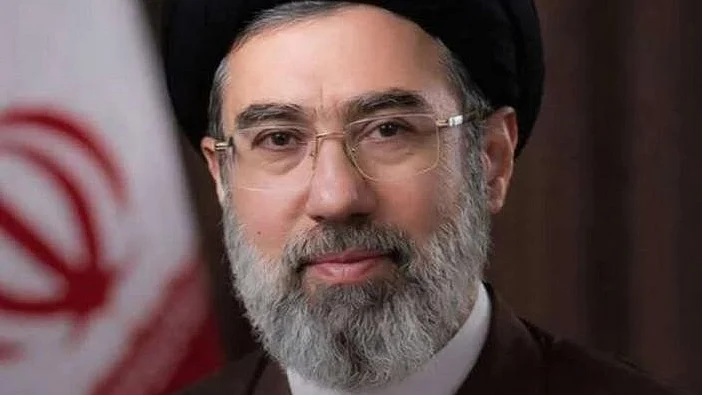


Iran’s supreme leader Mojtaba Khamenei on Monday vowed that attacks on the country’s leadership would not derail its course, as he condemned what he described as a campaign of “assassinations and crimes” by Israel and the United States.
In a statement, Khamenei expressed condolences over the killing of senior Islamic Revolutionary Guard Corps (IRGC) official Majid Khademi, praising his decades of “silent efforts” in Iran’s security, intelligence and defence sectors. Khademi, who headed the IRGC’s Intelligence Protection Organisation, was killed in an airstrike in Tehran that Israel has claimed responsibility for.
Khamenei accused Washington and Tel Aviv of resorting to “terrorism and assassination” following what he termed “successive defeats”, and said such actions would not weaken Iran’s resolve. He extended condolences to Khademi’s family, colleagues, and members of the IRGC’s intelligence apparatus.
Khademi had been appointed to his current role in June last year, shortly after the brief but intense Iran–Israel conflict, replacing former intelligence chief Mohammad Kazemi, who was killed during the hostilities.
Separately, Iran’s foreign minister Seyed Abbas Araghchi strongly condemned recent US and Israeli strikes, including an attack on Sharif University of Technology in Tehran. The strike reportedly caused severe damage to the university’s information technology centre and a nearby gas substation close to a mosque within the campus.
Tehran described the targeting of civilian and academic infrastructure as a serious escalation, accusing the US and Israel of violating international norms.
Iranian military officials said their forces have launched retaliatory strikes targeting petrochemical facilities and fuel storage sites in southern Israel, as well as US-linked military infrastructure, including equipment depots, satellite communication units, and troop positions at a base in Kuwait.
The escalation follows the large-scale joint US–Israel strikes on 28 February that hit Tehran and other Iranian cities, killing senior leadership figures, including former supreme leader Ali Khamenei, along with military commanders and civilians.
Iran responded with waves of missile and drone attacks aimed at Israeli territory and US bases across the region, marking one of the most intense phases of direct confrontation between the sides in recent years.
With targeted killings, strikes on strategic infrastructure, and retaliatory attacks continuing, tensions across West Asia remain high. Iranian leaders have signalled that further escalation is likely if attacks persist, while also insisting that pressure tactics will not force Tehran to change its strategic stance.
With IANS inputs
Join our official telegram channel (@nationalherald) and stay updated with the latest headlines