


Donald Trump threatens to decimate Iran in four hours if Hormuz deal fails
US president sets 8 pm Eastern Time deadline for Iran, tying ultimatum to reopening Hormuz for global oil flows
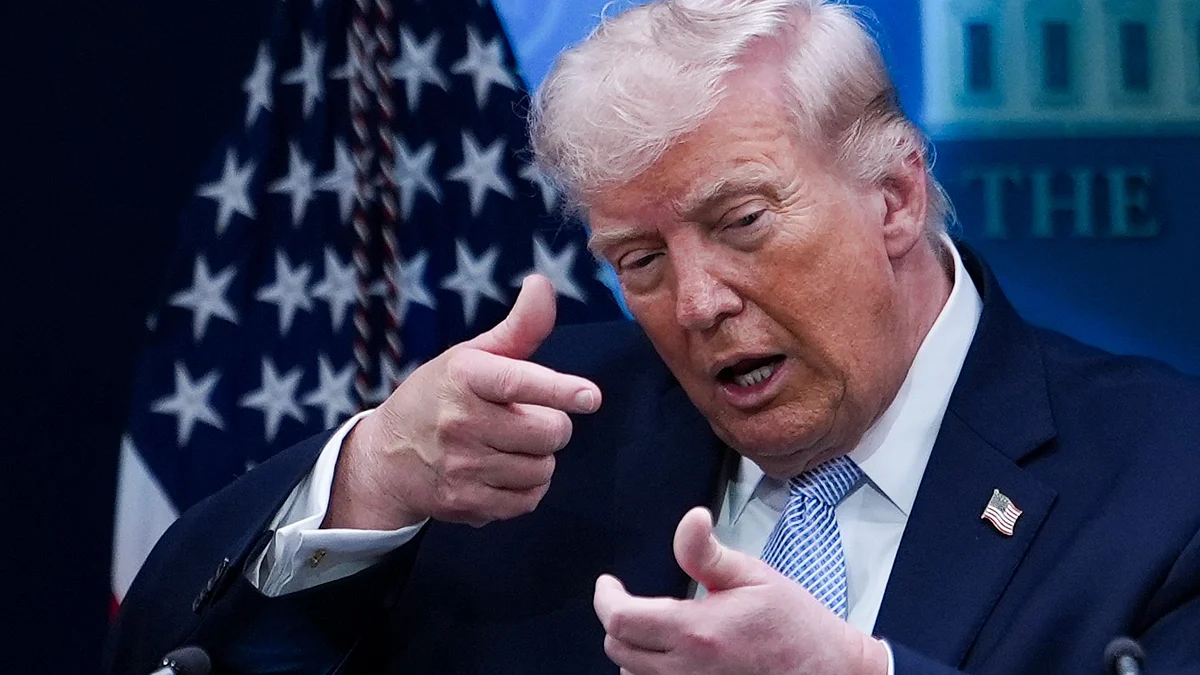


US President Donald Trump on Monday sharply escalated rhetoric against Iran, warning of massive strikes on civilian infrastructure if Tehran fails to agree to a deal and reopen the Strait of Hormuz by Tuesday night.
Speaking at a press conference, Trump said the United States had the military capability to “completely demolish” Iran’s bridges and power plants within hours, outlining a scenario in which the country’s critical infrastructure could be wiped out in a short, concentrated assault. He dismissed concerns that such strikes could amount to war crimes, insisting they would not violate international law.
The US president also urged Tehran to comply with Washington’s demands by an 8 pm Eastern Time deadline, linking the ultimatum to restoring free movement of global oil shipments through the Hormuz Strait — a chokepoint that carries roughly a fifth of the world’s crude supply.
Trump further claimed that sections of the Iranian population supported stronger US action and said Washington could even assist in rebuilding Iran if a deal is reached.
In response, Tehran reacted sharply, rejecting both the ultimatum and a US-backed 45-day ceasefire proposal, instead calling for a permanent end to the war, lifting of sanctions, and guarantees against future attacks.
Iranian officials and state media described the US threats as “unacceptable” and incompatible with diplomacy, warning that negotiations cannot proceed under coercion.
Crucially, Iran signalled it would retaliate “in kind” if its infrastructure is targeted, raising the risk of a wider regional escalation involving energy and civilian facilities.
Tehran has also maintained that reopening the Strait of Hormuz would require broader conditions, including compensation and long-term guarantees, rather than a temporary ceasefire.
The latest exchange comes amid intensifying military activity and stalled diplomacy. US officials have warned of a potential surge in strikes, while regional tensions remain high with ongoing attacks and counterattacks across West Asia.
Legal experts and analysts have raised concerns that targeting civilian infrastructure such as power plants and bridges could violate international humanitarian law, further complicating the conflict.
With both sides hardening positions, the standoff over the Strait of Hormuz — vital to global energy flows — has become the central flashpoint, with significant implications for global oil markets and regional stability.
With PTI inputs
Join our official telegram channel (@nationalherald) and stay updated with the latest headlines