


Israel vows to stay in south Lebanon as Hormuz dispute deepens
Netanyahu says Israeli military will "not withdraw" from occupied areas in southern Lebanon despite growing calls for de-escalation
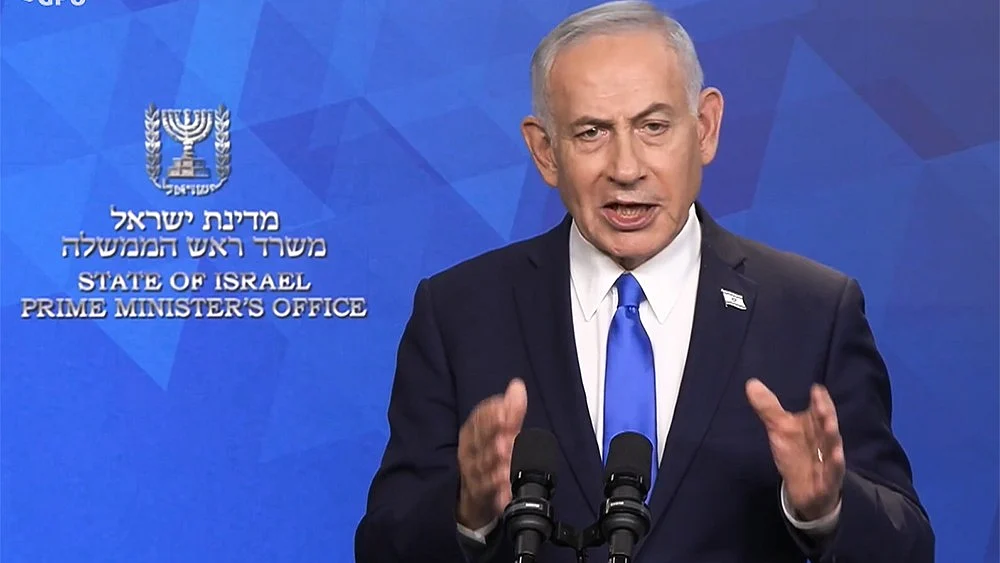


Regional tensions escalated on Thursday as Israel continued military operations in southern Lebanon while a fresh dispute over navigation through the Strait of Hormuz heightened fears of a wider West Asia confrontation with global economic implications.
Israeli Prime Minister Benjamin Netanyahu said the Israeli military would "not withdraw" from occupied areas in southern Lebanon, signalling that its presence would continue despite growing international calls for de-escalation, the Al Jazeera reported.
Israeli forces carried out fresh strikes across southern Lebanon, where the Iran-backed group Hezbollah accused Israel of targeting civilians attempting to return to their homes. Hezbollah said the attacks killed two people and wounded another, describing them as civilians. Israel has not immediately commented on the allegation.
The renewed exchanges come amid persistent cross-border hostilities that have displaced thousands on both sides of the frontier and raised concerns of another prolonged conflict along Israel's northern border.
Meanwhile, tensions also mounted in the Strait of Hormuz, one of the world's most critical oil shipping routes.
Following a meeting with Gulf leaders in Bahrain, US secretary of state Marco Rubio said Washington and its regional allies had rejected any attempt by Iran to impose fees or restrictions on commercial transit through the strategic waterway.
His remarks came after Iran's Islamic Revolutionary Guard Corps (IRGC) warned that vessels should not pass through the Strait of Hormuz without authorisation, a statement likely to intensify concerns over freedom of navigation in the energy corridor through which a significant share of global oil exports passes.
The parallel developments in Lebanon and the Gulf have renewed fears of a broader regional escalation, with security analysts warning that continued military confrontation and uncertainty over maritime traffic could disrupt global energy supplies and international shipping.
Join our official telegram channel (@nationalherald) and stay updated with the latest headlines