


London Diary: Bengal famine and a controversy that refuses to go away
Plus, more on Britain's hard line on immigration, and the fightback that never was from Keir Starmer
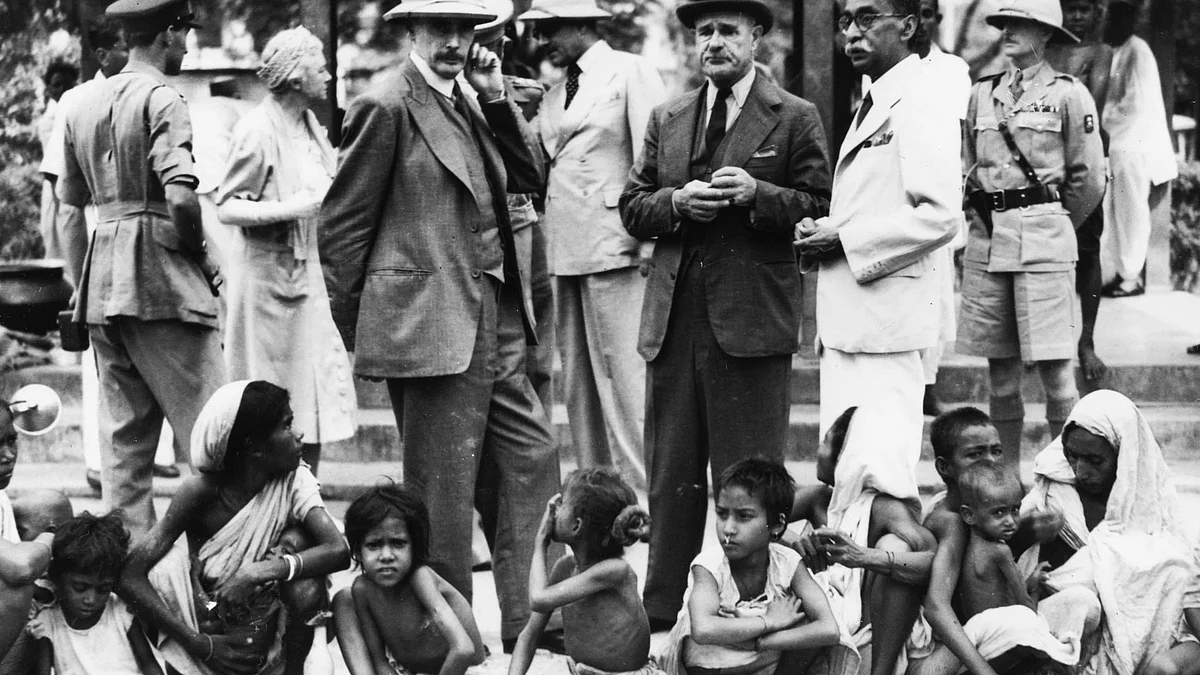


The controversy over the role of British Prime Minister Winston Churchill in causing the catastrophic Bengal famine of 1943 — which killed an estimated three million Indians by withholding or delaying emergency food supplies — refuses to go away.
It flared up again last week after prominent Black artist Helen Cammock was forced to withdraw her prize-winning exhibit critical of Churchill from London’s National Portrait Gallery following pressure from a number of influential right-wing figures, including his grandson Nicholas Soames, biographer Andrew Roberts, and 50 peers.
Cammock’s 40-minute video installation, Persistence, echoed historic allegations that Churchill was responsible for the deaths of “millions of Indians by starvation” during World War II as part of a deliberate policy to punish the country for its anti-colonial struggle.
It claimed that he "wilfully" inflicted suffering on them despite urgent appeals by Britain's colonial administration in India — comparing his actions to controversial English statesman and soldier Oliver Cromwell’s bloody 17th-century campaign in Ireland to crush its rebellion against England.
Cammock, who narrates the film, alleges that Churchill used mass starvation as a weapon of war while pointing out that “starvation is a very old weapon”.
The exhibit had been on display since September 2025 as part of the elite gallery’s 'Artists First: Contemporary Perspectives on Portraiture' programme, and was to have remained on show until August.
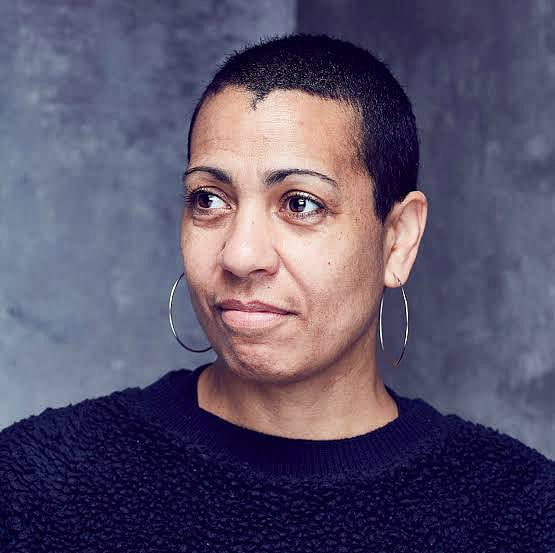
Its premature termination followed a backlash from high-profile Churchill loyalists questioning her claim and calling it an "ideologically motivated rant", and "historically ludicrous".
They claimed that the Bengal famine was caused by a typhoon, and that Churchill in fact made every effort to ensure that help reached the victims — a claim contradicted by well-documented studies showing that his war-time policies — delaying or refusing food imports, prioritising shipping and stockpiles in other regions — worsened the famine.
The gallery distanced itself from Cammock’s views and claimed that she voluntarily withdrew the exhibit.
****
Another twist in the immigration debate
With immigration being cited by most Brits, ironically including many long-settled Indian immigrants, as their major concern — on par with the economy — there’s a scramble among political parties to sound hawkish on the issue.
Their policy pledges range from further toughening up entry rules to deporting migrants and, in a new twist, slapping an additional punitive tax on companies that hire foreign workers.
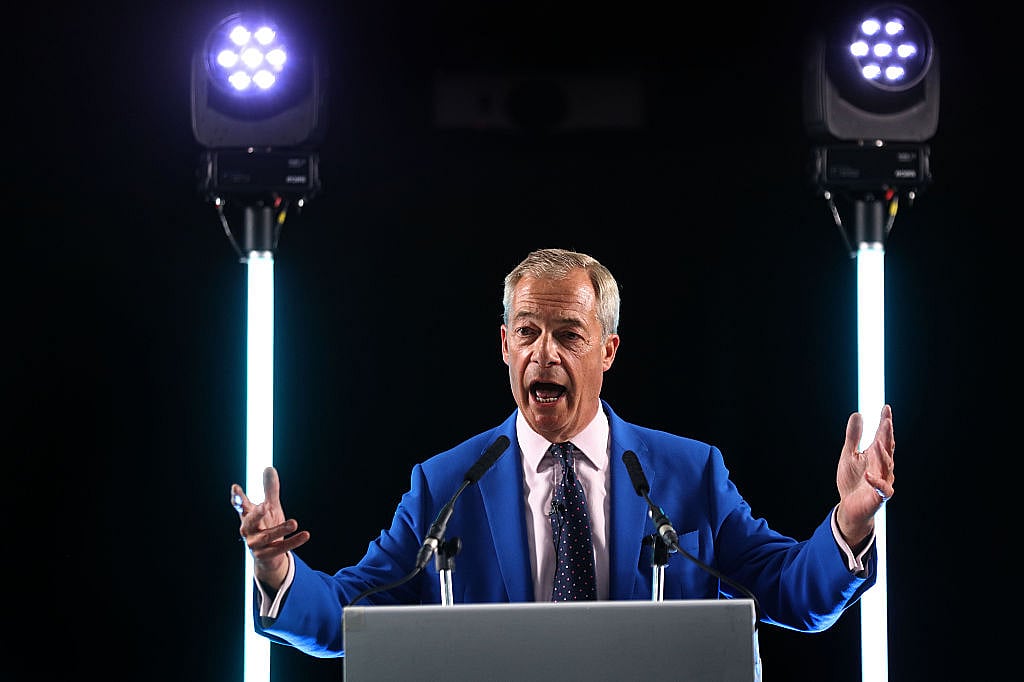
The party behind the move is Nigel Farage’s Reform UK which is tipped to to be the favourite to win the next general election on the back of its xenophobic agenda.
Remember that Farage is the same man who masterminded Brexit with the aim of putting an end to unlimited immigration. In the event, for all the hype, nothing changed. On the contrary, immigration actually increased under the pro-Brexit Conservative Prime Minister Boris Johnson.
By the way, much of Reform UK is made of defectors from the Conservative party, including its official spokesman Robert Jenrick, who has proposed the new levy.
“It is high time the British government put British workers first. And migrant labour second,” he said as both Labour and Conservative parties announced their respective plans to crack down on immigration.
Never a dull moment in the immigration debate.
****
How Keir Starmer finally went...
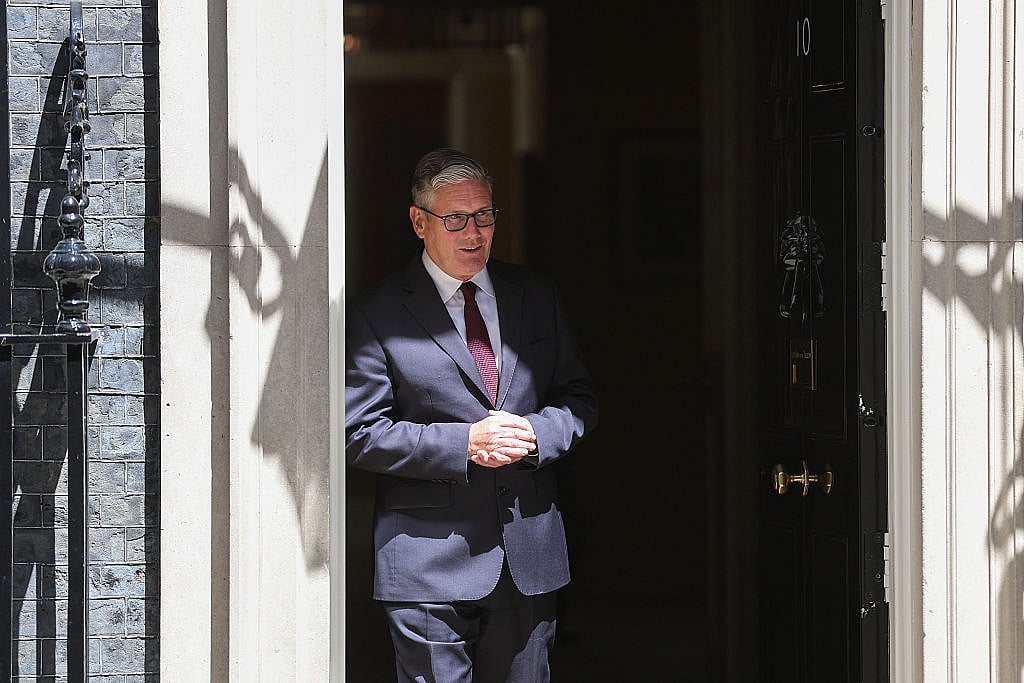
For all the rhetorical bravado and bluster that he wasn’t going anywhere and would fight any challenge to his leadership, in the end, Keir Starmer crumbled at the first hint of trouble. Even more meekly than his five Tory predecessors prematurely forced out of office.
Also Read: Why the UK premiership is such a hotseat
From the moment his putative challenger Andy Burnham, former mayor of Manchester, arrived in London to a hero’s welcome after winning a parliamentary seat in a bye-election, it was clear that Starmer’s 23-month premiership had finally hit the buffers.
But to keep up the appearance of a fightback, he took another 24 hours to actually throw in the towel after ostensibly consulting his family. Ultimately, it was apparently his wife Victoria who advised him not to prolong the agony.
And next morning (22 June), the nation watched another PM (the sixth in 10 years) stand at the famous Downing Street lectern and announce his own demise — mouthing the all-too-familiar clichés about how it had been his great privilege to lead the country and enumerate the achievements of his short-lived government.
The question as to why his party lost confidence in his leadership— ("My party is asking now whether I am best placed to lead us into the next general election. I have heard the answer of my parliamentary party to that question. And I accept that answer with good grace”) — remained unanswered.
He then set out a timetable for the next leadership contest which theoretically would conclude by autumn. But it now seems that there will be no contest and Burnham will be installed as Britain’'s seventh PM in a decade as early as this month.
And finally, when a British tourist in America complimented a friend for the politeness of the drivers there, he said, “Well, when one in three drivers is armed, it tends to encourage politeness.”
Join our official telegram channel (@nationalherald) and stay updated with the latest headlines