


Middle East crisis deepens as Iran fires missiles at Israeli and US targets
Air-raid sirens pierce the morning calm in Tel Aviv and Jerusalem as Israel reports multiple incoming missiles
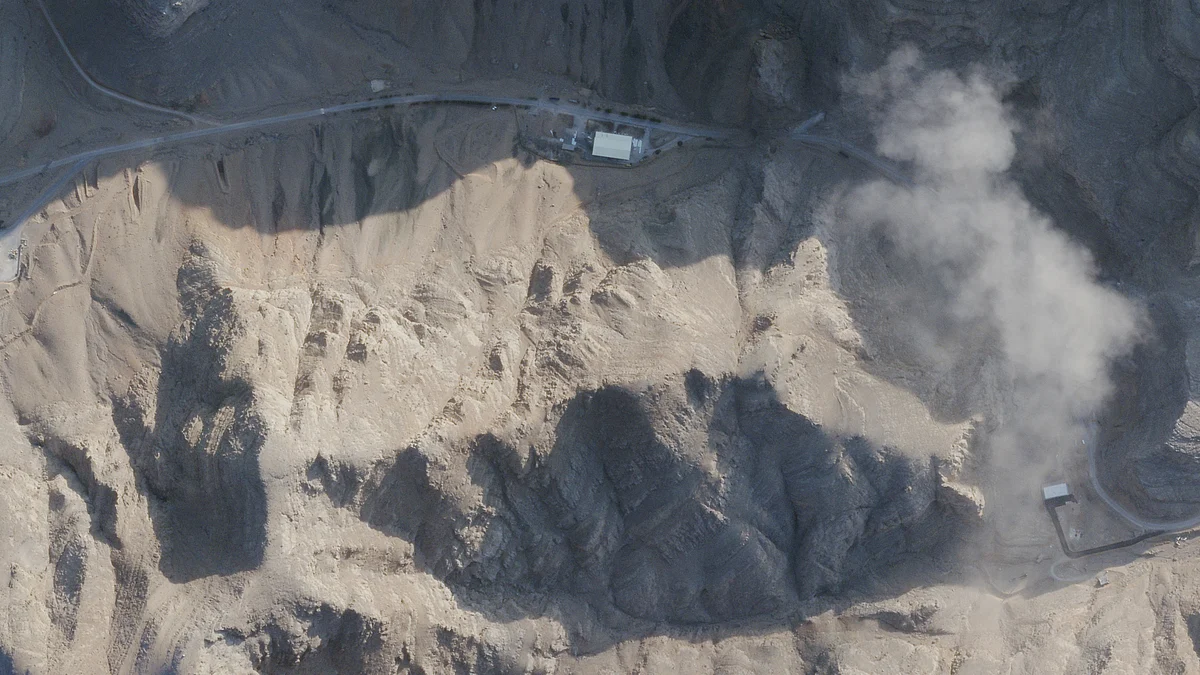


The conflict between Iran, Israel and the United States entered a volatile new phase on Thursday as Tehran unleashed a fresh wave of missile attacks targeting Israeli territory and American military installations across the region. The strikes followed stark Iranian warnings of “complete destruction” for military and economic infrastructure in West Asia after Washington and Tel Aviv intensified their aerial bombardment of Iranian targets.
Air-raid sirens pierced the morning calm in Tel Aviv and Jerusalem as Israel reported multiple incoming missiles. Iranian state television simultaneously claimed that additional strikes had been directed at American bases. Even as the region braced for escalation, Israeli forces carried out targeted airstrikes in Lebanon, hitting positions linked to the Iran-backed Hezbollah in Beirut’s southern suburbs.
The war, which erupted over the weekend, has rapidly expanded in scale and consequence. The United States and Israel initially framed their offensive as a campaign to dismantle Iran’s missile arsenal, cripple its nuclear programme and weaken its leadership. Yet the shifting rhetoric surrounding the operation has underscored the uncertain contours of a conflict that increasingly appears open-ended.
Iran was plunged into mourning early in the war following the reported killing of supreme leader Ali Khamenei in the opening strikes. The ferocity of subsequent attacks forced state television to postpone a planned national ceremony honouring him. The death of the long-serving leader — who had ruled for nearly four decades — has set off a tense political scramble within Tehran’s corridors of power as the country prepares to choose a successor for only the second time since the 1979 revolution led by Ayatollah Ruhollah Khomeini.
Meanwhile, the conflict has spilled across borders and seas. Iran fired missiles toward Bahrain, Kuwait and Israel, while Turkey reported that NATO defences intercepted a ballistic missile before it could enter its airspace. In the Indian Ocean, a US submarine sank an Iranian warship with a torpedo strike, according to US defense secretary Pete Hegseth. Sri Lankan authorities later said dozens of crew members were rescued while many others perished.
The human toll has mounted grimly. More than a thousand people have been killed in Iran, with additional casualties reported in Israel and Lebanon. Commercial shipping routes have been disrupted, global energy markets rattled and hundreds of thousands of travellers stranded across the Middle East. Brent crude prices have surged sharply amid fears that instability around the vital Strait of Hormuz could further choke the flow of oil.
Despite signs that Iranian missile launches may be declining under relentless strikes, explosions continued to echo across Israel on Thursday as air defence systems intercepted new barrages. With no clear timeline for the end of hostilities, officials in Washington indicated the campaign could stretch for weeks — or longer — leaving the region on edge and the world watching anxiously.
With AP inputs
Join our official telegram channel (@nationalherald) and stay updated with the latest headlines