


Musk’s reported presence on Trump–Modi call raises eyebrows
Despite India’s denial, New York Times report of businessman joining the discussion on West Asia crisis sparks political scrutiny; Congress flags transparency concerns
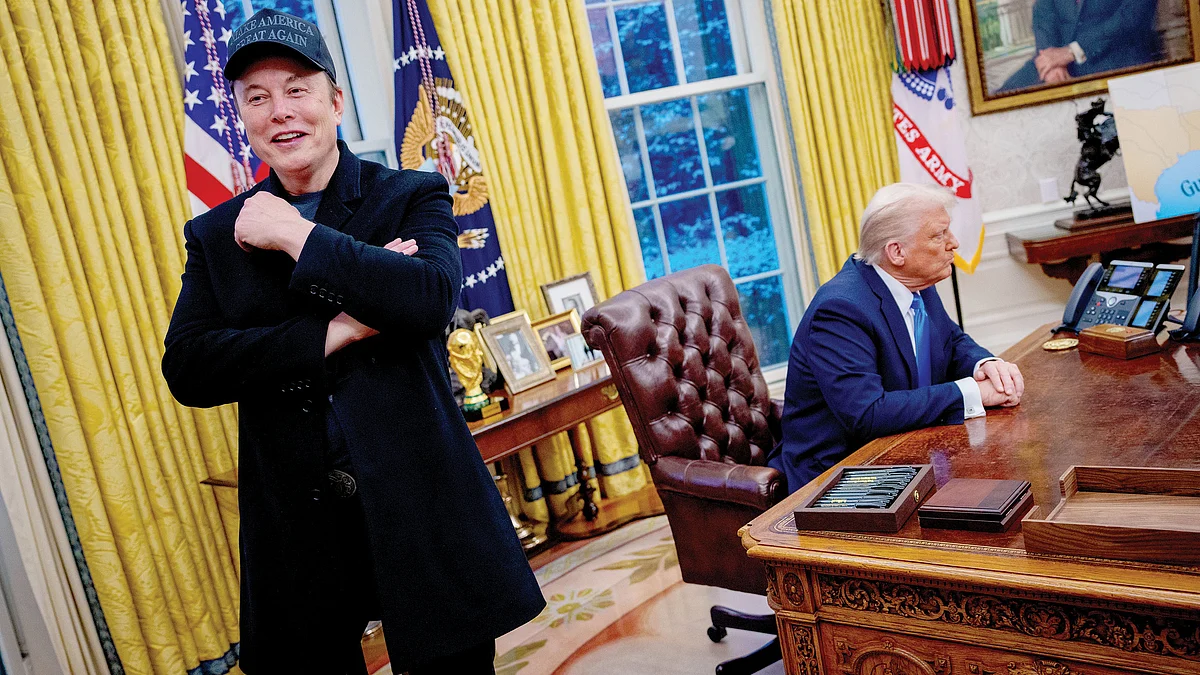


Questions continue to surround the reported presence of tech entrepreneur Elon Musk during a recent phone conversation between Donald Trump and Narendra Modi, even as the Indian government has denied the claim.
The call, held on 24 March, was officially described as focusing on the evolving situation in West Asia amid tensions involving the United States, Israel and Iran. However, a report by The New York Times suggested that Musk was also part of the exchange, prompting a sharp response from the opposition Indian National Congress.
Responding to the report, the Ministry of External Affairs said the conversation “was between Prime Minister Narendra Modi and President Donald Trump only” and reiterated that it centred on an exchange of views on the West Asia situation.
Despite the denial, the Congress said the development “raises serious questions” and outlined them as follows:
Why was a businessman present when two national leaders were discussing a global crisis?
What role did Elon Musk play in this conversation?
Was this truly about the West Asia crisis, or was there another “business” agenda?
Why did the Modi government not disclose Musk’s presence?
Why are we learning about this from another country instead of our own government?
While Trump spoke to leaders of different countries during the conflict, why was no businessman present on those calls — and why did this happen only with India?
The White House described the talks as “productive”, but productive for whom?
The party described these as “simple questions” and said the country deserved clear answers. It also underlined that the call came at a time of heightened tensions involving the US, Israel and Iran, arguing that such a moment demanded diplomatic seriousness rather than the involvement of corporate figures.
The Indian National Congress escalated its criticism in a social media post, alleging that the Prime Minister’s handling of the matter raised serious concerns about transparency and independence in foreign policy.
In the post, the party claimed that the Prime Minister was “compromised” and alleged that he was acting under the influence of the United States leadership, suggesting he was “more of a manager being controlled from behind the scenes than a leader”. These remarks were made in the context of questioning the government’s failure to disclose the reported presence of a business figure during a high-level diplomatic exchange.
The Congress argued that the episode, combined with the government’s denial and lack of detailed clarification, risked eroding public trust and raised broader concerns about the separation between diplomatic decision-making and private interests.
There has been no further elaboration from the government beyond its initial statement rejecting the report.
Join our official telegram channel (@nationalherald) and stay updated with the latest headlines