


Myanmar junta chief Min Aung Hlaing nominated for presidency
Military leader set to assume top civilian post after elections criticised by opponents; constitutional shift raises questions over power balance
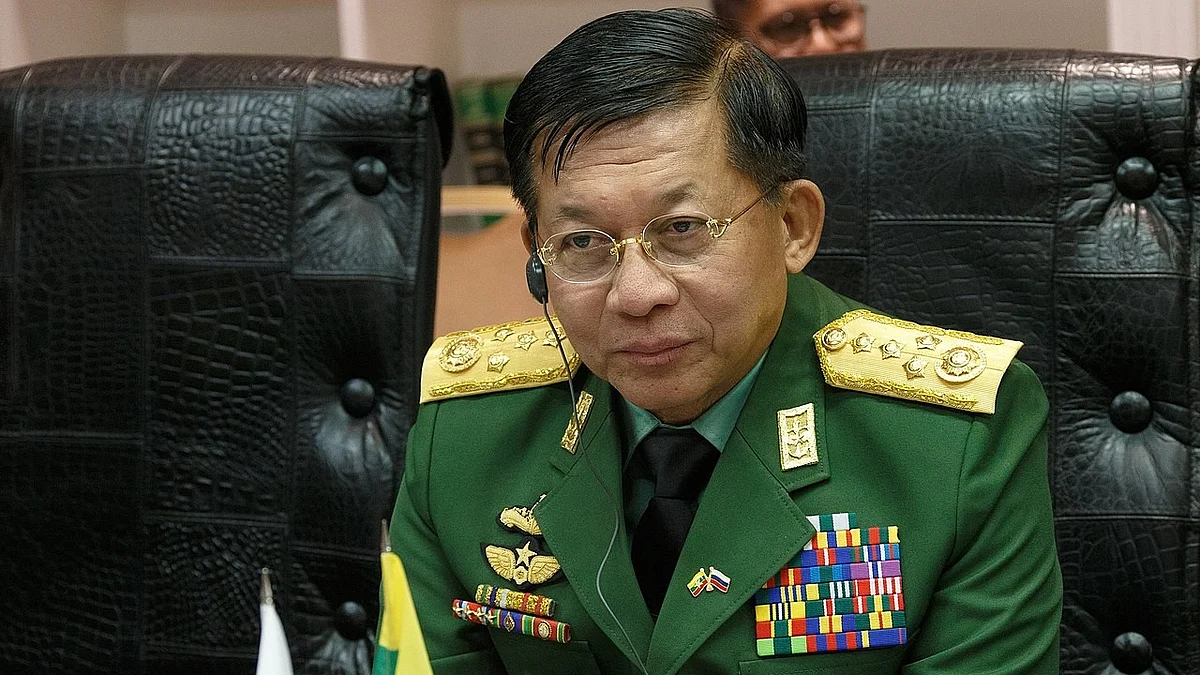


Min Aung Hlaing has been nominated for the presidency as Myanmar’s parliament convened, following general elections in which major opposition parties were excluded.
Min Aung Hlaing is widely expected to be elected, having been nominated alongside two candidates considered loyalists with limited prospects. The parliamentary process is expected to conclude later this week.
The elections, held between December and January, were presented by the military administration as a step towards restoring political stability after years of conflict. However, critics described the process as lacking inclusivity, pointing to the absence of key opposition parties and restricted voting in several regions affected by ongoing violence.
The authorities have rejected such criticism, maintaining that the elections were conducted in a free and fair manner.
Parliament composition and political control
Around 90 per cent of members in the newly formed parliament are aligned with Min Aung Hlaing, including military officers and representatives of the armed forces-backed political party.
Under Myanmar’s constitutional framework, the military is guaranteed 25% of parliamentary seats, reinforcing its influence over the political system.
Parliamentarians are expected to debate the presidential nomination over several days, though the outcome is not in doubt given the current composition of the legislature.
Coup and conflict
Min Aung Hlaing has led Myanmar since the military takeover in 2021, which removed the elected government headed by Aung San Suu Kyi.
The country has since experienced prolonged conflict between the military and various opposition groups, with widespread displacement and casualties reported over the past five years.
Large parts of Myanmar remain outside the control of the central administration, with armed groups holding territory in several regions.
Transition and internal dynamics
If elected president, Min Aung Hlaing will be required under the constitution to relinquish his role as commander-in-chief of the armed forces.
He has nominated General Ye Win Oo, described as a close ally, as his successor in the military leadership.
Observers say the transition could alter internal power dynamics, as control over the armed forces has been central to Min Aung Hlaing’s authority.
To retain influence, he has established a consultative council that he is expected to head, potentially allowing him to maintain oversight across both military and civilian structures.
There has been no indication from the current leadership that policy direction will change following the transition.
Analysts say the incoming administration is likely to reflect continuity with the existing system, with the military retaining significant influence over governance despite the formal shift to a civilian presidency.
The developments mark a new phase in Myanmar’s political trajectory, even as conflict and political divisions continue across the country.
Join our official telegram channel (@nationalherald) and stay updated with the latest headlines