


Nepal floods: Death toll rises to 700, over 2,400 still missing
Rescue teams race against time as rain and damaged infrastructure hamper access
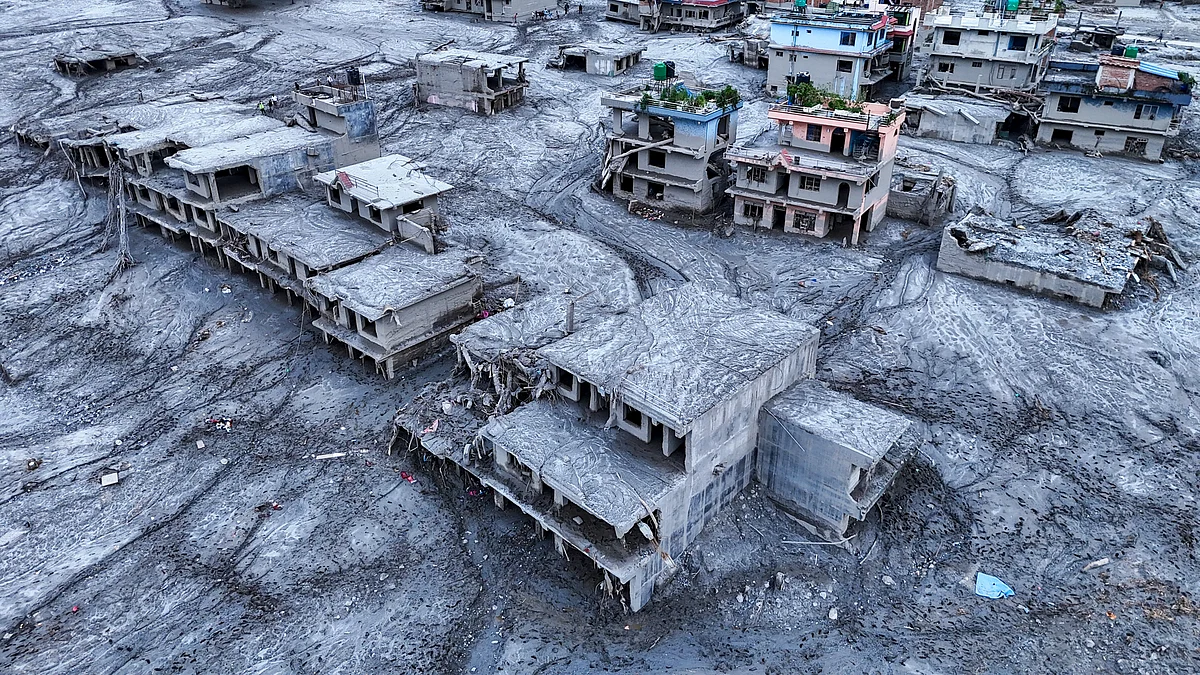


Nepal is confronting one of its worst flood disasters in recent years, with the death toll from the devastating Bhote Koshi flash floods rising to 700 as rescuers continue to recover bodies and search for thousands of people still unaccounted for.
More than 2,400 people remain missing, according to the latest reports, while thousands of survivors have been rescued or evacuated. The continuing search has been made increasingly perilous by renewed rainfall, rising river levels and the threat of further flooding in the Bhote Koshi basin.
The catastrophe unfolded on Wednesday after what authorities believe was a massive collapse or avalanche of ice and rock in the Himalayan region near the Nepal-Tibet border. A violent torrent of water, mud and debris surged downstream, tearing through settlements, sweeping away homes and vehicles, severing roads and bridges and severely damaging hydropower infrastructure.
The Bhote Koshi River became the principal channel for the floodwaters as they raced into central Nepal, leaving a trail of destruction across several districts.
Rescue teams are working against time as difficult weather and devastated infrastructure continue to hamper access to some of the worst-hit areas. Helicopters have been repeatedly deployed to evacuate stranded residents and deliver essential supplies, while thousands of security personnel have been mobilised for search and rescue operations.
Nepal's authorities have placed affected areas on high alert as renewed rain and thunderstorms raise fears of another surge. A newly formed lake upstream of the disaster zone has added to concerns, although monitoring has indicated that its water level subsequently fell from its peak.
The latest alerts have particularly focused on the Bhote Koshi, Rasuwa, Nuwakot and Dhading areas, where rising river levels could further endanger already vulnerable communities.
With roads and bridges washed away, several remote settlements can now be reached only by air. Thick layers of mud, unstable terrain and damaged infrastructure have slowed the recovery of bodies and complicated efforts to locate survivors.
The disaster has also cast a long shadow over foreign tourists and workers caught in the flood zone. Hundreds of foreign nationals remain unaccounted for, including Indians and citizens of several other countries.
Nepalese authorities have been working with diplomatic missions to trace missing foreigners and establish contact with their families. India has also deployed specialised teams to assist with rescue operations and the identification of victims.
An 11-member Indian technical team has conducted reconnaissance of hydropower tunnels in the affected region, including sites where workers are feared trapped. Four Indian nationals were among those rescued from a hydropower facility, while India has continued sending relief material and technical assistance to Nepal.
The floods have caused extensive damage to hydropower projects along the affected corridor. Nepalese security forces have rescued workers and residents from several facilities, but concerns remain over people who may still be trapped in tunnels or isolated project sites.
Specialist teams from India and China have joined efforts to assess the damaged tunnels and assist in some of the most technically challenging rescue operations.
The destruction has also left communities struggling to reconnect with the outside world. Major roads were submerged or buried under debris, while bridges that once linked villages and towns have been swept away.
The Mugling-Kathmandu highway reopened after several days of disruption, but numerous other roads remain blocked or difficult to traverse.
In communities near the Nepal-Tibet border, survivors have described scenes of terrifying destruction as walls of water, mud and rock descended with little warning.
Homes disappeared beneath torrents of debris, vehicles were buried or carried away and electricity infrastructure was ripped from the ground. In some settlements, residents were forced to scramble up hillsides to escape the advancing floodwaters.
The aftermath has been no less harrowing. Families have been combing through mud and wreckage for belongings while relatives gather outside hospitals and relief centres, searching lists of survivors and photographs of the dead for news of loved ones.
For many families, however, the wait continues, with thousands still unaccounted for.
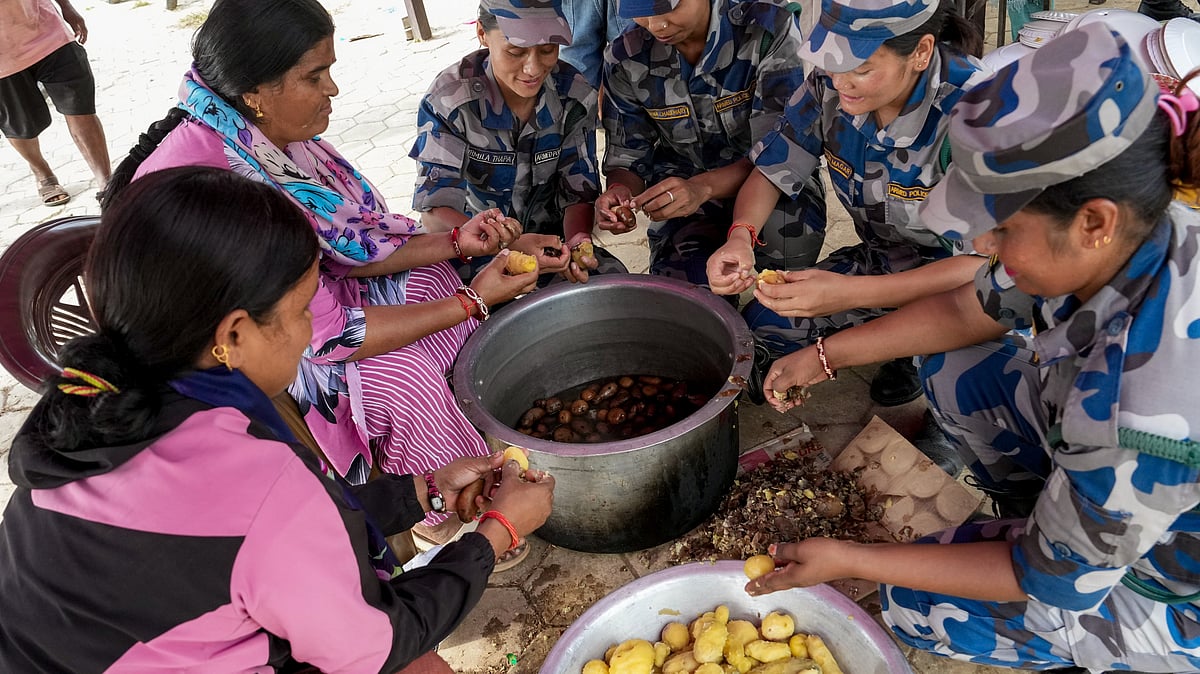
India has stepped up its humanitarian response, sending relief supplies and specialised rescue personnel to Nepal. Nepalese officials have publicly acknowledged India's assistance, while discussions are already beginning over the enormous task of reconstruction.
China has also pledged emergency assistance following the disaster along the Tibet-Nepal border. Chinese authorities have reported deaths and hundreds of missing people on their side of the border as rescue efforts continue. The combined death toll in Nepal and China has been reported at 691 in the latest updates.
Nepal's finance minister has warned that rebuilding damaged infrastructure and communities could require billions of dollars, underscoring the scale of the destruction.
Prime Minister Balendra Shah has said that saving lives remains the government's foremost priority, with the state machinery mobilised for rescue and relief operations.
As rain continues to fall over parts of the disaster zone, rescuers remain locked in a race against time — searching riverbanks, digging through mud, entering damaged tunnels and flying into isolated settlements in the hope of finding more survivors.
For a country already confronting vast destruction, the immediate challenge is to save those still alive. The longer battle — to rebuild homes, roads, bridges, hydropower projects and shattered communities — is only beginning.
If you want, I can also turn this into a tighter 500–600-word newspaper copy with a sharper headline, intro and shorter paragraphs.
With agency inputs
Join our official telegram channel (@nationalherald) and stay updated with the latest headlines