


Nepal digs through mud and grief as families search for loved ones
Death toll crosses 650, more than 2,400 remain missing as rescue teams race against time after devastating flash floods
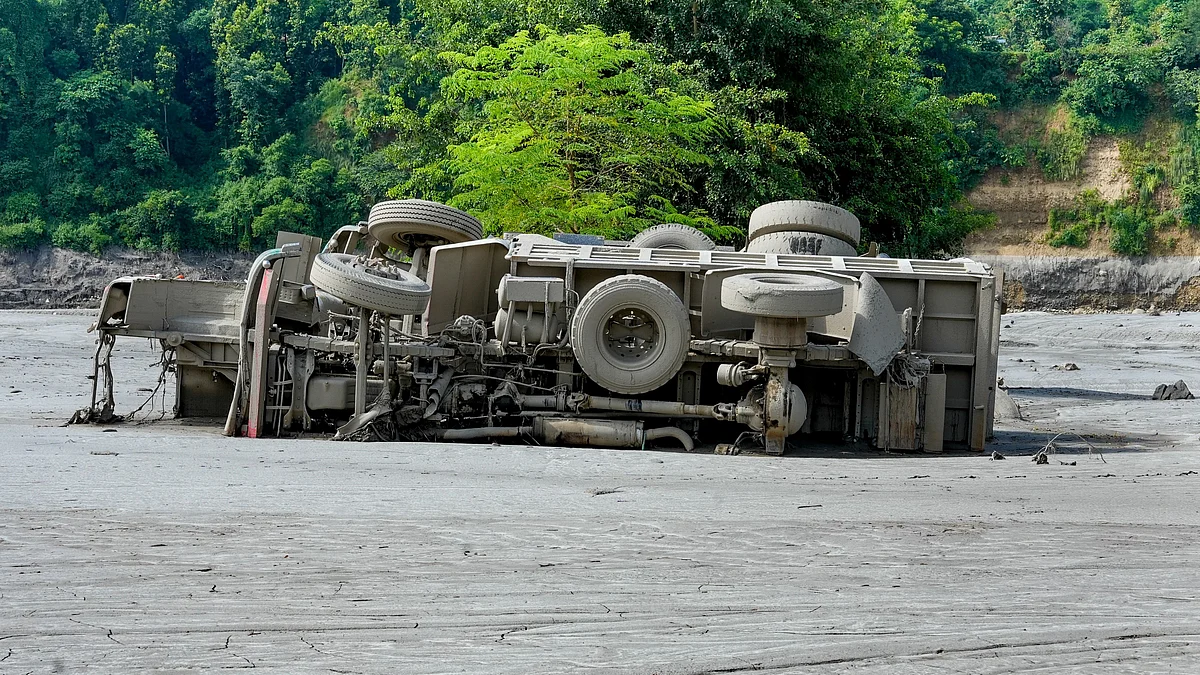


Families across flood-hit parts of Nepal continued their desperate search for missing loved ones on Saturday, lining up outside hospitals, checking photographs of the dead and combing through mud and debris left behind by devastating flash floods.
The floods that swept through towns and villages on Wednesday unleashed torrents of water, mud and debris, destroying homes, vehicles, roads and bridges and damaging hydropower infrastructure.
The death toll crossed 650 on Saturday, while more than 2,400 people remained missing. Rescue teams continued operations despite intermittent rainfall and difficult conditions in the affected areas.
Outside hospitals, anxious relatives examined lists of injured people and photographs of those killed, hoping to find information about missing family members. Those unable to locate their loved ones among survivors were left searching through lists of the dead.
Rescue personnel have been working through the day and night, dealing with fresh rain in some areas and thick layers of drying mud in others.
350 rescued from hydropower tunnel
At the Upper Trishuli 3A hydropower project, Nepal Home Minister Sudan Gurung monitored operations as excavators cleared tonnes of mud from the site.
More than 100 people had been trapped inside a tunnel following the floods. The Nepali Army has since rescued around 350 people trapped inside the tunnel, according to local reports.
The disaster has left a trail of destruction across central Nepal, with buildings buried under several feet of mud, vehicles partly submerged and roads and other infrastructure swept away.
For survivors, the immediate priorities are finding shelter, obtaining medical assistance and recovering whatever possessions can be salvaged.
Villages buried under debris
Some of the starkest scenes have emerged from Devighat village in Nuwakot district, where residents have been searching through thick mud and debris for belongings.
Damaged buildings and uprooted electricity poles were scattered across the area, while vehicles remained partially buried.
Residents were seen salvaging whatever they could. One man carried a gas cylinder through the debris, while a woman sat beside scattered corn. Another woman carrying a child walked past damaged structures and a dead dog lying amid the wreckage.
Aerial views showed extensive damage along swollen river channels, highlighting the scale of destruction caused by the floods.
Army camps provide relief
In Trishuli, an Army relief camp has become a key support centre for people affected by the disaster.
Army personnel have been assisting elderly people and children, while makeshift medical facilities are treating those injured. The camps are also helping families obtain information about people who have been rescued, killed or remain missing.
More than 15,000 security personnel have been deployed for search and rescue operations.
An 11-member Indian team comprising medical personnel and tunnel rescue experts has also arrived in Nepal to assist the country's emergency response.
Nepal Foreign Minister Shisir Khanal said around 4,500 people had been rescued so far and that the country remained on "high alert".
Further rain could hamper rescue efforts
Rescue operations remain challenging, with difficult terrain, damaged infrastructure and intermittent rainfall slowing efforts to reach some affected areas.
The country's meteorological authorities have indicated the possibility of moderate rainfall, raising concerns that further rain could complicate the search and rescue operation.
For families still waiting for news, however, the focus remains on finding their missing relatives.
As rescue teams continue to search through mud and damaged structures, Nepal is also beginning to confront the longer-term challenge of rebuilding homes, roads and other infrastructure destroyed by the floods.
Join our official telegram channel (@nationalherald) and stay updated with the latest headlines