


Netherlands detects bird flu antibodies in dairy cow, no active virus found
Authorities say human health risk is minimal as tests show no ongoing spread of H5N1 on affected farm
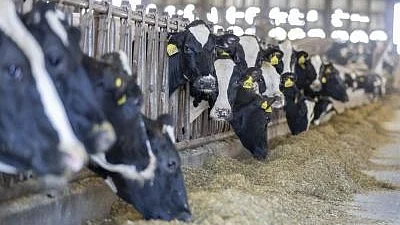


Dutch authorities have detected antibodies linked to the H5N1 avian influenza virus in a dairy cow, marking the first known instance of such antibodies being found in cattle in Europe, although no active virus has been identified and officials say the risk to humans remains very low.
In a letter to the Dutch parliament, the country’s agriculture minister said the discovery followed an investigation triggered by the death of a cat on a farm last month, which later tested positive for the H5N1 virus. As a precaution, the Netherlands Food and Consumer Product Safety Authority (NVWA) collected blood and milk samples from cattle at the same farm on 15 January.
Tests revealed that one cow had antibodies to avian influenza in its milk, indicating a previous infection. However, none of the samples showed the presence of the virus itself, and officials reported no evidence of further transmission among the herd or to other farms.
“Avian influenza antibodies have been detected in a dairy cow at a dairy farm in the municipality of Noardeast-Fryslân, in the province of Friesland,” the minister said. “There is no evidence of active viral circulation among the dairy cows on this farm, nor any signs of spread to other dairy farms.”
According to the minister, the affected cow had suffered from mastitis, a painful inflammation of the udder, along with respiratory problems in December. Its milk was not processed for consumption. All milk from the farm undergoes pasteurisation, which would inactivate any potential virus, making transmission to humans highly unlikely.
“There is very little chance that the virus from the infected cow has entered milk intended for human consumption,” the minister said, while advising the public to avoid consuming raw dairy products as a general precaution.
The case is significant as it is the first reported detection of avian influenza antibodies in cattle outside the United States, and such antibodies have not previously been identified in European dairy herds. However, officials said it remains unclear how the virus reached the farm or how both the cat and the cow were infected.
Veterinary authorities revisited the farm on 22 January, collecting fresh blood and milk samples from all cattle. Initial tests again showed no presence of the avian influenza virus, while results from additional antibody testing are expected next week. These findings will help determine whether other animals were exposed.
Other mammals on the farm, including dogs, cats and horses, have shown no symptoms. Farm workers and the attending veterinarian are also being tested by the Municipal Health Service as a precaution.
While stressing that the likelihood of humans contracting bird flu through consumption of poultry, meat or dairy products is extremely low, the minister said the overall bird flu situation in the Netherlands remains a cause for concern and continues to be closely monitored.
With IANS inputs
Join our official telegram channel (@nationalherald) and stay updated with the latest headlines