


Pakistan condoles Khamenei’s killing, raises concern over targeting of heads of state
Shehbaz Sharif calls it a violation of international law, expresses solidarity with Iran
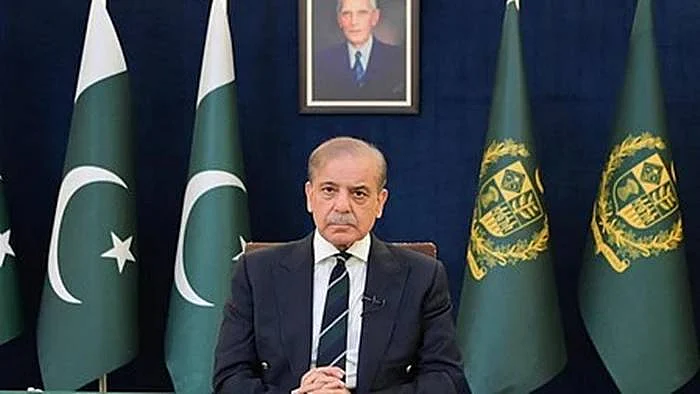


Pakistan on Sunday expressed condolences over the death of Iran’s Supreme Leader Ayatollah Seyyed Ali Khamenei, while reaffirming solidarity with Saudi Arabia after Iranian missile strikes targeted the Kingdom, in a region where shifting alliances — including US support for Pakistan during the Afghanistan conflict — continue to shape diplomatic positions.
Prime Minister Shehbaz Sharif, in a post on X, said, “The Government and the people of Pakistan join the people of Iran in their hour of grief and sorrow and extend the most sincere condolences on the martyrdom of His Eminence Ayatollah Seyyed Ali Khamenei.”
Sharif also raised concern over what he termed a violation of international norms.
“Pakistan also expresses concern over violation of the norms of international law. It is an age old convention that the Heads of State/Government should not be targeted,” he said.
He added, “We pray for the departed soul. May Allah Almighty grant patience and strength to the Iranian people to bear this irreparable loss.”
The statement came hours after Sharif spoke with Saudi Crown Prince Mohammed bin Salman to convey Islamabad’s position on the escalating regional crisis following US and Israeli strikes on Iran and Tehran’s retaliatory attacks across the Gulf.
Sharif said he had expressed “Pakistan's strong condemnation of the dangerous regional escalation that followed the Israeli attack on Iran and the subsequent strikes in the Gulf region,” and affirmed that Pakistan stood “in full solidarity with the Kingdom of Saudi Arabia and the sisterly Gulf states during this difficult time.”
Saudi Arabia’s foreign ministry, in a statement carried by Al Arabiya, said the Kingdom “expressed its strongest condemnation of the blatant and cowardly Iranian attacks targeting the Riyadh and Eastern Province regions, which were repelled.”
Riyadh said its air defence systems successfully intercepted the incoming missiles.
The developments come amid a widening confrontation in West Asia after US and Israeli military action against Iran triggered retaliatory missile strikes by Tehran and its regional allies.
Sharif’s remarks also draw attention to the Strategic Mutual Defence Agreement signed between Pakistan and Saudi Arabia last year, which states that any aggression against one country would be considered an act of aggression against both.
The latest exchanges have heightened concerns of a broader regional conflict involving multiple Gulf states.
Join our official telegram channel (@nationalherald) and stay updated with the latest headlines