


Pakistan poverty rate far higher than official figures, report finds
Independent study suggests sharp rise in urban hardship and calls for more accurate measurement methods
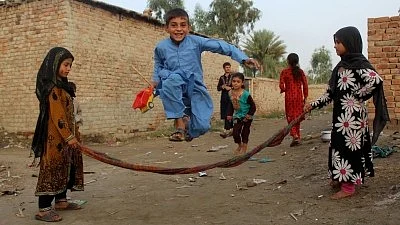


Poverty in Pakistan may be significantly higher than official estimates suggest, according to a new report that points to a widening gap between government data and independent analysis.
Research by the Social Policy and Development Centre (SPDC) puts the national poverty rate at 43.5 per cent, markedly above the 28.9 per cent figure reported by the Pakistan Bureau of Statistics and the Planning Commission. The findings indicate a difference of 14.6 percentage points, raising concerns about how living standards are being measured.
The report highlights that urban areas have experienced the steepest deterioration, with poverty rising more rapidly in cities than in rural regions. Urban poverty is estimated to have climbed from 32.1 per cent in 2018–19 to 42.1 per cent in 2024–25, while rural poverty has increased from 39.3 per cent to 44.3 per cent over the same period.
According to the analysis, around 27 million additional people have fallen below the poverty line in the past six years, reflecting a broader decline in household welfare.
The discrepancy between the two sets of figures stems largely from differing methodologies. Official estimates rely on the Cost of Basic Needs approach, which adjusts historical poverty thresholds using inflation data based on the Consumer Price Index. Critics argue that this method reflects the spending patterns of relatively better-off households and may fail to capture the true cost of living for low-income families, particularly when it comes to essential services such as healthcare and clean water.
In contrast, the SPDC uses a Food Energy Intake approach, which links household expenditure to minimum daily calorie requirements. This method takes into account household composition and sets separate benchmarks for urban and rural populations. For the current financial year, the study estimates the monthly poverty line at Rs13,476 in urban areas and Rs10,283 in rural areas—substantially higher than the official threshold of Rs8,484.
SPDC Managing Director Muhammad Asif Iqbal said the caloric approach is often considered more appropriate for developing economies, as it focuses directly on basic nutritional needs. He also argued that official poverty estimates appear disconnected from broader economic performance, which contradicts established economic understanding.
The report concludes that Pakistan is facing a widespread decline in living standards, particularly in urban centres, and stresses the need for more reliable and transparent methods to assess poverty and inequality.
Analysts warn that without clearer data, policymakers may struggle to design effective responses to address the country’s growing socio-economic challenges.
With IANS inputs
Join our official telegram channel (@nationalherald) and stay updated with the latest headlines