


Pakistan: Residents in Karachi continue to face severe water crisis
Outage comes amid a months-long water shortage that has forced residents to rely on costly tankers and private suppliers
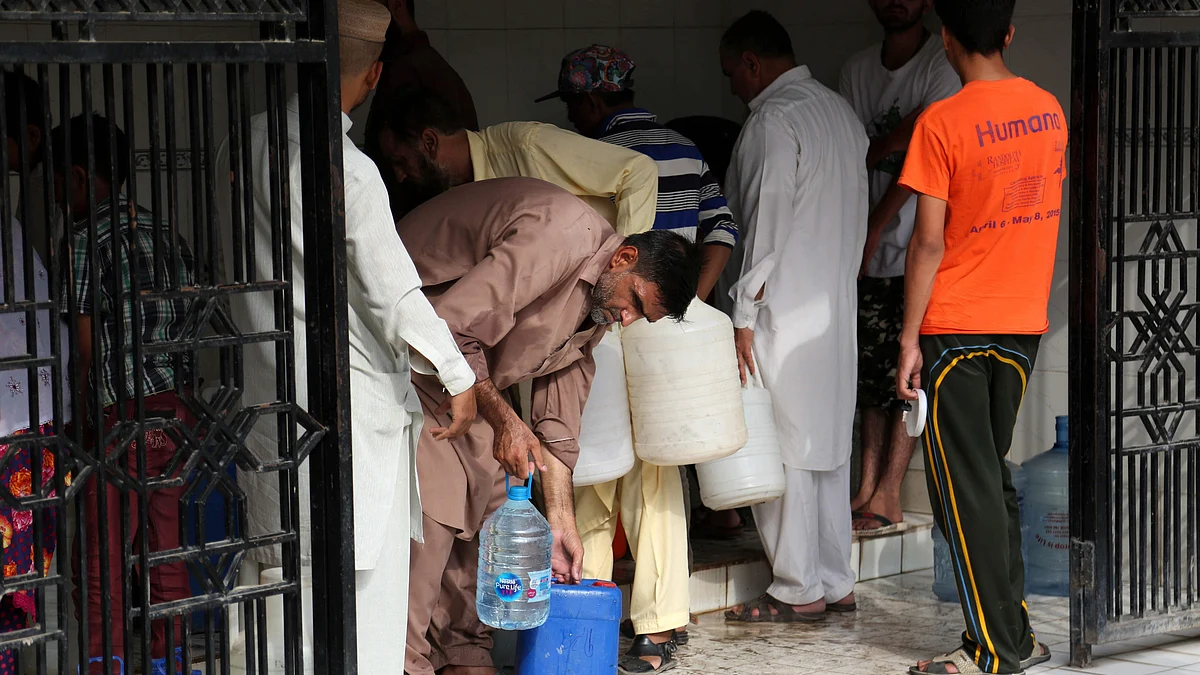


Karachi's worsening water crisis intensified over the Eid-ul-Azha period after an emergency power shutdown at the Dhabeji Pumping Station disrupted water supply to large parts of Pakistan's largest city, leaving thousands of residents scrambling for water.
The outage comes amid a months-long shortage that has forced many households to depend on expensive water tankers and private suppliers, with some areas reporting disrupted supply for weeks and others for more than two months.
According to the Karachi Water and Sewerage Corporation (KWSC), the disruption was triggered by a major fault in a transformer at the Dhabeji Grid Station, which supplies power to the city's key water transmission infrastructure.
"As a result of the power outage, 10 out of 21 pumping units at the Dhabeji Pumping Station were forced to shut down, significantly affecting the city's water transmission system and disrupting water supply to various parts of Karachi," KWSC said.
The utility said K-Electric initially indicated that the shutdown would last around an hour, but no definitive timeline for full restoration of power and water supply has been provided.
"The KWSC is closely monitoring the situation and remains in constant contact with K-Electric officials to ensure the earliest possible restoration of electricity and the resumption of normal water supply operations," it said.
The latest disruption has compounded hardships during Eid celebrations, when water demand typically rises for ritual washing, sanitation and livestock care.
Residents described recurring water shortages during major religious occasions as a familiar pattern.
Many families were forced to purchase water tankers, but limited availability and soaring prices left numerous households struggling to secure supplies.
Since March, Karachi has faced repeated water disruptions caused by pipeline bursts, underground leakages, damage to key transmission lines and frequent power failures at pumping stations.
KWSC Chief Executive Officer Ahmed Ali maintained that the utility had taken steps to ensure normal supply during Eid but blamed recurring electricity breakdowns for the crisis.
The issue has also sparked political protests.
Lawmakers from the Muttahida Qaumi Movement-Pakistan (MQM-P) staged a demonstration inside the Sindh Assembly earlier this week, demanding immediate restoration of water supply ahead of Eid.
Shouting slogans of "Give water to Karachi", the legislators accused authorities of failing to address the city's chronic shortages.
Opposition Leader Ali Khurshidi said residents were facing severe hardship.
"Karachi is thirsty for every drop of water while the authorities watch like silent spectators," he said.
Khurshidi claimed even he had been unable to secure a water tanker despite trying for two days, highlighting the scale of the shortage.
Responding to the criticism, Sindh law and parliamentary affairs minister Ziaul Hassan Lanjar pointed to the under-construction K-IV water supply project and urged MQM-P, a constituent of the federal government, to push for its speedy completion.
With no clear timeline for the restoration of normal supply and demand remaining high, Karachi's prolonged water crisis continues to test residents' patience and expose the city's fragile infrastructure.
With IANS inputs
Join our official telegram channel (@nationalherald) and stay updated with the latest headlines