


‘Pointless trade war’: Trump’s Canada tariffs draw Senate fire
Five Democratic US senators warn that rising tariffs could increase prices, hurt businesses and farmers, and strain US-Canada trade
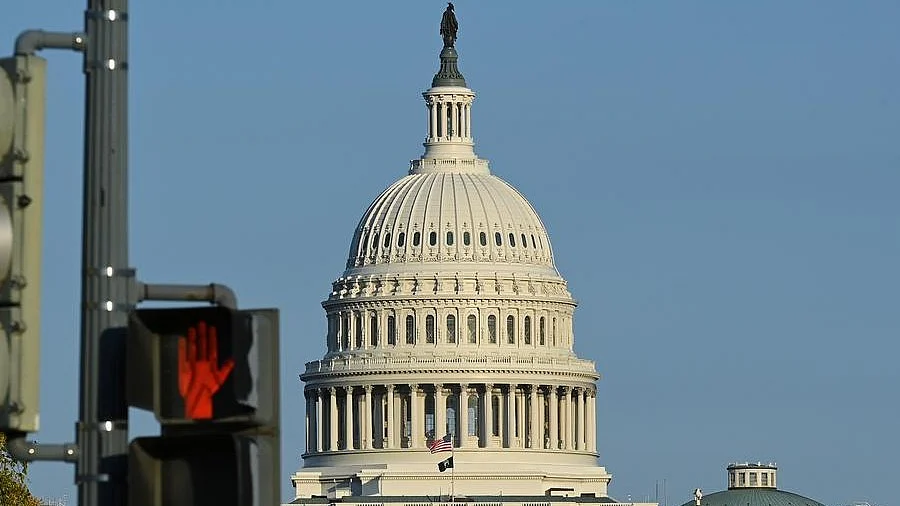


Five Democratic US senators have criticised President Donald Trump’s latest trade measures against Canada, warning that escalating tariffs could raise consumer prices, put pressure on American businesses and farmers, and damage one of the United States’ most important trading relationships.
Senators Amy Klobuchar, Chris Coons, Patty Murray, Jeanne Shaheen and Elissa Slotkin said their states have strong economic ties with Canada and depend heavily on cross-border trade. In a joint statement issued on Wednesday, the lawmakers accused Trump of “doubling down on a pointless trade war” rather than working with a longstanding US ally.
“The states we represent rely on Canada as a key trading partner and our primary export market,” the senators said, stressing that the two countries share extensive economic, security and defence ties.
The senators said the latest trade restrictions could affect a wide range of American businesses and consumers, particularly small businesses, farmers, manufacturers and working families.
They warned that higher tariffs could increase the cost of lumber, plywood and construction equipment, potentially adding to the expense of building new homes. Industries involved in automobile, aircraft and machinery manufacturing could also face higher costs because of disruptions to established North American supply chains.
Consumers, the lawmakers said, could ultimately pay more for everyday goods such as milk, clothing and paper products.
The senators also claimed that Trump's earlier tariffs had already cost some American families as much as $5,000. However, their statement did not explain the methodology or evidence behind that estimate.
The latest confrontation follows Canada's retaliatory tariffs on roughly $20 billion worth of US exports. The White House said Canada's measures targeted American products including steel, dairy goods and agricultural equipment.
In response, the Trump administration announced a new series of restrictions on Canadian imports. The White House said Trump had signed five proclamations under Section 338 of the Tariff Act of 1930, a provision that allows the president to restrict imports in response to discriminatory treatment of US goods.
Under the new measures, certain Canadian alcoholic beverages, dairy products and other goods already subject to 50 per cent tariffs will be banned from entering the United States. Those import bans are scheduled to take effect on 29 September.
The administration also modified the list of products affected by the tariffs. Rock salt and cement were removed from the tariff list, while additional goods — including all-terrain vehicles and more dairy products — were added. Those changes are scheduled to take effect on 15 September.
The White House said the measures would apply even to qualifying Canadian goods covered by the United States-Mexico-Canada Agreement, or USMCA.
The Trump administration argues that the new restrictions are necessary to protect American farmers, manufacturers and workers. It has accused Canada of imposing additional retaliatory measures and continuing what it described as discriminatory treatment of important US exports.
The dispute is particularly significant because the United States and Canada maintain one of the world's largest bilateral trading relationships. Businesses in both countries rely heavily on cross-border supply chains, particularly in sectors such as automobiles, agriculture, energy and manufacturing.
The Democratic senators, however, argue that escalating tariffs could undermine rather than strengthen American economic interests.
The lawmakers also warned that prolonged tensions with Canada could have consequences beyond the immediate impact of tariffs.
They said Canada's businesses and government could increasingly seek alternative markets and suppliers, potentially reducing their dependence on the United States and expanding commercial relationships with countries such as China.
“While American families and businesses suffer from Trump’s trade wars, partners around the world, including Canada, are increasingly looking to diversify away from the United States and deepen trade ties with other countries including China,” the senators said.
They argued that losing Canada's economic dependence on the United States could weaken America's broader commercial influence and give competitors greater opportunities to expand their presence in North American markets.
Senator Amy Klobuchar has emerged as one of the leading congressional opponents of Trump's latest tariff programme. She is a lead sponsor of legislation that would seek to revoke the newest global tariffs as well as the 50 per cent tariffs imposed on Canadian goods.
Klobuchar has also joined Republican Senator Chuck Grassley and Democratic Senator Maria Cantwell in introducing the Trade Review Act. The proposed legislation would require congressional approval of new tariffs within 60 days.
The proposal reflects a broader debate in Congress over the balance of power between the president and lawmakers on trade policy.
With agency inputs
Join our official telegram channel (@nationalherald) and stay updated with the latest headlines