


Princess Bajrakitiyabha, champion of justice reform in Thailand, dies aged 47
The princess had remained under medical care since suffering a serious illness in 2022
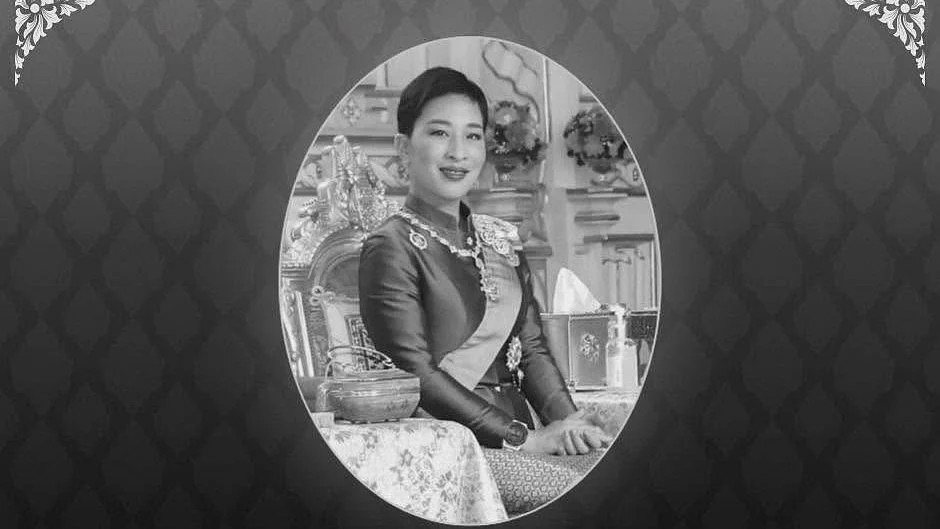


Thailand's Princess Bajrakitiyabha Mahidol, the eldest child of King Maha Vajiralongkorn and a prominent advocate for justice reform and women's rights, has died at the age of 47 after spending more than three years under intensive medical care.
The Bureau of the Royal Household announced that the princess died on Thursday evening at a Bangkok hospital where she had been receiving treatment since collapsing in December 2022.
Her death has prompted an outpouring of grief across Thailand, where she was widely admired for her legal expertise, humanitarian work and commitment to social justice.
Prime Minister Anutin Charnvirakul described the loss as a moment of profound national sorrow, saying the princess had left behind a lasting legacy through her efforts to promote fairness, equality and compassion.
Mourners gathered outside King Chulalongkorn Memorial Hospital in Bangkok following the announcement, many carrying photographs of the princess and paying tribute to a royal figure who had earned respect far beyond ceremonial duties.
Princess Bajrakitiyabha was hospitalised in December 2022 after losing consciousness while training dogs for an Army event. Palace officials later said she had suffered complications linked to a mycoplasma infection, a bacterial illness commonly associated with pneumonia. She never returned to public life.
Born on 7 December 1978, Bajrakitiyabha was the daughter of then Crown Prince Vajiralongkorn and Princess Soamsawali. Known formally as Princess Bajrakitiyabha Narendira Debyavati in state functions, she was regarded as one of the most accomplished members of Thailand's royal family.
Educated in law, she graduated from Thammasat University before pursuing advanced studies at Cornell University in the United States, where she earned both a master's degree and a doctorate in law. Her academic work focused on the rights of accused persons within the justice system.
After returning to Thailand, she worked as a public prosecutor and later served in diplomatic roles, including as Thailand's ambassador to Austria between 2012 and 2014. She subsequently devoted much of her public life to criminal justice reform and social welfare initiatives.
Among her most recognised projects was the Kamlangjai, or "Inspire", programme, which supported the rehabilitation and reintegration of female prisoners. She also played a key role in improving conditions for incarcerated women and advocating measures to combat violence against women.
Her efforts gained international recognition and contributed to the adoption of the United Nations' "Bangkok Rules", a global framework governing the treatment of female prisoners and non-custodial measures for women offenders.
In 2017, she was appointed a goodwill ambassador for the United Nations Office on Drugs and Crime, further expanding her work on justice and human rights issues.
Although Thailand's succession laws favour male heirs, Bajrakitiyabha's extensive public service experience and prominent role within the royal family had led to periodic speculation that she could play an influential role in the monarchy's future.
Throughout her career, she frequently emphasised the importance of the rule of law, arguing that justice and stability were essential foundations for economic development, human rights and social progress.
Princess Bajrakitiyabha is survived by King Maha Vajiralongkorn, Queen Suthida, her mother Princess Soamsawali and her siblings.
With IANS inputs
Join our official telegram channel (@nationalherald) and stay updated with the latest headlines