


Rising fuel prices deepen economic strain in Pakistan: Report
Pakistan is entering a difficult phase of economic management as petrol and high-speed diesel prices move close to Rs 400 per litre
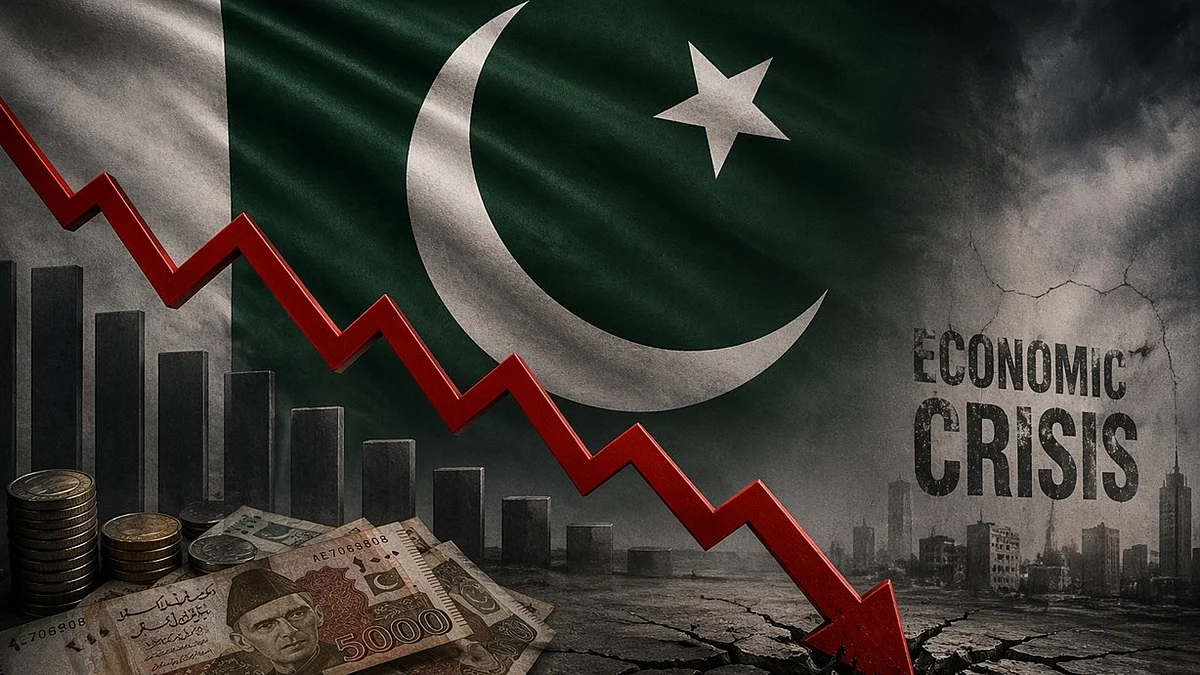


Pakistan is entering a difficult phase of economic management as petrol and high-speed diesel prices move close to Rs 400 per litre, intensifying pressure on households, businesses and the government, according to a report by Pakistan-based The News International.
The report said the State Bank of Pakistan’s decision to raise the policy rate to 11.5 per cent has further strained borrowers already grappling with soaring inflation and slowing growth.
“While citizens are bearing the brunt of inflation, the government is risking its political capital by making unpopular decisions,” the report said.
Pakistan’s inflation rate jumped sharply to 10.9 per cent year-on-year in April from 7.3 per cent in March, prompting tighter monetary measures by the central bank.
The report warned that Pakistan’s heavy dependence on Gulf economies — both for energy imports and remittances from overseas workers — has left the country particularly vulnerable to the fallout from the ongoing West Asia conflict.
“Besides expensive energy shipments, a slowdown in Gulf construction, tighter regional financial conditions or delayed hiring due to the ongoing war can hit Pakistan through workers’ income as well as capital flows,” it noted.
Citing International Monetary Fund estimates, the report said a 10 per cent rise in global oil prices typically cuts GDP growth by around 0.5 percentage points and increases inflation by roughly 1 percentage point for oil-importing economies in the MENAP region — comprising the Middle East, North Africa, Afghanistan and Pakistan.
For Pakistan specifically, such an oil shock could worsen the current account deficit by about 0.3 percentage points of GDP and widen the fiscal deficit by roughly 0.1 percentage points.
Analysts quoted in the report estimated that if crude oil prices remain near $100 per barrel, Pakistan could face a current-account stress of nearly Rs 1.38 trillion and an additional fiscal burden of about Rs 459 billion based on the country’s FY25 nominal GDP estimate of Rs 114.7 trillion.
The report further warned that the West Asia conflict and disruptions around the Strait of Hormuz have pushed Pakistan’s already fragile inflation outlook into “more dangerous territory”.
“The closure of the Strait of Hormuz and the Iran war have caused the largest oil-supply disruption on record, measured by daily output lost,” the report said, adding that peak losses have crossed 12 million barrels per day — equivalent to nearly 11.5 per cent of global oil demand.
Unlike previous oil crises centred mainly on crude supplies, the current disruption is also affecting natural gas, refined fuels and fertiliser imports, worsening the economic strain on import-dependent countries like Pakistan.
With IANS inputs
Join our official telegram channel (@nationalherald) and stay updated with the latest headlines