


Russian FM holds talks with Iranian counterpart, urges restraint
Sergei Lavrov says the situation “has no military solution” and underlines need to prevent a return to armed confrontation
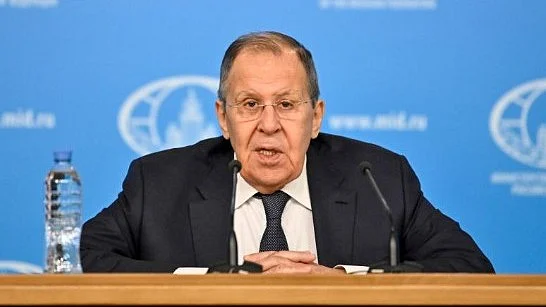


Russian foreign minister Sergei Lavrov has urged restraint and warned against further escalation during talks with his Iranian counterpart Abbas Araghchi, even as Moscow reaffirmed its willingness to assist in resolving the ongoing crisis.
According to a statement from Russia’s foreign ministry, Lavrov stressed that the situation “has no military solution” and underlined the need to prevent a return to armed confrontation. “Lavrov emphasised the importance of preventing a relapse into armed confrontation and reaffirmed Russia’s readiness to assist in resolving the crisis,” the ministry said, adding that Moscow continues to push for a broader regional security framework in the Persian Gulf.
During the conversation, Araghchi briefed Lavrov on recent Iran-US talks held in Islamabad on 11 April and raised concerns over American actions in key maritime zones. He warned that US activity in the Persian Gulf and the Strait of Hormuz could have “serious consequences” for regional and global stability, according to Iran’s Fars News agency.
Moscow, in its readout, welcomed continued diplomatic engagement and called for solutions addressing the “root causes” of the conflict while respecting the “legitimate interests” of Iran and its neighbours.
Lavrov also conveyed condolences over the reported killing of senior Iranian diplomat Kamal Kharrazi in an airstrike, describing it as a “brutal” incident.
The diplomatic outreach comes amid heightened tensions following the US decision to enforce a maritime blockade on vessels entering or leaving Iranian ports from April 13, after talks between Washington and Tehran failed to produce a breakthrough on key issues, including Iran’s nuclear programme.
Separately, Kremlin spokesperson Dmitry Peskov cautioned that the US blockade of the Strait of Hormuz is likely to negatively impact global markets. “Such actions will most likely continue to have an adverse effect on international markets,” he said, while noting that many details surrounding the move remain unclear.
Meanwhile, Lavrov has arrived in China for a two-day official visit, where he is scheduled to hold talks with foreign minister Wang Yi. The discussions are expected to cover bilateral cooperation and key global issues, including the conflicts in Ukraine and West Asia, as well as coordination in multilateral forums such as the UN, BRICS, SCO, G20 and APEC.
With IANS inputs
Join our official telegram channel (@nationalherald) and stay updated with the latest headlines