


Fresh strikes hit Riyadh, Sanaa airports as Saudi-Houthi conflict escalates
Projectile reportedly hits Riyadh airport day after missile attack; Houthis report fresh strike on Sanaa airport, threaten further attacks
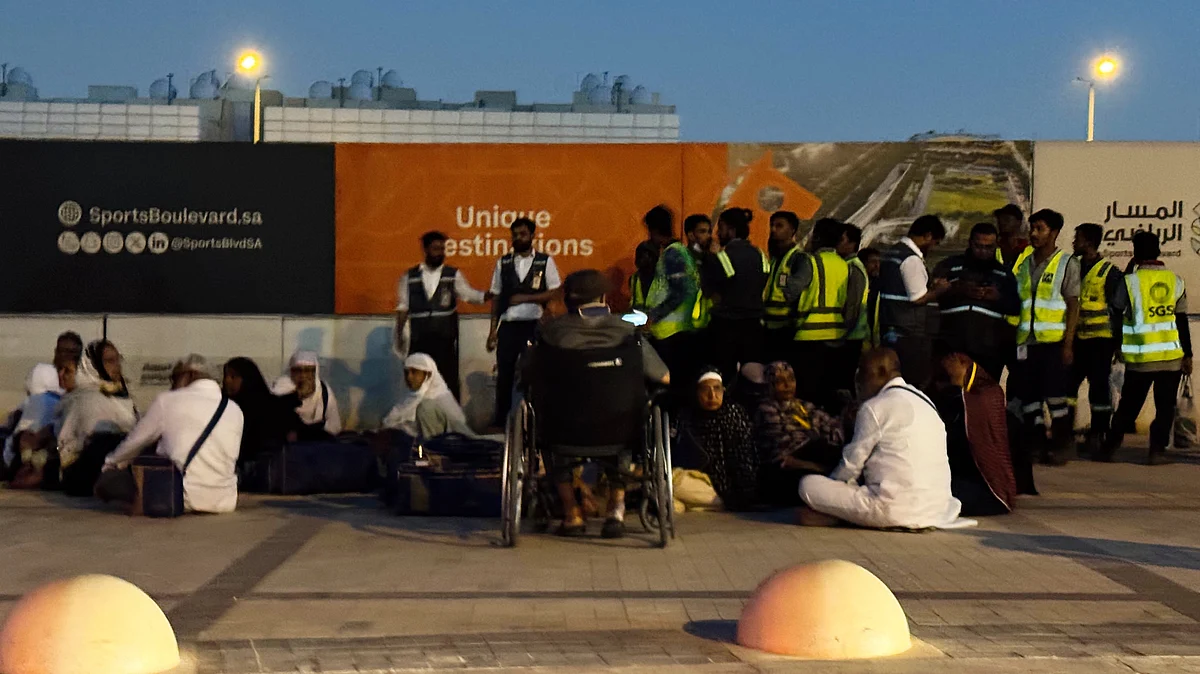


Fresh strikes hit airport facilities in Riyadh and Yemen’s Sanaa as Saudi-Houthi hostilities intensify.
Riyadh airport remains shut and schools move online after Saturday’s attack killed 12 and injured more than 300.
Donald Trump weighs US intervention as Houthi threats raise fears of disruption to regional shipping and global oil supplies.
Fresh strikes hit airport facilities in Saudi Arabia’s capital Riyadh and Yemen’s rebel-held capital Sanaa on Sunday, 11 October, deepening fears of a wider regional escalation as the Saudi-led coalition and Iran-backed Houthi rebels traded threats.
A projectile struck a passenger terminal at Riyadh’s King Khalid International Airport on Sunday, according to the Saudi-led coalition fighting the Houthis in Yemen. The strike came less than a day after a missile attack on the same airport killed 12 people and wounded more than 300.
Separately, Houthi-run Al Masirah television reported that Sanaa International Airport had been struck again, blaming Saudi Arabia. Riyadh had not immediately commented on the reported strike, and details of the damage and casualties remained unclear, Reuters reported.
The latest attacks mark a sharp escalation in the conflict, raising concerns that the fighting could spread further and threaten commercial aviation, regional security and oil supplies.
Riyadh airport remains closed
Saudi Arabia kept its main international airport closed on Sunday after Saturday’s deadly missile strike. Schools in Riyadh were moved to online learning as the kingdom braced for further attacks.
The Houthis, who have targeted Saudi airports, military installations and oil facilities in recent days, warned airlines, passengers and airport staff to avoid Saudi airports and airspace, citing the risk of further strikes. The group exempted Mecca and Medina from its warning.
Saturday’s attack was the deadliest on a Gulf Arab country since the US-Iran war began in March. The victims included Saudi and foreign nationals, among them people from Bangladesh, Palestine, the United States, Egypt, Jordan, Syria and Sudan. The Houthis had not claimed responsibility for that particular strike in the reports available.
Trump weighs US intervention
The escalation could draw the United States more deeply into the conflict. US President Donald Trump has said he is considering joining Saudi strikes against the Houthis, though no decision to intervene had been announced.
Any wider US involvement could further complicate efforts to end the seven-month-old US-Iran war. The Houthis’ threats have also raised concerns about disruption to shipping through the Bab el-Mandeb Strait, a strategic maritime passage, and the impact on global energy supplies.
The Saudi-led coalition has vowed a firm response to Saturday’s attack, while the Houthis have warned that further strikes could follow if Saudi military operations continue. The latest exchange leaves the region facing the risk of a broader confrontation, with airport operations and vital trade routes increasingly exposed.
With AP/PTI inputs
Join our official telegram channel (@nationalherald) and stay updated with the latest headlines