


Spain lets virus-hit cruise ship dock in Canary Islands amid hantavirus scare
Three dead, several need urgent care after rare hantavirus outbreak on cruise off Cape Verde
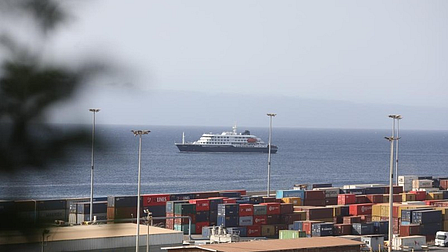


Spain has authorised a luxury cruise ship affected by a deadly hantavirus outbreak to dock in the Canary Islands after health authorities said nearby Cape Verde lacked the facilities to handle the emergency.
The Spanish Ministry of Health confirmed late on Tuesday that the Dutch-flagged expedition ship, MV Hondius, would be permitted to sail to the Canary Islands from waters off Cape Verde, where it had been anchored following multiple infections on board.
Al Jazeera reported that Spanish officials said the decision followed guidance from the World Health Organization (WHO), which indicated that the West African island nation was unable to accommodate the vessel’s 147 passengers and crew members.
“The Canary Islands are the closest location with the necessary capabilities,” the ministry said, adding that Spain had “a moral and legal obligation” to assist those on board, including several Spanish citizens.
The ministry also confirmed it would receive a medical evacuation flight carrying the ship’s Dutch doctor, who is reported to be critically ill.
The outbreak has claimed the lives of a Dutch couple and a German national since early April. A British passenger who was evacuated earlier is currently receiving intensive care treatment in South Africa after testing positive for the virus.
According to cruise operator Oceanwide Expeditions, two crew members also require urgent medical attention, while another suspected case has so far shown only mild symptoms.
Spanish authorities said the ship would continue to the Canary Islands after critically ill individuals had been evacuated. The three-day journey is expected to end in either Gran Canaria or Tenerife.
Passengers and crew will undergo medical examinations, treatment and repatriation procedures upon arrival, coordinated by Spain’s health authorities alongside the WHO and the European Centre for Disease Prevention and Control.
Officials said strict health protocols would be enforced throughout the operation, including specialised transport and isolation measures designed to minimise contact with the public and safeguard healthcare workers.
The WHO said the vessel had departed Ushuaia in Argentina on 1 April for Cape Verde with 88 passengers and 59 crew members from 23 countries on board.
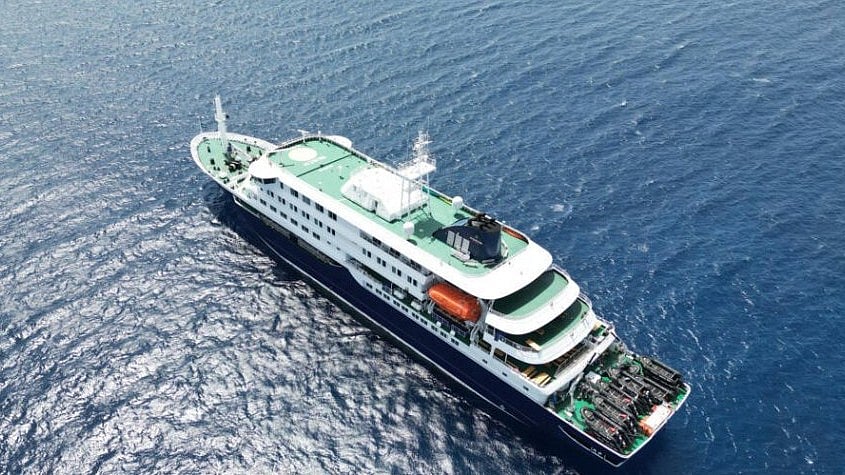
WHO official Maria Van Kerkhove said preliminary investigations suggested limited human-to-human transmission may have occurred among close contacts aboard the ship.
“We do believe that there may be some human-to-human transmission happening among really close contacts, such as people sharing cabins,” she told reporters in Geneva.
However, the WHO stressed that the overall risk to the public remained low, noting that hantavirus is generally transmitted through exposure to infected rodents, particularly via urine, saliva or droppings.
Van Kerkhove said the agency believed the Dutch couple may have contracted the virus before boarding the ship while travelling in Argentina, where rare cases linked to the Andes strain of hantavirus have previously been recorded.
Other infections may have occurred during bird-watching excursions to remote islands inhabited by rodents, which formed part of the expedition itinerary.
The Hondius cruise had travelled through Antarctica, South Georgia and Tristan da Cunha, marketing itself as a high-end polar nature expedition with ticket prices ranging between €14,000 and €22,000.
The first passenger to die, a Dutch man, passed away on 11 April. His body remained aboard until 24 April, when it was removed on the island of St Helena for repatriation.
His wife later developed symptoms during a flight to Johannesburg and died shortly after arriving at hospital on 26 April, according to the WHO.
South African health authorities confirmed that the British passenger being treated in Johannesburg had tested positive for hantavirus, while contact tracing efforts remain under way for fellow travellers and passengers exposed during evacuation flights.
With IANS inputs
Join our official telegram channel (@nationalherald) and stay updated with the latest headlines