


Stop hitting Russian diesel infra: Trump to Zelenskyy
US president says attacks are causing fuel shortages as wider energy-market disruptions put pressure on global diesel supplies
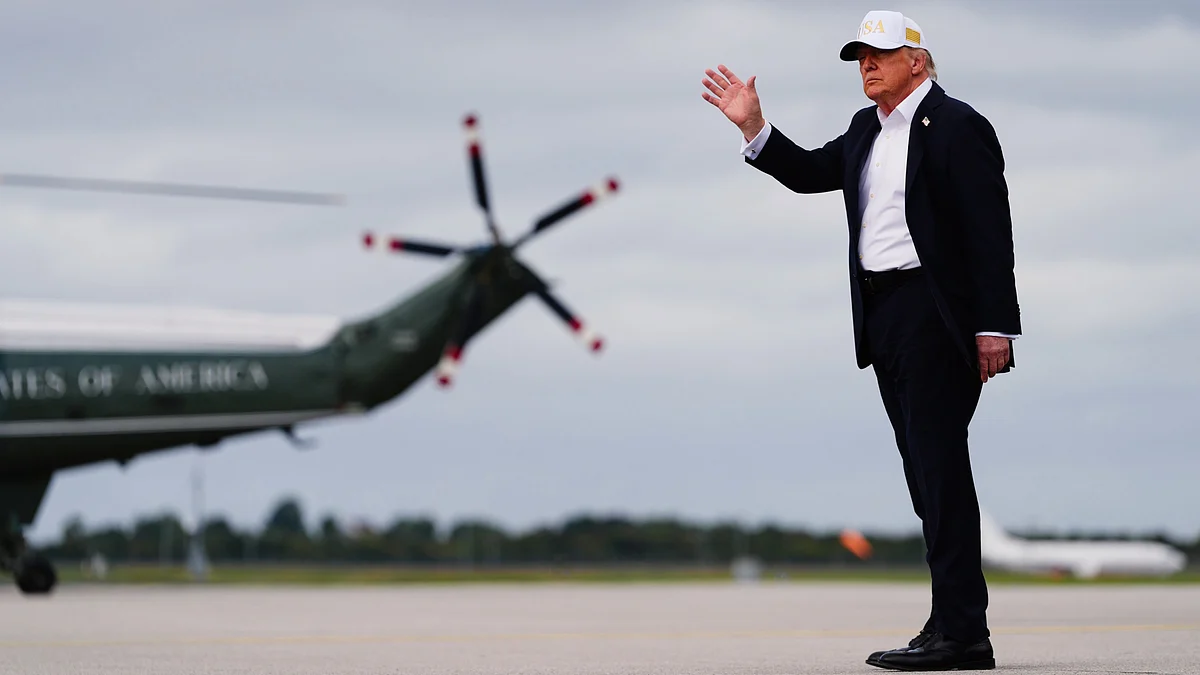


US President Donald Trump on Sunday, 13 September urged Ukrainian President Volodymyr Zelenskyy to stop targeting Russian diesel infrastructure, claiming that the attacks were contributing to a global fuel shortage.
Asked whether he had spoken to Zelenskyy after his recent conversation with Russian President Vladimir Putin, Trump told reporters on the sidelines of the Irish Open at his Doonbeg golf club in Ireland that the Ukrainian president should halt the attacks.
“Mr Zelenskyy has to do one thing. He has to stop knocking out diesel fuel in Russia,” Trump said. “Let him go after targets but not diesel fuel, because he’s causing a shortage of diesel fuel.”
Trump added that Ukraine’s attacks were “hurting the world” and insisted that the energy crisis was not being caused by the Middle East (West Asia). “This isn’t done by the Middle East, this is done by what’s happening with Russia and Ukraine,” he said.
Ukraine has increasingly targeted Russian refineries, fuel depots and other energy facilities as part of its effort to disrupt supplies to the Russian military and damage a major source of revenue for Moscow. Such attacks can reduce the availability of refined products, particularly diesel, and put pressure on regional and international fuel markets.
Russia is a major oil producer and exporter, and damage to its refining capacity could further tighten diesel supplies, increase competition for alternative sources and add to inflationary pressures. However, energy prices are also shaped by several other factors, including refinery outages, depleted inventories, shipping disruptions, seasonal demand and wider geopolitical tensions.
Trump’s remarks come amid growing concern over energy supplies and rising fuel prices following disruptions linked to the conflict involving Iran. His insistence that the crisis was not being caused by the Middle East appeared to distance his own regional intervention from the energy-market fallout, although the full extent of the conflict’s impact on global prices remains a matter of assessment.
The comments also highlight a potential tension in Washington’s approach to Russian energy. The US has pressed countries to reduce or end purchases of Russian oil and gas in an effort to deprive Moscow of revenue used to finance the war. Ukraine’s attacks on refineries and fuel infrastructure serve a similar strategic purpose by weakening Russia’s energy and military logistics networks.
For Kyiv, Russian refineries and diesel facilities are not simply commercial targets. They help supply the Russian armed forces and sustain Moscow’s war effort. Any demand that Ukraine spare them could therefore limit one of its principal means of imposing costs on Russia beyond the battlefield.
Trump’s intervention also comes amid criticism that he has been more willing to pressure Kyiv than Moscow. Although he has occasionally expressed frustration with Putin and condemned Russian attacks, he has generally avoided sustained, unequivocal criticism of the Russian president over the invasion. Instead, he has repeatedly focused on ending the war through negotiations, at times blaming Ukraine for the conflict or publicly berating Zelenskyy, including one memorable occasion in the White House.
That imbalance has fuelled concerns in Kyiv and among its allies that Washington’s pressure on Ukraine to moderate its military response could weaken its position while leaving Moscow’s responsibility for the war insufficiently addressed.
With AP/PTI inputs
Join our official telegram channel (@nationalherald) and stay updated with the latest headlines