


Suspense over Iran-US peace plan: A ‘deal’ which does not look like a ‘done deal’
Trump's claims on Hormuz, nuclear curbs and Iran aid sparks backlash from hardliners accusing Tehran's negotiators of yielding too much to Washington
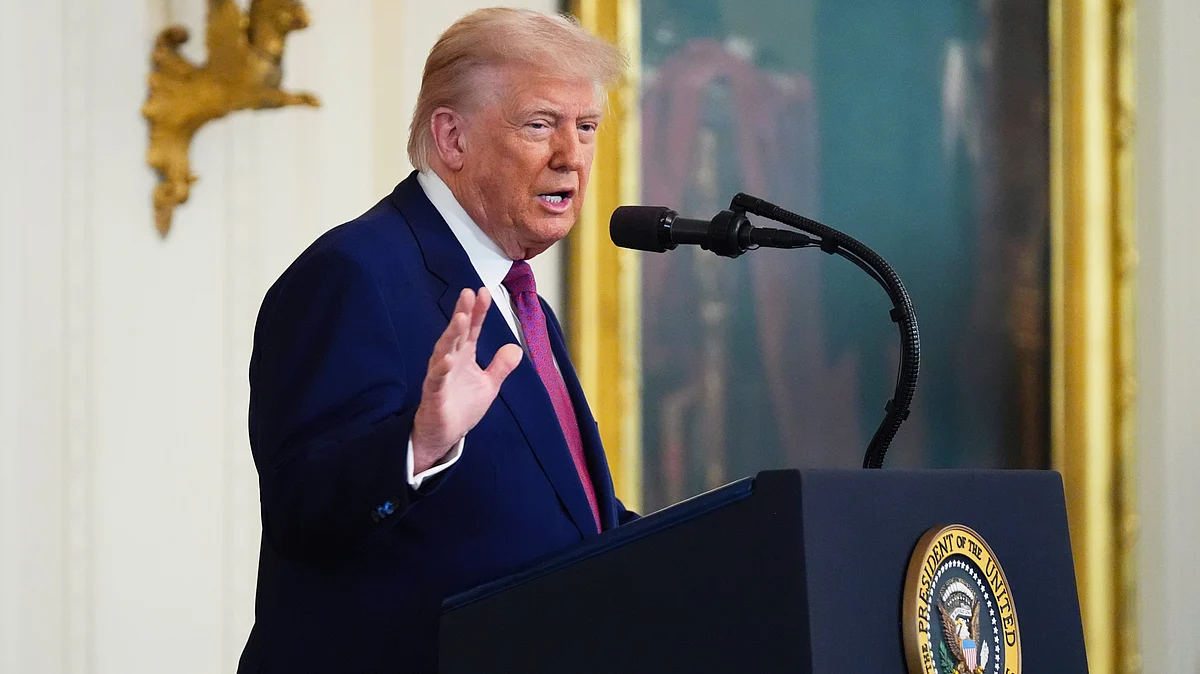


Western media outlets, including the Al Jazeera, are reporting growing protests in Iran against negotiators accused of conceding too much to the US. With no authentic text of the agreement expected to be signed in Geneva on Friday yet available, the exact terms remain unclear. What is evident, however, is the widening gap between the Iranian and American narratives.
While the Iranian narrative maintains that ships passing through the Strait of Hormuz will pay a "management fee" to Iran and Oman, US President Donald Trump has dismissed such claims as "fake news", insisting that passage through the waterway will remain toll-free. Iranian media have also celebrated the reported release of frozen Iranian assets by Western powers, yet Western coverage of the proposed peace plan has been notably silent on the issue. Similarly, Iranian outlets have claimed that Washington agreed to stop interfering in Iran's sovereignty, a contention seemingly contradicted by Trump's own statements. And while Tehran views the ceasefire as a permanent arrangement, Western media reports suggest it may amount to only a temporary pause contingent on Iran's "good behaviour".
It is a little rich, considering it is the United States and Israel which attacked Iran without any provocation in both 2025 and on 28 February, 2026. The airstrikes on the very first day killed 40 top leaders, advisors, scientists and military officials in Iran besides hitting a primary school, killing 168 children and their teachers. In the days of targeting by Artificial Intelligence, there is no way the US was not aware of what they were doing. Indeed, the Americans and Israel boasted of the assassination while evading the issue of bombing the school. It was again the US which sunk an Iranian naval ship in the Indian Ocean which was returning from a ceremonial visit to an Indian port.
Both the rogue nations, however, demand ‘good behaviour’ from Iran. If reports of growing protests in Iran are true, it would be extremely difficult for Iranian negotiators to sign a peace deal on Friday.
Reports in the Iranian media have claimed that Iran will gain access to $24 billion in frozen assets and enjoy suspension of oil sanctions. Iranian media insist talks will focus only on enrichment and sanctions relief, excluding missiles and regional proxies. Iranian outlets highlight US commitments to non-interference in Iran’s internal affairs and some reports mentioned that the US and allies are ready to offer a $300 billion in reconstruction plans. In return, Iran would restrict the enrichment of uranium.
An even more striking divergence is on nuclear weapons. While the Iranian narrative hold that the issue will be negotiated in future, the western media reports categorically state that Iran had agreed to never have nuclear weapons. Pointing out that the final text of the deal has not been published yet, western narratives claim that key issues remain unresolved. The peace plan, at best, will restore the status-quo-ante or the situation prevailing before the unilateral strikes by US and Israel on Iran on 28 February.
US President Donald Trump declared on Truth Social on Monday that “Iran has agreed to never have a Nuclear Weapon!”, which according to the western media narrative, is a key clause in the memorandum of understanding (MOU) signed by Washington and Tehran on Sunday to end more than 100 days of war. In the same post, Trump pushed back sharply on financial reporting around the deal. “…the story that the US is paying Iran 300 million Dollars is Fake News, put out by the Democrats!!!” he wrote.
To add to the uncertainty, the chief of Iran's Islamic Revolutionary Guard Corps (IRGC) ruled out dismantling Hezbollah or allowing toll-free passage through the Strait of Hormuz — two key demands of the US and Israel. He also rejected calls to disband resistance groups such as Ansar Allah and the Houthis. Even as Trump claimed the Strait would be "completely free" by 19 June, Iranian foreign minister Seyed Abbas Araghchi struck a cautious note. "We have a history of broken commitments. We have a history of agreements being torn up. All of this is present in our minds," he wrote on X.
Join our official telegram channel (@nationalherald) and stay updated with the latest headlines