


Tesla sets 1 October unveiling for long-delayed next-generation roadster
The unveiling is expected to offer the clearest look yet at Tesla’s electric performance flagship
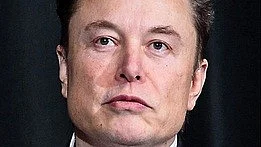


Tesla is set to unveil its long-awaited next-generation Roadster on 1 October, nearly nine years after the electric vehicle maker first introduced plans for the high-performance sports car, CEO Elon Musk said.
The announcement marks a significant step forward for a project that has faced repeated delays and missed launch targets since its debut in 2017.
Tesla's official account on X posted “Go for launch” alongside a graphic displaying 1 October as the date of the event. Tesla CEO later confirmed the announcement, writing: “New Tesla Roadster Unveil 10.01.”
The unveiling is expected to provide the clearest look yet at a vehicle that Tesla has positioned as a flagship demonstration of electric performance.
Tesla first revealed the second-generation Roadster in November 2017, promising a high-performance electric sports car capable of competing with some of the world's fastest supercars.
At the time, the company said deliveries were expected to begin in 2020. That deadline passed without the Roadster entering production, and the project has since been repeatedly delayed as Tesla concentrated on expanding production of its mass-market vehicles and developing new technologies.
The 1 October event will therefore be closely watched by Tesla customers, investors and automotive enthusiasts eager to see whether the company is finally ready to move the Roadster from an extended development programme into production.
The Roadster's development has reportedly changed substantially since its original presentation.
Earlier plans were understood to involve using technology and components derived from Tesla's Model S Plaid platform. More recent reports indicate that Tesla has instead pursued an entirely new design, with the vehicle reportedly being developed as a carbon-fibre hypercar.
The change suggests that Tesla is seeking to make the Roadster more than simply a fast version of an existing Tesla platform. The car is expected to serve as a technological showcase for the company, combining high performance with advanced electric powertrain technology.
Tesla has previously promoted ambitious performance figures for the Roadster, including exceptionally rapid acceleration and a top speed exceeding 250 mph. It remains to be seen how closely the production version will match those targets.
One of the most unconventional aspects of the Roadster programme could also feature during the October unveiling.
The Information reported in August that Tesla was considering demonstrating a special version of the Roadster equipped with cold-gas thrusters developed in collaboration with SpaceX.
According to the report, the demonstration could take place at SpaceX's testing facility in McGregor, Texas.
The concept has been associated with Musk's earlier claims that rocket-related technology could be used to enhance the Roadster's performance. The proposed system could potentially provide additional bursts of thrust, although questions remain about how such technology would be integrated into a production vehicle and whether it would be offered beyond a limited edition.
If demonstrated, the technology would give Tesla an unusual way to differentiate the Roadster from conventional electric performance cars.
The Roadster reveal comes as Tesla's broader strategy increasingly centres on autonomous driving and artificial intelligence.
The company has been placing greater emphasis on robotaxis and autonomous vehicles as potential future growth areas. Tesla recently began offering limited rides in its two-seat Cybercab in Austin, Texas.
The Cybercab represents a fundamentally different approach from the Roadster. It is designed without a steering wheel or pedals and is intended to operate as a fully autonomous vehicle.
Musk has described autonomous transportation as a key component of Tesla's long-term ambitions, with robotaxis potentially becoming a major part of the company's business.
The Roadster, by contrast, gives Tesla an opportunity to reinforce its identity as a manufacturer of high-performance vehicles and showcase the capabilities of its electric technology.
The original Tesla Roadster, launched in 2008, was a landmark model that helped establish Tesla as a serious player in the automotive industry. Built on the Lotus Elise platform, the electric sports car demonstrated that battery-powered vehicles could deliver strong performance and driving dynamics comparable to conventional sports cars, helping challenge perceptions of electric vehicles at the time.
With IANS inputs
Join our official telegram channel (@nationalherald) and stay updated with the latest headlines