


Trump’s Hormuz statement rattles ceasefire hopes; world watches talks
US President Donald Trump has called Iran's public proposal a betrayal and said that Tehran is being dishonest by blocking ship transit through the Strait of Hormuz.
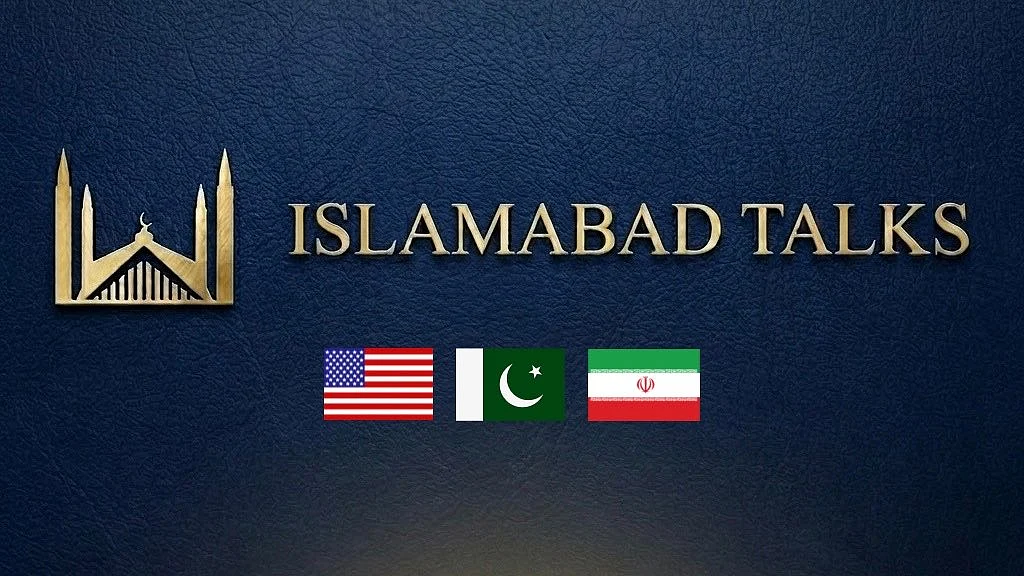


The United States and Iran are preparing to hold high-stakes ceasefire talks in Islamabad, amid deep mistrust, conflicting demands and mounting pressure to end the ongoing conflict.
According to reporting by The Washington Post, the two sides appear to have little in common beyond a shared need to find a way out of the war. In the lead-up to the negotiations, both Washington and Tehran have accused each other of bad faith.
US President Donald Trump has criticised Iran’s public proposals, describing them as misleading, and accused Tehran of obstructing shipping through the Strait of Hormuz. The key maritime passage, vital for global energy trade, has become a focal point in the dispute.
Iran, however, has laid down firm preconditions for talks. As reported by The New York Times, Iranian Parliament Speaker Mohammad Bagher Ghalibaf has insisted that issues such as the release of frozen and sanctioned assets must be addressed before meaningful negotiations can begin.
The US delegation is being led by Vice President J. D. Vance, who has expressed cautious optimism. He has indicated that the United States remains open to dialogue if Iran demonstrates genuine intent to negotiate.
Pakistan has positioned itself as a key intermediary in the process. According to The Wall Street Journal, Pakistani Prime Minister Shehbaz Sharif has described the talks as a “do-or-die” moment, underlining their potential impact on regional stability.
The talks are taking place against a backdrop of continued regional volatility. Despite a technical ceasefire, military operations involving Hezbollah and developments in Lebanon continue to complicate diplomatic efforts.
The Strait of Hormuz remains one of the most contentious issues. Iran has imposed controls requiring tankers to seek permission and has reportedly begun levying charges on vessels, measures US officials have described as illegal. The resulting disruption has driven up global oil prices and intensified economic concerns.
Major disagreements remain. Iran has rejected US demands to halt uranium enrichment and curb its missile programme, while Washington has signalled that any sanctions relief will depend on concrete concessions.
It remains unclear whether the discussions will be direct or mediated, with reports suggesting the two sides may negotiate separately. Much will depend on Vance’s ability to navigate the complex political landscape.
Pakistan’s role has also drawn attention. Despite its own economic and security challenges, Islamabad helped facilitate an earlier ceasefire and is seeking to leverage its ties with both Washington and Tehran to support the diplomatic process.
Fighting earlier this year had threatened global energy supplies before a fragile ceasefire was reached. However, uncertainty remains over whether the truce will hold, as both sides continue to test each other’s resolve.
With IANS inputs
Join our official telegram channel (@nationalherald) and stay updated with the latest headlines