


UAE reports second day of missile, drone attacks as Iran denies involvement
Rising tensions around Hormuz have intensified fears of renewed conflict between Iran and United States despite an existing ceasefire
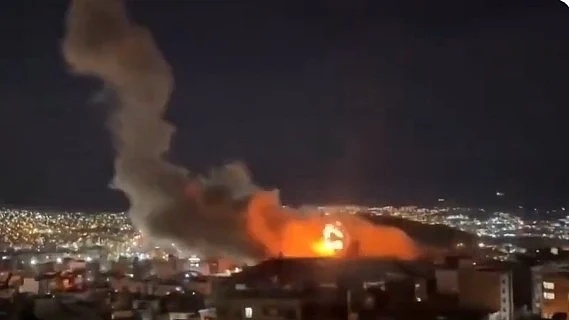


The United Arab Emirates said it came under missile and drone attack for the second consecutive day on Tuesday, as regional tensions escalated around the Strait of Hormuz, although Iran strongly denied responsibility for the strikes.
In a statement carried by Iranian media, the Islamic Revolutionary Guard Corps rejected claims that it had launched attacks against the UAE, the Al Jazeera reported.
“Iran’s forces have not carried out any missile or drone operations against the UAE in recent days,” the IRGC said, dismissing the allegations as “completely false”.
The UAE’s defence ministry said the latest assault followed attacks a day earlier in which at least three people were injured and a drone strike triggered a fire at a major oil facility in Fujairah.
Authorities did not immediately disclose the extent of damage or casualties resulting from Tuesday’s incident.
The renewed hostilities have heightened concerns over a possible return to open conflict between Iran and the United States after Washington launched a maritime security initiative known as “Project Freedom” to escort vessels through the Strait of Hormuz.
The strategic waterway carries around one-fifth of global energy exports and has become the centre of growing military tensions in recent weeks.
Iran has tightened its control over the strait following joint US-Israeli strikes on Iranian targets in February, targeting or threatening vessels attempting to pass without Tehran’s approval. The standoff has disrupted energy markets, driving oil and gas prices sharply higher worldwide.
In response, the US imposed a naval blockade on Iranian ports and shipping in April, restricting Iran’s oil exports and access to foreign trade.
Hours after the US escort operation began on Monday, Iranian forces reportedly fired missiles at US naval assets and commercial ships operating under the American flag. While US Central Command denied that any vessels had been struck, it confirmed that cruise missiles and drones had been launched towards American targets.
Al Jazeera reported that US forces said they intercepted incoming projectiles and destroyed several Iranian boats during the confrontation.
Earlier on Monday, the UAE said Iran launched 15 missiles towards the country, most of them ballistic, marking the first major incident since a ceasefire between Washington and Tehran came into effect nearly a month ago.
Emirati officials said all missiles were intercepted, although a fire broke out at the Fujairah oil facility, a strategically important export hub that allows the UAE to bypass the Strait of Hormuz through the Gulf of Oman.
The facility handles around 1.7 million barrels of oil per day, accounting for nearly half of the UAE’s export capacity.
Three Indian nationals were injured in the incident, prompting India to condemn the attack as “unacceptable”.
The UAE’s response to the attacks also reflects the complexity of its regional positioning, shaped by its strong strategic partnership with the United States and its increasingly delicate ties with Iran. While Abu Dhabi has expanded cooperation with Washington in defence, trade and advanced technology, it has also sought to preserve economic and diplomatic engagement with Tehran.
That balancing act has become more difficult as tensions rise across the Gulf and the Strait of Hormuz once again becomes central to regional security concerns.
The crisis also comes at a significant moment for the UAE’s energy strategy following its recent decision to leave OPEC and the wider OPEC+ alliance. The move gives Abu Dhabi greater freedom over oil production policy at a time when conflict-related disruptions and shipping risks are creating volatility in global energy markets.
Analysts say the shift underlines the UAE’s broader effort to maintain close security ties with the US, manage pragmatic relations with Iran and strengthen its position as a stable global energy hub.
Despite the exchange of fire, Washington maintained that the ceasefire had not been broken. US Defence Secretary Pete Hegseth said the naval escort mission was temporary and insisted American forces had not entered Iranian territory.
“We’re not looking for a fight,” Hegseth said.
Before the ceasefire agreement on 8 April, the UAE had reportedly been targeted by more than 2,800 missiles and drones during five weeks of conflict, making it one of the most heavily attacked countries in the region.
Join our official telegram channel (@nationalherald) and stay updated with the latest headlines