


UK condemns ‘all acts of violence’ in Bangladesh, calls for credible elections
UK must use its influence to stabilise Bangladesh and ensure the safety of Hindus, says Priti Patel
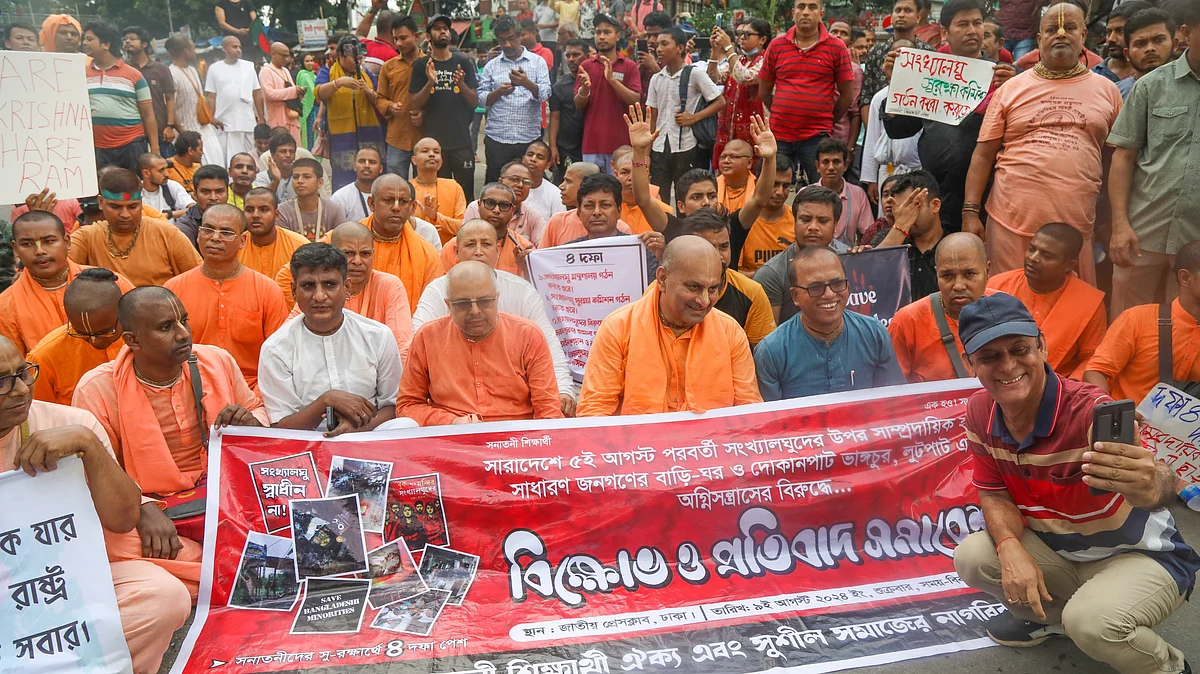


The UK government has condemned “all acts of violence” in Bangladesh and renewed its call for peaceful, inclusive and credible elections, as disturbing reports of killings and attacks against Hindus and other religious minorities reverberated through the House of Commons.
The issue was forcefully raised on Thursday by Conservative MP Bob Blackman, chair of the All-Party Parliamentary Group (APPG) for British Hindus, who urged the Labour government to intervene to protect vulnerable communities and ensure that elections scheduled for February are genuinely “free and fair”.
Addressing Parliament, Blackman said he was “horrified” by what he described as a “disastrous situation” unfolding in Bangladesh, marked by violence against minorities and the destruction of places of worship.
“Hindu men are being murdered on the streets, their houses are being burned, temples are being set ablaze, and other religious minorities are suffering similar fates,” he told MPs, painting a stark picture of fear and persecution.
Blackman also questioned the credibility of the forthcoming elections, noting that the Awami League, a major political force commanding an estimated 30 per cent support in opinion polls, has been barred from contesting. He further warned that Islamic extremists have called for a referendum that could fundamentally alter Bangladesh’s constitution.
Calling for urgent diplomatic engagement, Blackman asked leader of the House Alan Campbell to raise the matter with foreign secretary Yvette Cooper and to update Parliament on the steps being taken to promote inclusive elections and safeguard minority rights.
Responding on behalf of the government, Campbell said the UK was actively engaged with developments in Bangladesh and was supporting the interim administration in efforts to deliver peaceful and credible elections.
“We have a long-standing commitment to the promotion and protection of human rights,” Campbell said, adding that the UK continues to stress this message to Bangladesh’s interim government. “We condemn all acts of violence, whether religious or ethnic in nature, and we welcome the commitments of interim head of government Muhammad Yunus to ensure the safety of minorities, including where arrests are being made.”
Campbell assured Blackman that he would draw the Foreign Secretary’s attention to the concerns raised in Parliament and said the Foreign, Development and Commonwealth Office (FCDO) would consider issuing a formal statement at an “appropriate” time.
The parliamentary intervention follows a letter sent last week by shadow foreign secretary Priti Patel, who described the situation in Bangladesh as “very concerning” and called for stronger UK engagement amid what she said was a surge in violence.
“Religious freedoms must be protected,” Patel said. “The murders of Hindus and the persecution taking place are wrong and must stop. The UK government must use its influence to help bring stability to Bangladesh and secure a future where Hindus are safe.”
Outside Parliament, concern has spilled onto the streets of London. British Hindu organisations, led by the Bengali Hindu Adarsha Sangha (BHAS) UK, have coordinated protests condemning attacks on minorities. Demonstrators have decried what they described as the unjust arrest of interfaith leader Chinmaya Prabhu, the public lynching of Dipu Das, and a series of other violent incidents reported from Dhaka — amplifying international calls for accountability, protection and peace.
With PTI inputs
Join our official telegram channel (@nationalherald) and stay updated with the latest headlines