


UK facial recognition rollout linked to Israeli tech used in Gaza
Rights groups raise alarm after Home Office suppliers tied to surveillance deployed in conflict zone
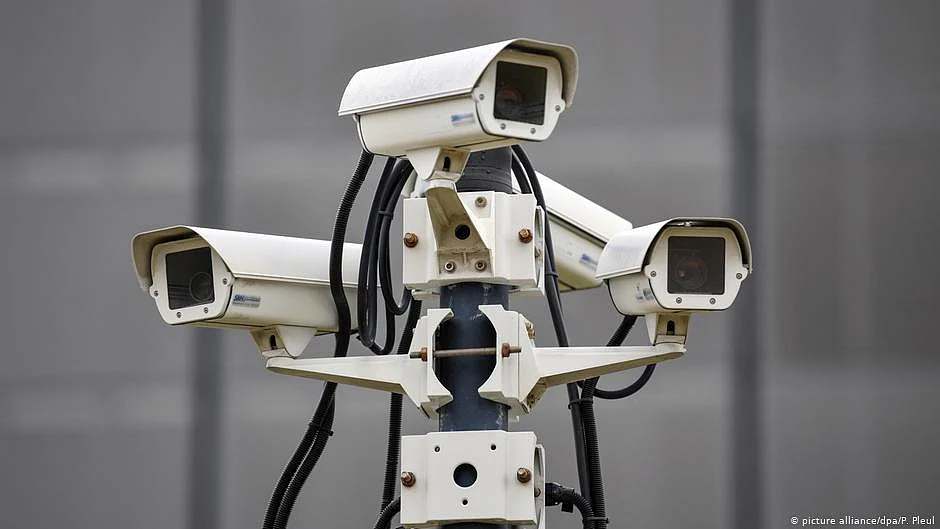


The United Kingdom’s planned expansion of facial recognition technology for policing has drawn criticism from human rights groups after it emerged that the software involved appears to have been used by Israeli forces in Gaza.
Home secretary Shabana Mahmood announced this week that police forces across the UK would significantly increase their use of live facial recognition for surveillance and identification purposes, Al Jazeera reported. Enquiries to Blue Light Commercial, the Home Office’s procurement body, confirmed that Israeli firm Corsight AI has been subcontracted by UK-based technology company Digital Barriers to provide artificial intelligence-driven facial recognition software.
Under the proposals, the existing fleet of 10 live facial recognition vans will be expanded to more than 50, to be deployed nationwide to identify individuals on police watchlists. Campaigners have warned that the move risks undermining civil liberties, while questions have also been raised over the accuracy and ethical use of the technology.
Digital Barriers said in April that it and Corsight had been selected as one of three approved suppliers following a six-month police trial in Essex, as part of a rollout valued at around £20 million. However, concerns have intensified amid reports that Corsight’s technology has previously been deployed in Gaza by Israeli military intelligence.
In March 2024, the New York Times reported that facial recognition systems linked to Corsight were being used by Israel’s cyber-intelligence unit, Unit 8200, at checkpoints in Gaza. The report said the technology had been used to track and detain Palestinians, with Israeli officials later voicing doubts about its reliability after hundreds of wrongful arrests.
Israel has faced repeated criticism for its use of artificial intelligence in Gaza, including for surveillance and the identification of bombing targets. Human rights organisations have accused Israeli authorities of employing such technologies in ways that violate international law.
Corsight’s leadership has also come under scrutiny. Publicly available information shows its board includes former Israeli intelligence and security officials, among them a retired major-general associated with a military plan that reportedly imposed severe conditions on northern Gaza last year.
The UK government has publicly criticised Israel’s conduct in Gaza and condemned conditions imposed during the conflict at the United Nations. Former foreign secretary David Lammy previously described the situation in northern Gaza as “dire” and called for humanitarian aid to be allowed in.
Responding to Corsight’s involvement in the UK policing programme, Amnesty International UK said the government was failing to meet its legal obligations. “The UK must stop investing in companies that contribute to serious human rights abuses, including those supplying surveillance and policing technology,” said Kristyan Benedict, Amnesty’s UK crisis response manager.
Human Rights Watch also criticised the broader expansion of facial recognition in UK policing. Anna Bacciarelli, the organisation’s senior AI researcher, said the technology amounted to “mass surveillance” that threatened privacy, non-discrimination and freedom of expression. She added that surveillance tools used in law enforcement are often developed in conflict zones and called on the UK to conduct rigorous human rights checks before awarding contracts.
Al Jazeera has asked the Home Office what due diligence was carried out in selecting companies for the programme but has yet to receive a response. A Home Office spokesperson declined to comment on what were described as “operational matters”. Requests for comment from Corsight and Digital Barriers have also gone unanswered.
Join our official telegram channel (@nationalherald) and stay updated with the latest headlines