


Unnamed NATO intelligence suspects Russian plan to counter Starlink with anti-satellite weapon
Findings have their backers and critics alike as they don't name the intelligence services or the governments they report to
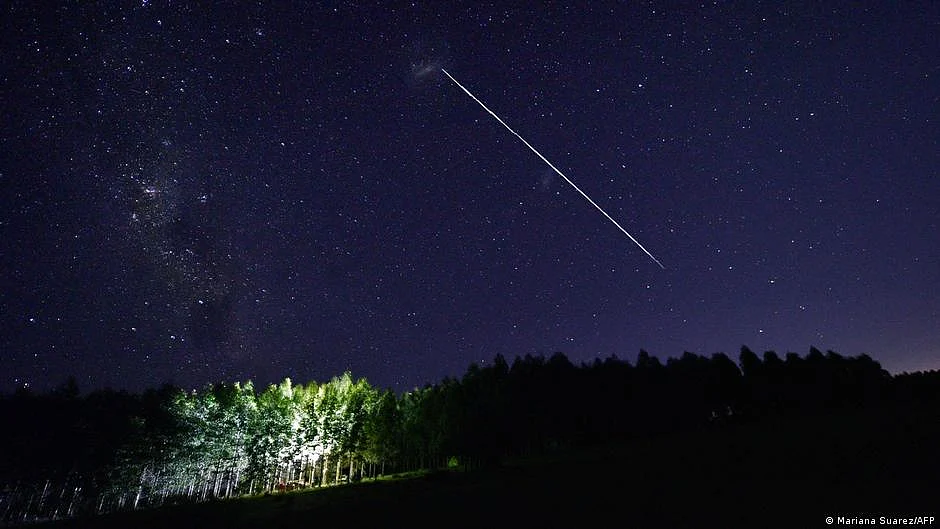


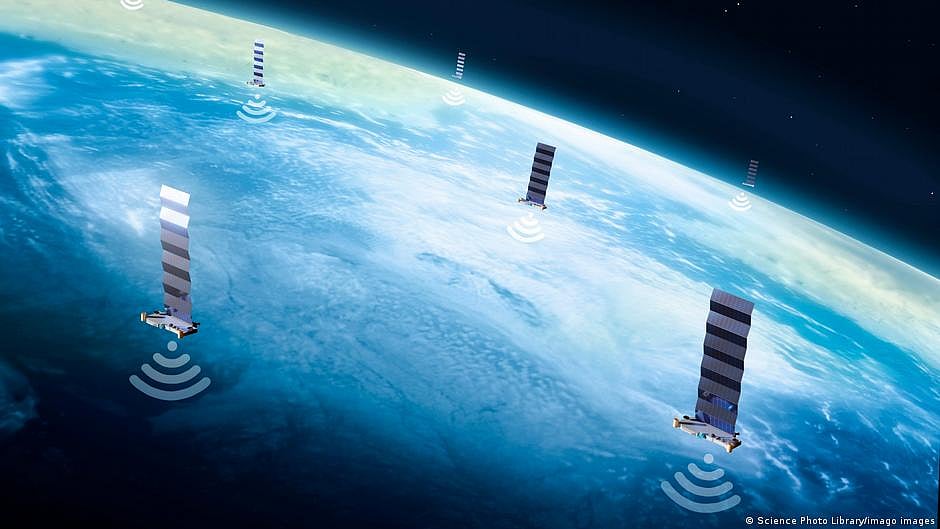
Two unnamed intelligence services from NATO (North Atlantic Treaty Organisation) member countries suspect that Russia is developing a new anti-satellite weapon aimed at Starlink, the satellite internet constellation operated by Elon Musk’s SpaceX, according to intelligence findings cited by AP (The Associated Press).
The findings have their backers and critics alike as they don't name the intelligence services or the governments they report to.
The findings indicate that the proposed system — described as a “zone-effect” weapon — would seek to undermine Western space capabilities that have played a key role in supporting Ukraine during Russia’s ongoing war.
What the suspected system would do
According to the intelligence assessments seen by AP, the weapon would not rely on a single intercept strike but on dispersing debris across orbital zones:
Release hundreds of thousands of high-density pellets, possibly from formations of small satellites yet to be launched
Create destructive clouds of shrapnel capable of disabling or damaging multiple satellites simultaneously
Target low-Earth orbits heavily used by Starlink, while risking collateral damage to other space systems
The intelligence could not be independently verified, and the services involved were not identified.
Analysts express scepticism
Several space security analysts who have not seen the intelligence findings questioned whether such a weapon would be practical or strategically viable. They argued that any system generating widespread orbital debris would pose serious risks to all space-faring nations, including Russia and its ally China.
Victoria Samson, a space security specialist at the Secure World Foundation, said she would be surprised if Russia deployed such a weapon, noting that it could trigger uncontrollable chaos in orbit and damage satellites essential for communications, defence and economic activity.
However, Canadian military officials said the possibility could not be dismissed outright. Brig. Gen. Christopher Horner, commander of the Canadian military’s Space Division, said that if earlier US allegations about Russia exploring nuclear space-based weapons were accurate, then development of a less extreme but still disruptive system was plausible.
The Kremlin did not respond to AP’s request for comment. Russia has previously called for international action to prevent the weaponisation of space, and President Vladimir Putin has said Moscow does not intend to deploy nuclear weapons in orbit.
Why Starlink is seen as a target
The intelligence findings suggest Russia views Starlink as a major strategic challenge because of its extensive use by Ukraine:
High-speed satellite internet supports battlefield communications and targeting
Civilian and government communications rely on Starlink when infrastructure is damaged
Thousands of low-orbit satellites make Starlink difficult to disrupt with conventional means
Russian officials have previously warned that commercial satellites used for military purposes could be considered legitimate targets. Earlier this month, Moscow said it had deployed the S-500 missile system, which it claims is capable of striking low-orbit objects.
Unlike Russia’s 2021 test that destroyed a defunct Cold War-era satellite with a missile, the pellet-based system would be designed to affect multiple satellites simultaneously.
Risks of orbital fallout
Experts warned that such an approach could have far-reaching consequences beyond Starlink:
Debris could spread rapidly and threaten all satellites in similar orbital regimes
The International Space Station and China’s Tiangong space station, which operate at lower orbits, could face increased risk
Tiny pellets, potentially just millimetres in size, could evade detection and complicate attribution
Clayton Swope, a space security analyst at the Center for Strategic and International Studies, said that even small debris could seriously damage satellites, particularly vulnerable components such as solar panels.
The intelligence findings did not specify when Russia might be able to deploy such a system or whether it has been tested. An official familiar with the intelligence told AP that the work was believed to be ongoing and that details about timelines were sensitive.
Analysts said the concept may remain experimental or function as a deterrent, given the likelihood that deploying such a weapon would also cripple Russia’s own space capabilities.
With inputs from PTI/AP
Join our official telegram channel (@nationalherald) and stay updated with the latest headlines