


US, allies draft resolution to refer Iran to UNSC over nuclear 'noncompliance'
Move follows growing standoff, with IAEA inspectors unable to verify Iran’s nuclear stockpile since US-Israeli strikes in June 2025
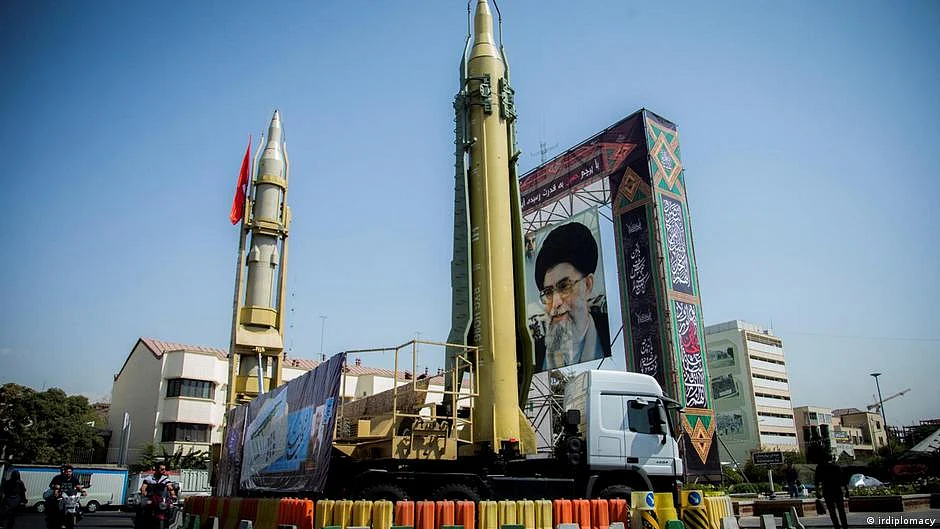


The United States, Britain, France and Germany have drafted a resolution that could refer Iran to the UN Security Council for failing to comply with its nuclear nonproliferation obligations, diplomats said.
Under those obligations, which are part of the Nuclear Non-Proliferation Treaty, Iran is legally bound to declare all nuclear material and activities and allow inspectors from the Vienna-based International Atomic Energy Agency (IAEA) to verify that none is being diverted from peaceful uses.
The diplomatic move has been under consideration since June 2025, when the IAEA Board of Governors formally found Iran in noncompliance with its nonproliferation obligations for the first time in 20 years — a day before the US and Israel launched attacks on Iranian nuclear sites.
A referral to the UN Security Council would shift responsibility to a higher authority capable of imposing further legally binding measures, including sanctions or asset freezes.
However, specific punitive measures by the UN are unlikely in this case, as Iran’s allies Russia and China hold veto power on the Security Council.
The draft resolution, seen by The Associated Press and reported earlier by Reuters, asks IAEA Director General Rafael Grossi "to transmit this resolution and the previously adopted resolutions … to all Members of the Agency and to the Security Council and the General Assembly of the United Nations, in accordance with the relevant provisions of the IAEA Statute."
It also "stresses its support for a diplomatic solution to the challenges posed by the Iranian nuclear programme and its implications for regional peace and stability leading to an agreement that addresses all international concerns related to Iran's nuclear activities, and encourages all parties to constructively engage in diplomacy."
Diplomats said the resolution remains under negotiation and has not yet been formally submitted to the board. The draft could therefore still change, with board members able to propose amendments.
Once formally submitted, it is expected to be put to a vote at next week’s IAEA Board of Governors meeting in Vienna.
A senior Western diplomat said the move to refer Iran to the Security Council had been delayed to allow a final diplomatic push. The diplomat, who was not authorised to speak publicly about the sensitive matter, spoke on condition of anonymity.
The IAEA board now has to follow its mandate and act because Iran has not only failed to cooperate, but communication has also broken down, the official said.
Since Israel and the US struck Iranian nuclear sites during the 12-day war in June 2025, Tehran has denied IAEA inspectors access to sites affected by the attacks, despite its legal obligation to cooperate with the watchdog under the Nuclear Non-Proliferation Treaty.
Also Read: Who can(not) have a nuclear weapon
The agency has also been unable to verify the status of Iran’s stockpile of uranium enriched to near weapons-grade levels since the June 2025 strikes. The task has been made more difficult by more than six months of war that the US and Israel launched against Iran on 28 February, including strikes carried out by both Washington and Tehran this week.
In a confidential report issued on Tuesday and seen by the AP, the IAEA warned that Iran’s continued refusal to allow inspectors access to its nuclear sites and verify its nuclear material constituted a "proliferation risk" that needed to be "addressed with the utmost urgency."
According to the IAEA, Iran has a stockpile of 440.9 kilograms (972 pounds) of uranium enriched to up to 60% purity — a short technical step from the 90% enrichment level considered weapons-grade.
The stockpile could enable Iran to produce as many as 10 nuclear bombs if it chose to weaponise its programme, IAEA chief Grossi said in an interview with the AP last year. He stressed that this did not mean Iran possesses such a weapon.
The IAEA also said in Tuesday’s confidential report that there had been no progress in its long-running investigation into uranium traces detected by inspectors at several undeclared sites in Iran.
Western officials suspect the traces could provide further evidence that Iran operated a secret nuclear weapons programme until 2003.
Iran maintains that it is not pursuing nuclear weapons and that its nuclear programme is entirely peaceful.
With AP/PTI inputs
Join our official telegram channel (@nationalherald) and stay updated with the latest headlines