


US Congress clears Trump’s 100 pc tariff Bill targeting India, China
A Bill targeting Russian energy buyers, including India, now heads to President Trump for his signature
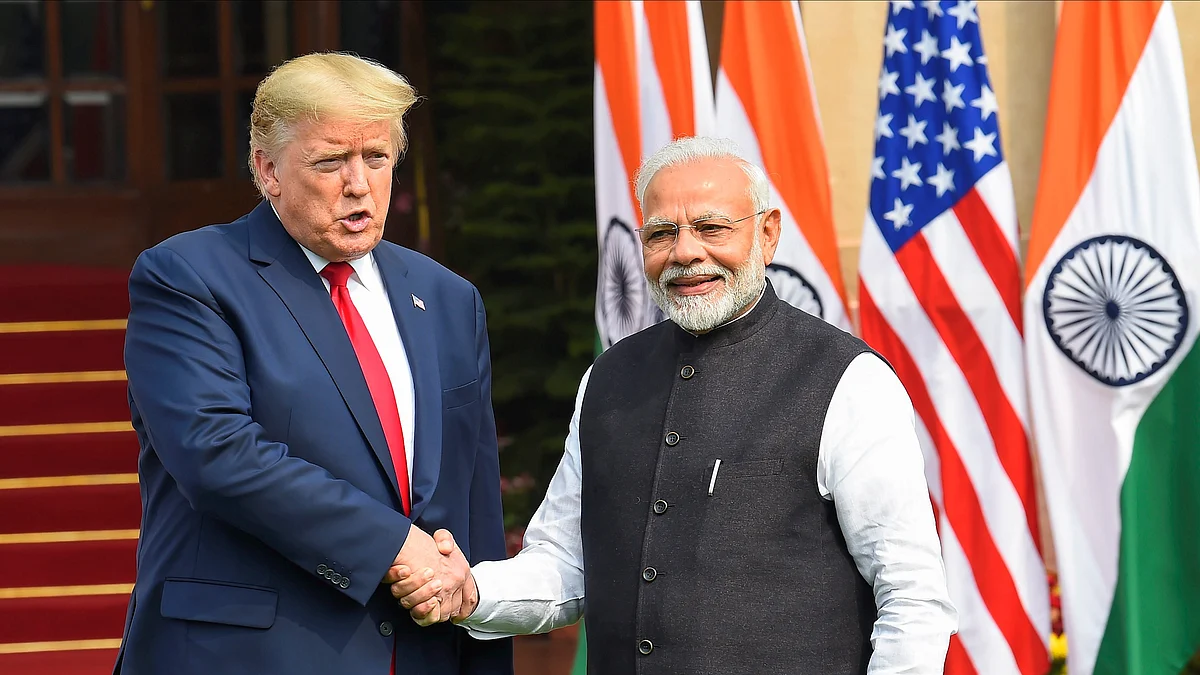


The US House of Representatives on Wednesday passed legislation targeting Russia’s energy sector, political figures and “shadow fleet” of tankers, while authorising President Donald Trump to impose tariffs of up to 100 per cent on countries purchasing Russian oil and gas.
The House voted 262-159 in favour of the Lindsey O. Graham Sanctioning Russia and Iran Act of 2026. The legislation, which was approved by the Senate in an 86-11 vote on 7 August, will now be sent to Trump for his signature.
The measure could expose India to significant additional US tariffs at a time when New Delhi and Washington are negotiating a preliminary trade agreement. India has also increased its purchases of Russian oil compared with last year.
Under the legislation, tariffs of up to 100 per cent may be imposed on countries that rank among the five largest importers of Russian-origin crude oil or natural gas by volume during the 12 months preceding the law’s enactment.
To face the tariffs, these countries must also have knowingly made fresh purchases of Russian crude more than 30 days after the legislation becomes law. Countries identified as being among the five largest facilitators of Russian oil sanctions evasion could also be targeted.
The President would, however, have the authority to waive the sanctions when considered to be in the US national interest.
Countries that have taken significant steps to reduce their imports of Russian natural gas could be exempted. The exemption would also apply where a country’s purchases account for less than 15 per cent of Russia’s total gas exports.
A proposed amendment by Democratic Congressman Steny Hoyer that sought to explicitly identify 10 potential tariff targets did not form part of the final version considered by the House. The proposed list included China, India, Turkiye, Azerbaijan, Hungary, Slovakia, the United Arab Emirates, Singapore, Kazakhstan and the Kyrgyz Republic. The House Rules Committee had rejected the amendment by a 3-7 vote. The committee’s official record also shows that amendments seeking to remove or restrict the secondary tariff powers were defeated.
India’s imports of Russian oil reached an 11-month high in April 2026 following the US-Israel conflict with Iran. The increase came after purchases had fallen to a 38-month low in December 2025.
The Trump administration had earlier imposed an additional 25 per cent tariff on India over its purchases of Russian energy, taking the total tariff to 50 per cent. The US Treasury subsequently paused sanctions on oil shipments already in transit before 11 March 2026, after supplies were disrupted by the conflict with Iran.
The latest legislation aims to increase economic pressure on Moscow over its war in Ukraine. It targets Russia’s energy sector, members of its political establishment and the network of vessels allegedly used to circumvent restrictions on oil exports. The measure also extends existing sanctions linked to Iran.
The Bill is named after Lindsey Graham, a prominent supporter of Ukraine who died suddenly on 11 July.
Its passage has, however, raised concerns among lawmakers who argue that it grants the president excessive authority to impose tariffs, including on US allies.
Several prominent senators, including Democrats Elizabeth Warren and Bernie Sanders, who caucuses with the party, as well as Republican Rand Paul, opposed the measure during the Senate vote. Their concerns centred on the broad powers granted to the President and the potential cost of the tariffs for American consumers.
Gregory Meeks, the senior Democrat on the House Foreign Affairs Committee, also opposed the legislation, although he said he supported sanctions against Russia.
“We cannot grant the President more tariff power that, we know, he will abuse,” Meeks said. He estimated that the measure could cost an American family at least $3,000 if the tariffs were restricted to the five largest importers of Russian oil.
Meeks argued that Trump already possessed powers to impose additional sanctions on Russia but had not fully exercised them.
With agency inputs
Join our official telegram channel (@nationalherald) and stay updated with the latest headlines