


US court blocks Trump’s latest bid to restrict birthright citizenship
Ruling follows Supreme Court’s June decision against Trump’s earlier citizenship restrictions
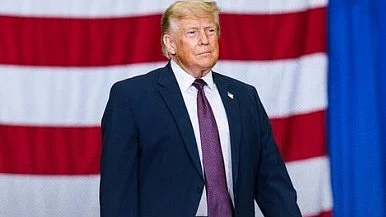


A federal court in Washington blocks Trump’s latest attempt to restrict birthright citizenship, rejecting new exceptions proposed by his administration
The 6 August executive order targeted US-born children of certain foreign-government employees, those classified as "alien enemies" and parents involved in paid surrogacy arrangements
The ruling follows the Supreme Court’s June decision against Trump’s earlier citizenship restrictions
A federal court in Washington has blocked US President Donald Trump’s latest attempt to restrict birthright citizenship, rejecting his administration’s efforts to introduce additional exceptions to the constitutional guarantee.
The ruling in Nathan v. Trump concerns an executive order signed by Trump on 6 August, targeting further categories of children born in the United States. It comes after the Supreme Court rejected his earlier attempt to restrict birthright citizenship in June.
The American Civil Liberties Union (ACLU), which brought the latest challenge on behalf of affected families, said the court had rejected the administration’s attempt to create new exceptions to the constitutional protection.
"The president cannot carve out new exceptions to birthright citizenship for children born within the United States and subject to its laws," the court said on Wednesday (local time).
Trump’s 6 August order directed federal agencies to withhold recognition of citizenship from certain US-born children if neither parent was an American citizen.
The order covered children whose parents were classified as "alien enemies" under the administration’s definition, certain foreign-government employees and parents involved in commercial arrangements to secure US citizenship through childbirth. It explicitly included paid surrogacy arrangements.
The provisions concerning foreign-government employees extended beyond ambassadors to cover specified embassy and consular staff, as well as other employees performing official duties.
The administration had argued that these categories fell outside the scope of birthright citizenship protections recognised by the Supreme Court. The White House maintained that the restrictions were consistent with historical exceptions to the constitutional guarantee.
Trump also signed a separate executive order directing officials to curb travel to the United States for the purpose of securing citizenship through childbirth.
The ACLU and its partner organisations filed the Washington lawsuit on 28 September after initially seeking to challenge the August restrictions through the earlier birthright citizenship case.
The organisations involved include the Asian Law Caucus, the NAACP Legal Defense and Educational Fund and the Democracy Defenders Fund, along with national and regional ACLU affiliates.
Wednesday’s ruling addresses the latest restrictions and follows the Supreme Court’s June decision protecting children who would otherwise have been denied citizenship under Trump’s first executive order, according to the ACLU.
With IANS inputs
Join our official telegram channel (@nationalherald) and stay updated with the latest headlines