


US, Iran agree to Doha talks as Hormuz tensions dominate regional crisis
Iranian foreign minister Abbas Araghchi says security and management of Strait of Hormuz rest solely with Tehran
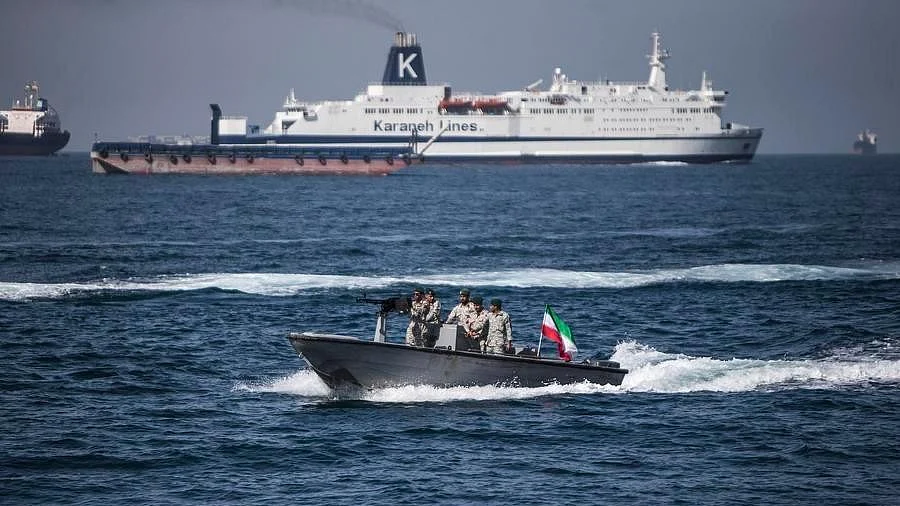


The United States and Iran are set to hold high-stakes talks in Doha on Tuesday after both sides agreed to halt attacks temporarily, according to an Axios report.
The meeting, hosted in the Qatari capital, is expected to focus on easing tensions over the strategically vital Strait of Hormuz, a key artery for global energy supplies.
Iranian foreign minister Abbas Araghchi asserted that responsibility for the security and management of the Strait of Hormuz rests solely with Tehran. He cautioned that any attempt to circumvent what Iran considers the established maritime framework could trigger fresh tensions and further destabilise the region.
The diplomatic developments come amid growing unrest across the West Asia. In Lebanon, Parliament speaker Nabih Berri rejected a proposed framework agreement with Israel, declaring that it would neither be accepted nor implemented unless it fully safeguards Lebanon's rights.
According to reports by The Wall Street Journal, The New York Times and The Washington Post, officials from both countries indicated on Sunday that technical-level talks would continue despite days of retaliatory strikes that had heightened fears of a wider regional conflict.
A US official, cited by The New York Times and The Washington Post, said Washington and Tehran had agreed to suspend attacks in and around the Strait of Hormuz, allowing commercial shipping to resume.
"Both sides will stand down for now, and vessels can move freely," the official was quoted as saying by The Washington Post.
The United States accused Iran of orchestrating the attacks and responded with strikes targeting Iranian military infrastructure. Tehran, in turn, launched missile and drone attacks against US military installations in Bahrain and Kuwait, although US officials said the projectiles were either intercepted or failed to reach their intended targets.
Despite the apparent diplomatic breakthrough, deep differences persist over the future governance and security of the Strait of Hormuz, leaving a lasting resolution uncertain.
With agency inputs
Join our official telegram channel (@nationalherald) and stay updated with the latest headlines