


US-Iran near agreement on ending war, mediators finalising deal: Pak PM Sharif
Pakistan says final text has been agreed, with key issues including Iran’s nuclear programme and Hormuz access under discussion
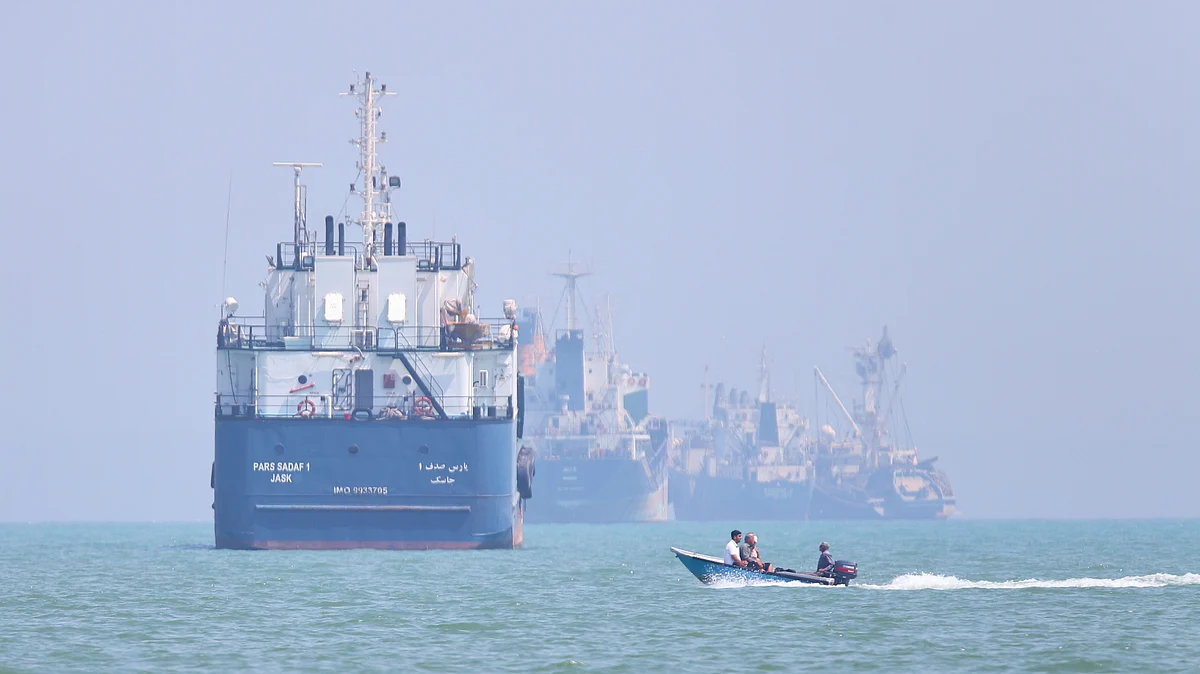


Pakistan Prime Minister Shehbaz Sharif said on Friday that the United States and Iran had agreed on the wording of a deal aimed at ending the conflict in West Asia, with mediators now working to finalise the agreement.
Sharif said Washington and Tehran had settled on a “final, agreed-upon text”, adding that Pakistan, which has played a central role in mediation efforts, was coordinating with both sides on the next steps. “Peace has never been this close as it is now,” Sharif wrote in a post on X.
The reported breakthrough follows several days of military exchanges involving Iran, the United States and Israel this week, raising fears of a wider regional conflict.
Iranian foreign minister Abbas Araghchi echoed the optimism, saying in a post on X that an agreement had “never been closer”. US President Donald Trump, who has repeatedly suggested in recent weeks that a deal was within reach, reposted Araghchi’s remarks on his own social media platform.
The war, launched by the United States and Israel on 28 February, has destabilised the region and severely disrupted oil and natural gas exports from the Persian Gulf. Although a fragile ceasefire has been in place since 7 April, tensions have remained high.
Also Read: Who can(not) have a nuclear weapon
Nuclear issues to be settled after ceasefire deal
Speaking to Iranian state television, Araghchi said both sides were working towards an initial agreement that would formally end the war “on all fronts, including Lebanon”.
Israel has been engaged in hostilities with the Iran-backed Hezbollah movement in Lebanon since early March. However, Israel is not a participant in the US-Iran negotiations and has indicated it has no plans to withdraw its forces from Lebanon.
Araghchi said detailed provisions concerning Iran’s nuclear programme would be negotiated within 60 days of signing the initial agreement, although that timeline could be extended if necessary.
Iran’s nuclear activities remain one of the most contentious issues in the talks. The United States and Israel argue that Tehran’s programme could eventually produce a nuclear weapon, while Iran insists its activities are entirely peaceful.
A senior US administration official, speaking on condition of anonymity, said the emerging agreement would initiate a process to remove or destroy Iran’s stockpile of highly enriched uranium.
According to the official, the 60-day period following the signing would be used to resolve technical questions surrounding the removal of the material. The official did not specify who would oversee the operation, noting that much of the enriched uranium is believed to be buried beneath three nuclear facilities previously targeted by US strikes.
Another major issue is the Strait of Hormuz, a critical route for global oil and gas shipments. Iran’s effective closure of the waterway during the conflict has disrupted energy supplies, driven up fuel costs and contributed to higher prices globally.
The US official said the draft agreement contains provisions to reopen the strait.
Araghchi said Tehran wanted any arrangement to allow Iran to levy charges on vessels passing through the Strait of Hormuz for what he described as “services rendered”. Iran introduced a toll system during the conflict, a move criticised by the United States and several other countries as a violation of international law. “There will be costs involved,” Araghchi said. “And those costs must be paid.”
Late on Friday, US Central Command said it had intercepted several Iranian drones that were targeting commercial shipping in the Strait of Hormuz.
Sanctions relief and asset release under discussion
Three regional officials familiar with the negotiations said the proposed agreement is also expected to include a phased easing of sanctions on Iran and the release of frozen Iranian assets.
The officials, who spoke anonymously because of the sensitivity of the talks, said a formal signing ceremony could take place within days, provided the agreement receives final approval in both Washington and Tehran.
Trump claimed on Thursday that significant progress had been made in negotiations, despite earlier threatening to intensify military action and target Iran’s oil sector.
Israeli Prime Minister Benjamin Netanyahu reiterated on Friday that Israel is not a party to the negotiations. In a statement, he said he and Trump remained in “full agreement” that Iran must not acquire nuclear weapons.
Israeli defence minister Israel Katz separately said Israel expected the US to safeguard core Israeli interests, including efforts to weaken Iran’s missile capabilities and regional proxy network.
Katz also warned that Israel reserved the right to act independently against Iran. He said Israeli forces would remain in areas currently occupied in Lebanon, Syria and Gaza, and would not withdraw from refugee camps in the northern part of the Israeli-occupied West Bank.
According to the regional officials, the negotiations have been largely facilitated by Pakistan under the leadership of army chief Field Marshal Asim Munir, with support from Saudi Arabia, Turkey, Egypt and Qatar.
With AP/PTI inputs
Join our official telegram channel (@nationalherald) and stay updated with the latest headlines