


US move to seize Iran’s uranium would be complex, high-risk operation: Experts
Ground operation could require 1,000 troops; radiation hazards and dispersed stockpiles complicate mission
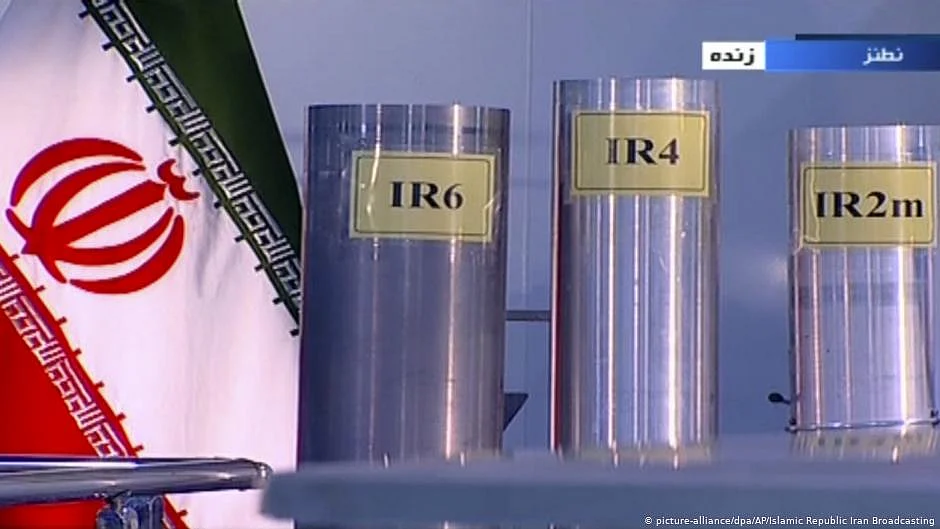


Any attempt by the United States to secure Iran’s enriched uranium stockpile through military force would be a complex, high-risk and prolonged operation involving significant logistical, technical and safety challenges, according to experts and former officials.
The assessment comes amid reports that Donald Trump is considering options to prevent Iran from developing nuclear weapons, including potentially seizing nuclear material.
Scale and location of uranium stockpile
According to the International Atomic Energy Agency (IAEA), Iran possesses about 440.9 kg of uranium enriched up to 60 per cent purity, which is close to weapons-grade levels.
IAEA Director General Rafael Grossi has said this stockpile could theoretically allow Iran to produce up to 10 nuclear bombs if weaponised, though Tehran maintains its programme is peaceful.
The uranium is believed to be stored across multiple locations, including underground tunnels near Isfahan, as well as facilities at Natanz and Fordo, complicating any recovery effort.
Experts said the uranium is stored in canisters containing uranium hexafluoride gas, which poses significant hazards if damaged.
David Albright, a former nuclear weapons inspector, said any breach could release toxic fluorine gas, which is corrosive to skin, eyes and lungs.
He added that personnel retrieving the material would need specialised protective gear and must maintain safe distances between canisters to avoid a nuclear reaction that could release dangerous radiation.
Military challenges
Christine Wormuth, former US Army secretary, said a ground operation would likely require around 1,000 troops and could involve casualties.
She said forces would need to secure multiple sites, clear debris from tunnel entrances and deploy heavy equipment, possibly requiring helicopters and even temporary airstrips.
Specialised units, including nuclear response teams, would need to work alongside combat forces to locate and safely transport the material.
Experts said a negotiated agreement with Iran would be a safer and more practical option.
Scott Roecker, a former US official involved in nuclear material removal, cited past operations such as the 1994 removal of uranium from Kazakhstan as an example of how such missions can be conducted without conflict.
Under a diplomatic arrangement, technical teams could remove and “downblend” the uranium—reducing its enrichment level for civilian use—outside Iran.
Uncertain path ahead
While the US has indicated it has intelligence on the location of Iran’s stockpiles, the absence of recent inspections has increased uncertainty.
IAEA officials have said inspections cannot resume under active conflict conditions.
Experts said any decision to pursue military action would carry significant operational risks and geopolitical consequences, particularly given Iran’s likely resistance and the complexity of securing nuclear material in a war zone.
Join our official telegram channel (@nationalherald) and stay updated with the latest headlines